


How Virtual Try-On Works
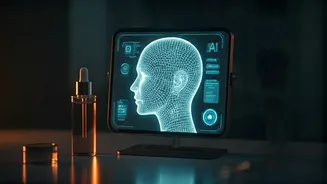
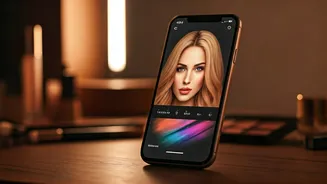
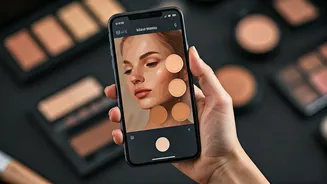
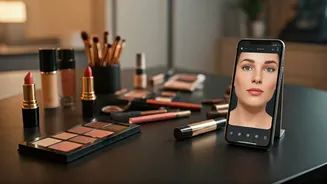
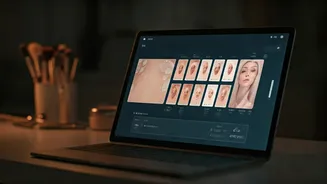
At its heart, virtual try-on technology for beauty uses augmented reality (AR) and artificial intelligence (AI) to let you see what a product will look like on your face. Using your phone or computer's camera, the software maps your key facial features—like
your lips, eyes, and cheekbones—in real time. It then overlays a digital rendering of a product, such as a lipstick or eyeshadow, onto your face, mimicking its colour and finish. Leading brands in India like Lakmé, Maybelline, and L'Oréal, available on platforms such as Myntra and Nykaa, have integrated this technology, allowing you to swipe through dozens of shades in seconds from your couch.
The Promise of a Perfect Match
The primary benefit of VTO is confidence. The ability to “try before you buy” online dramatically reduces the guesswork that leads to purchase regret. For consumers, it’s a fun, hygienic, and convenient way to experiment with bold new colours or find the perfect foundation shade without ever leaving home. For brands, the upsides are even bigger. Studies and brand reports show that VTO can significantly increase conversion rates—in some cases by up to 90%—and boost engagement. Customers who use the tool are more likely to buy, and they often spend more time on the site exploring different products.
More Than Just a Pretty Filter
Beyond boosting sales, VTO technology addresses a major issue for both consumers and the planet: waste. The beauty industry has long struggled with the environmental impact of product returns and discarded samples. By helping customers make more accurate choices the first time, virtual try-ons can drastically cut down on returns—by as much as 64% according to some reports. This means fewer products ending up in landfills, less packaging waste from shipping returns, and a smaller carbon footprint overall. It also saves brands money on processing those returns and managing physical testers in stores.
Not Quite a Flawless Finish
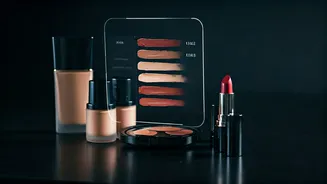
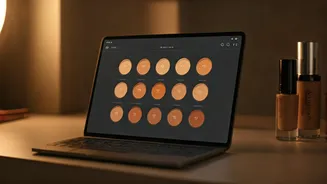
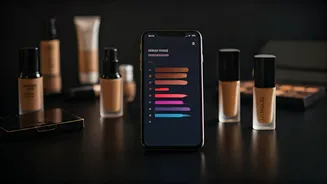
Despite its advancements, the technology isn’t perfect. The biggest challenge is accuracy, which can be affected by several factors. The quality of your device’s camera, the lighting in your room, and your screen's colour calibration can all alter how a shade appears. This is especially tricky for complexion products like foundation, where an exact match is crucial. What looks like a perfect match under a digital filter can look different in real life. Furthermore, a virtual application can't replicate the texture, weight, or feel of a product on your skin—key factors in whether you’ll enjoy using it.
The Future of Beauty Shopping
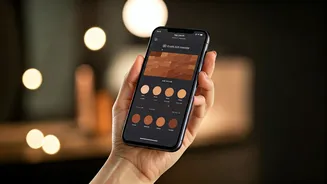
Virtual try-on is rapidly moving from a novelty to a standard feature in online beauty retail. The technology is constantly improving, with AI algorithms becoming smarter at recommending personalized products based on your skin tone, undertones, and even your past preferences. Some platforms are already introducing features that let you try on complete, curated makeup looks. While it may never fully replace the experience of physically testing a product, VTO is becoming an indispensable tool for discovery and decision-making. It empowers consumers to explore with confidence and pushes the beauty industry toward a more personalized, sustainable, and efficient future.