



The Science of Gentle Heat
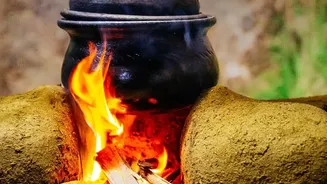
Unlike modern metal cookware that heats up quickly and can create hotspots, clay pots work on a different principle: slow, even heat distribution. Clay is naturally porous, a quality that fundamentally changes how it interacts with heat and food. When
placed on a stove, a clay pot heats up gradually and radiates that warmth consistently from all sides, not just the bottom. This gentle and uniform heat means food cooks evenly, reducing the risk of burning or scorching. This process allows ingredients to release their flavours gradually instead of being shocked by aggressive, high temperatures.
Reducing Fuel, One Meal at a Time
The exceptional heat retention of clay is the key to its energy efficiency. Once an earthen pot is hot, it stays hot for a long time, even after the flame has been turned down or switched off entirely. This means you can cook meals using significantly less energy. The stored heat continues to cook the food, a process sometimes called 'passive cooking'. Because of this, you can often finish a dish on residual heat, saving gas or electricity with every meal. Some estimates suggest that clay cookware can be far more energy-efficient than its metal counterparts, making it a genuinely eco-friendly choice for the modern kitchen.
Unlocking Deeper, Earthier Flavours
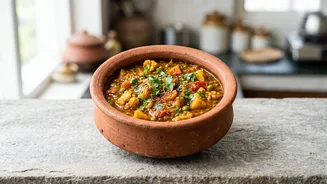
The second major benefit of earthenware is its remarkable ability to enhance the taste of food. The porous nature of clay allows steam and moisture to circulate within the pot during cooking. This creates a self-basting effect, keeping dishes incredibly moist and tender without becoming watery. Furthermore, clay is alkaline in nature. This property helps to neutralize the pH of acidic ingredients like tomatoes, which can mellow their sharpness and bring out their inherent sweetness. This gentle cooking process allows spices to meld together harmoniously, creating a depth of flavour that is difficult to achieve with faster cooking methods. Many users report a subtle, earthy aroma that the pot imparts, adding a unique and desirable layer to traditional dishes.
A Connection to Culinary Heritage
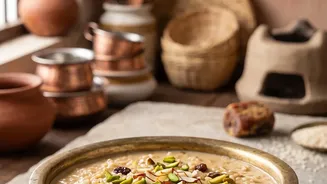
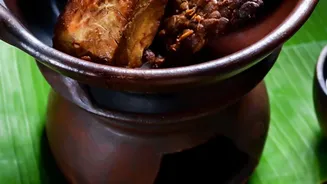
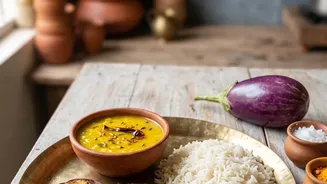
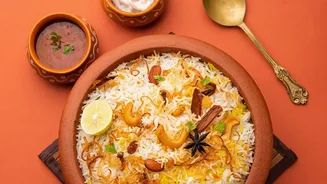
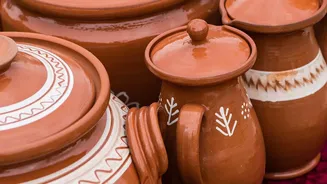
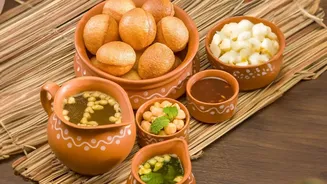
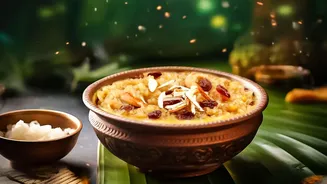
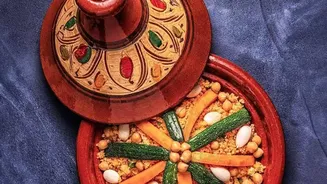
Using earthenware is about more than just physics; it's a connection to a rich culinary history that spans millennia. Across India, vessels like the 'handi' or 'chatti' have been central to preparing iconic dishes, from slow-cooked biryanis and dals to rich curries. The flavours we associate with authentic, traditional Indian food were often developed through the very process of slow cooking in clay. Tandoors, the famous clay ovens, rely on the same principles of high heat retention to produce perfectly charred yet succulent meats and breads. By cooking in clay, we are not just making a meal; we are participating in a timeless ritual that has nourished families for generations.
Getting Started with Your Own Clay Pot
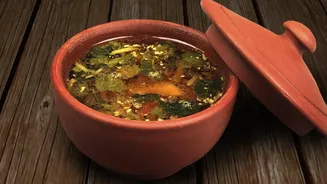
If you're ready to try earthenware cooking, there are a few things to know. First, you'll need to season your new pot. This typically involves soaking it in water for several hours, then allowing it to dry completely. Some methods also include boiling rice water or applying a light coat of cooking oil to seal the pores and strengthen the pot. When it comes to cleaning, avoid harsh soaps and detergents, as the porous clay can absorb them. Instead, use hot water and a stiff brush or a natural abrasive like salt or baking soda. Always start cooking on a low flame and increase the heat gradually to prevent cracking. With a little care, a good clay pot can last for years, becoming a trusted part of your kitchen.