






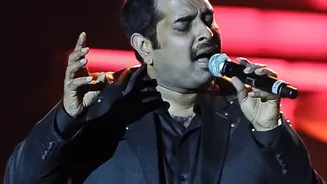


A Monumental Night at Wembley
Diljit Dosanjh made history as the first Punjabi artist to headline a solo show at Wembley Stadium, performing to a reported crowd of over 90,000 people. The sold-out concert was a landmark achievement, cementing his status as a global superstar and marking
a significant moment for Punjabi music on the world stage. As he announced to the roaring crowd, “Punjabi aa gaye oye,” it was clear this was a celebration of cultural arrival. The energy was electric, but the night's most powerful moments came when Dosanjh deliberately shifted the spotlight from himself to the giants on whose shoulders he stands.
A Soulful Homage to the Legends
During his set, Dosanjh paid tribute to several musical icons who paved the way. He has frequently honoured artists like Sidhu Moose Wala at past concerts, often with a screen dedication and a heartfelt speech about unity. At Wembley, a standout moment was his soulful rendition of 'Sanson Ki Mala', a classic made famous by the legendary qawwali maestro Ustad Nusrat Fateh Ali Khan. As thousands of phone lights illuminated the stadium, it became an arena-wide singalong, bridging generations. In previous concerts, he has also consistently honoured Amar Singh Chamkila, the iconic folk singer he portrayed on screen, often by performing his hits like 'Pehle Lalkare Naal'.
More Than a Performance
These tributes are not just casual shout-outs; they are a core part of Dosanjh's artistic identity. He often prefaces his shows by stating that the energy he brings to the stage belongs to his predecessors, naming legends like Lal Chand Yamla Jatt, Gurdas Maan, and Kuldeep Manak. By doing so, he positions himself as a custodian of Punjabi musical heritage. Honouring figures like Sidhu Moose Wala serves as an emotional touchstone for his audience, acknowledging a collective loss within the community. Similarly, celebrating Amar Singh Chamkila connects his recent film success with the grassroots authenticity that Chamkila represented, reminding a global audience of the genre's revolutionary roots.
Connecting Generations Through Music
The act of performing these classic songs on a global stage does something remarkable: it creates a shared experience for a diverse diaspora audience. For older generations, it’s a powerful dose of nostalgia, hearing the songs of their youth performed in one of the world's most famous venues. For younger fans, who may know these artists primarily through Dosanjh, it’s a living history lesson. This bridge between past and present is a key part of Dosanjh's appeal. He makes the legends of yesterday relevant to the youth of today, ensuring their legacy is not forgotten but carried forward and celebrated. Clips of these tributes regularly go viral, demonstrating their deep emotional impact on fans worldwide.
A Statement of Cultural Confidence
Performing at venues like Wembley or Coachella is a personal triumph for Diljit Dosanjh, but his insistence on sharing the stage with the memory of other artists is a statement of cultural confidence. It declares that Punjabi music's arrival on the global stage is not a recent phenomenon but the culmination of decades of work by countless artists. By honouring Pakistani legends like Nusrat Fateh Ali Khan, he also highlights a shared cultural heritage that transcends modern borders, a gesture that resonates deeply with fans in both India and Pakistan. These moments reinforce that as Indian artists reach new heights, they carry their entire culture with them.