





Embrace the Art of Layering
The single most effective strategy for multi-climate travel is layering. Instead of packing bulky sweaters and heavy coats, think in terms of a three-part system that works together. Start with a base layer designed to wick moisture away from your skin;
think thin, snug-fitting tops. Your mid-layer provides insulation; this can be a fleece jacket or a lightweight down vest. Finally, an outer layer, or shell, protects you from wind and rain. For a trip from the plains of India up to the Himalayas, this system allows you to peel off or add layers as the altitude and temperature change, ensuring you’re comfortable in a wide range of conditions without the bulk. A single waterproof shell is far more space-efficient than a heavy winter coat.
Choose Your Fabrics Wisely
Not all fabrics are created equal when it comes to travel. The champion of multi-climate packing is merino wool. This natural fibre is a travel superstar because it regulates body temperature, meaning it keeps you warm in the cold and cool in the heat. It is also naturally odour-resistant, so you can wear a merino wool t-shirt or base layer for several days without needing to wash it. Another key material is down or a synthetic equivalent for insulation. A packable down jacket provides incredible warmth for its weight and can be compressed into a tiny pouch, saving valuable luggage space. Contrast this with cotton, which is heavy, takes a long time to dry, and loses its insulating properties when wet, making it a poor choice for cold or damp conditions.
Invest in Multi-Purpose Gear
To truly travel light, every item in your bag should earn its place by serving more than one function. Think of a large, high-quality scarf or pashmina; it can act as a wrap on a chilly flight, a head covering for temples, a stylish accessory for dinner, and even a makeshift blanket. Convertible trousers that zip off into shorts are another classic example, perfect for days that start cool and end warm. Even your choice of shorts can be strategic—some are designed for hiking but stylish enough for a walk around town and quick-drying enough to be used for a swim. By selecting versatile pieces, you drastically reduce the number of individual items you need to pack.
Strategize Your Footwear
Shoes are often the bulkiest and heaviest items in a suitcase. For a multi-climate trip, you don't need a different pair for every occasion. A 'two-shoe' strategy is often sufficient. The first should be a durable, comfortable, and ideally waterproof pair of walking shoes or light hiking boots. These will be your workhorse for cold weather, rainy days, and any adventurous activities. Wear this heavier pair on the plane to save space in your luggage. The second pair should be lightweight and versatile, such as comfortable sandals, ballet flats, or loafers that can be worn on warm beach days, during city exploration, or even for a casual dinner. This simple combination covers most scenarios without weighing you down.
Master the Art of the Pack
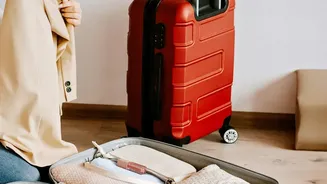
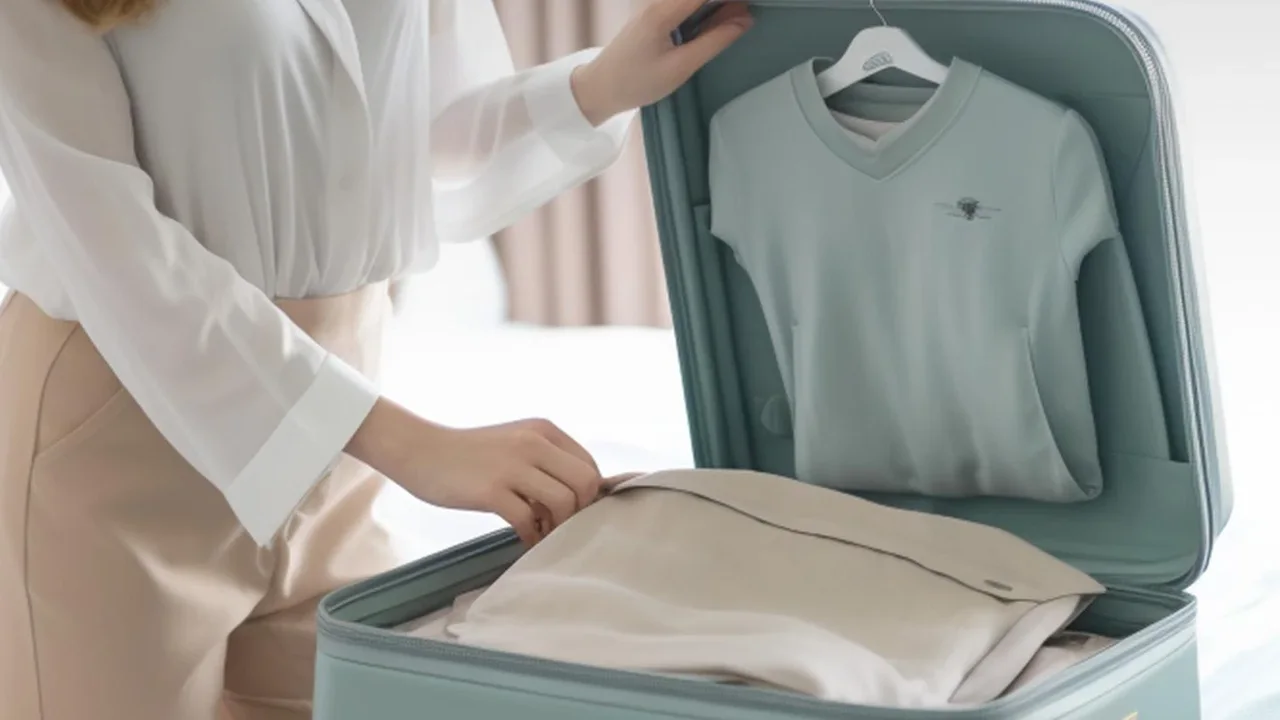
How you pack is almost as important as what you pack. Packing cubes are a game-changer for organization and compression. Use them to compartmentalize your clothing—one cube for warm-weather items, one for cold-weather layers, and another for undergarments. This not only keeps your suitcase tidy but also makes it easy to find what you need without unpacking everything. For bulky items like a puffer jacket, use a compression bag to suck out all the excess air, reducing its volume significantly. Rolling your clothes instead of folding them is another well-known trick that minimizes wrinkles and saves space, allowing you to fit more into your bag.