





Cosmic Crumbs from Halley's Comet
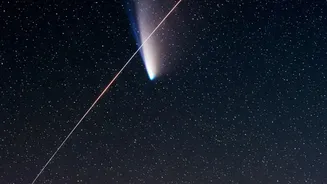
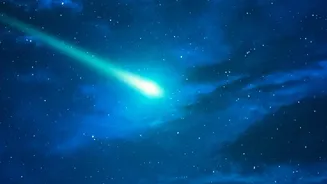
The Orionid meteor shower is one of the most anticipated celestial events of the year, considered by many to be one of the most beautiful. It's a special occasion not just for the 'shooting stars' it produces, but for its famous parentage. Each meteor is a tiny
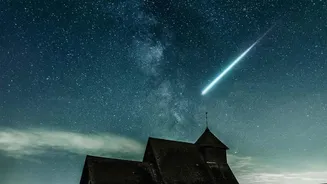
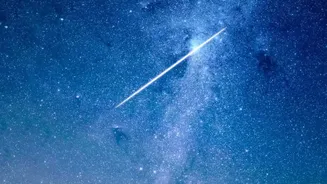
piece of space debris left behind by Halley's Comet, arguably the most famous comet in history. As Earth passes through this trail of cosmic dust each October, the particles burn up in our atmosphere at incredible speeds—about 66 kilometres per second—creating the bright, fast streaks of light we call meteors. Because of their speed, Orionids are known for leaving behind glowing 'trains' that can linger for several seconds.
The Prime Viewing Window for India
For viewers in India and across the Northern Hemisphere, the peak of the Orionid meteor shower will occur on the mornings of October 21st and 22nd, 2026. While the shower is active for a broader period from early October to early November, these two mornings offer the highest concentration of meteors. This year, there is a challenge: a bright, waxing gibbous moon will light up the sky for most of the night. However, fortune favours the early riser. The moon is expected to set around 3 a.m. local time, creating a perfect, dark window until dawn. This pre-dawn period is your absolute best opportunity to see the show.
Where to Look and What to Expect
The meteors are named 'Orionids' because they appear to radiate from a point in the constellation of Orion, near the star Betelgeuse. However, you don't need to stare directly at Orion. In fact, it's better not to. The meteors will appear all across the sky, and looking about 45 to 90 degrees away from the radiant point will allow you to see longer, more dramatic streaks. In ideal, dark-sky conditions, you might see 15 to 20 meteors per hour. Some years have produced surprise outbursts of 50-75 per hour, but it's best to set expectations for a steady, beautiful show rather than a constant downpour.
How to Prepare for the Perfect Viewing
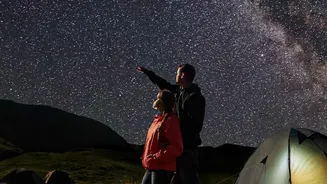
The best tool for watching a meteor shower is simply your eyes. Telescopes and binoculars have too narrow a field of view. The key is to find a location away from city lights, as light pollution can dramatically reduce the number of visible meteors. Give your eyes at least 20-30 minutes to fully adapt to the darkness; this means putting your phone away, as its bright screen will ruin your night vision. Get comfortable. A reclining chair or a blanket on the ground is perfect for gazing upwards without straining your neck. Even on a clear night, the pre-dawn hours can be chilly, so dress in warm layers and consider bringing a warm drink.