




Beyond the Metros
For decades, India's entertainment landscape was shaped by a handful of metropolitan hubs. To make it in media, you had to be in Mumbai or Delhi. But a quiet revolution is underway, powered by affordable smartphones, cheap data, and the raw ambition of Gen
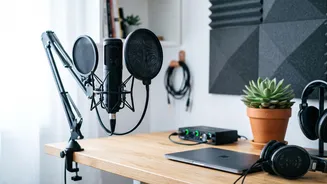
Z. The creator economy is no longer a metro-centric story; it is rapidly becoming a regional one. Reports show that non-metro creators now constitute the majority of India's creator ecosystem, and for the first time, brands are chasing authenticity in cities like Indore, Coimbatore, and Guwahati. This seismic shift is most audible in the world of podcasting, where the barriers to entry are low but the potential for connection is limitless. A microphone, a laptop, and a unique point of view are all it takes for a young creator to build a loyal community from their hometown.
The Sound of Authenticity in Indore
Indore, long known for its culinary delights, is fast emerging as a hub for this new wave of content. Here, the podcast boom isn't about mimicking national trends but about celebrating local identity. Creators are leveraging the city’s unique blend of Hindi and Malwi influences to discuss everything from daily life and local news to startup culture and comedy. The appeal is simple: listeners are tired of generic, one-size-fits-all content. They crave voices that sound like them, use their slang, and understand their lived realities. This preference for vernacular content is a nationwide trend, with over 65% of new podcast listeners preferring regional languages. For a generation that researches everything from skincare to laptops by watching reviews, the trust placed in a local, relatable creator is immense. This is where creators from cities like Indore are finding their power, building hyper-engaged audiences that brands are finally beginning to recognise for their high engagement rates and cultural relevance.
Patna's Podcasting Pulse
Meanwhile, in Patna, the podcasting revolution is helping reclaim a linguistic identity. For years, the Bhojpuri language has been associated primarily with a certain style of cinema. But young creators are using audio to showcase its depth and versatility. A powerful example is 'Dharti Maiya', a podcast on climate change created by a 20-year-old from Bihar to make complex environmental issues accessible to the last person in society. By choosing Bhojpuri, he ensured his message reached those who needed to hear it most, bypassing the English-speaking bubble. Other podcasts like 'Batkuchan' host deep-dive discussions on Bhojpuri culture and folk music, while 'Tani-Mani Bhojpuri' is credited as one of the first podcasts in the language. This isn't just content creation; it's a cultural reclamation project, proving that local dialects can be powerful mediums for education, entertainment, and social change.
The Gen Z Toolkit
This boom is made possible by a perfect storm of technology and demographics. India’s podcast market, valued at over a billion dollars in 2025, is projected to grow at a staggering rate of nearly 28% annually. Gen Z, digital natives who grew up with the internet, are both the primary audience and the creators driving this growth. They are adept at using low-cost recording equipment and free distribution platforms like Spotify, JioSaavn, and YouTube to get their voices out. Unlike previous generations, they don’t see technology as a hurdle but as a toolkit. They understand the art of repurposing a single podcast episode into dozens of short video clips, social media posts, and interactive stories, maximising their reach with algorithmic savvy. This digital fluency gives them an incredible advantage, allowing them to build a personal brand and a dedicated following with remarkable speed and efficiency.
More Than Just a Hobby
While many start out of passion, this is increasingly becoming a viable career path. As listener numbers swell into the millions, brands are diverting significant budgets towards podcast advertising and influencer partnerships. They have realised that a host-read ad on a niche vernacular podcast can generate more trust and higher engagement than a glossy ad featuring a national celebrity. However, challenges remain. Monetization is still a hurdle for many creators, and discoverability is becoming tougher as the market gets more crowded. Yet, the trend is clear: the future of Indian media is decentralised, diverse, and speaks in many tongues. The regional creator is no longer a footnote; they are writing the main story.