


The Magic of a Monsoon Trek
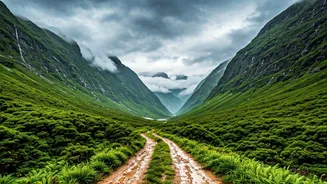
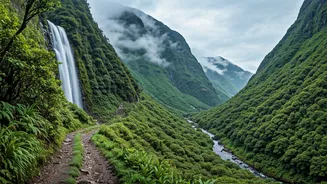
Conventional wisdom tells us to avoid the Himalayas during the monsoon. The risks of landslides, slippery trails, and leeches are real. Yet, this is also when the mountains are at their most alive. The dust settles, and the landscape transforms into a breathtaking
canvas of emerald greens. The air is crisp, the crowds are thin, and a profound sense of solitude pervades the trails. While popular treks like Valley of Flowers become hubs of activity, a few hidden gems offer a more tranquil experience. This is where Chopta, a small hamlet in the Garhwal Himalayas, enters the conversation as a prime destination for those willing to embrace the rain.
Discovering 'Mini Switzerland'
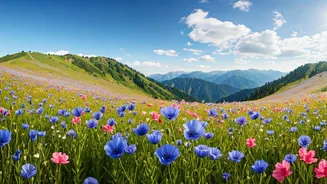
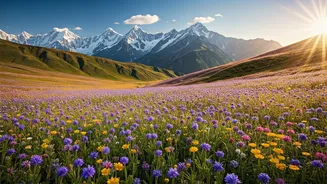
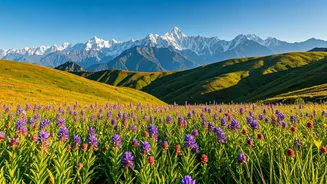
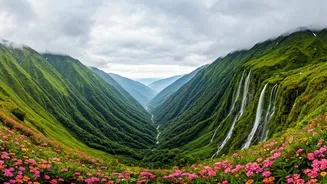
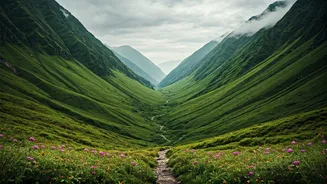
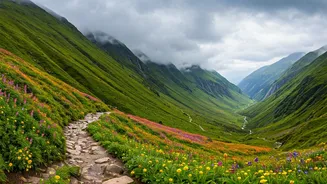
Nestled at an altitude of about 8,790 feet, Chopta has earned the nickname ‘Mini Switzerland of India’ for its stunning bugyals (high-altitude meadows) and panoramic views of Himalayan peaks like Trishul, Nanda Devi, and Chaukhamba. Unlike other trek bases that are bustling towns, Chopta is a quiet, undeveloped region. Its charm lies in its simplicity—a cluster of dhabas and basic lodges surrounded by a dense forest of pine, deodar, and rhododendron. During the monsoon, these meadows become impossibly lush, with wildflowers carpeting the rolling hills and clouds drifting in and out, creating a mystical, ever-changing landscape.
The Trail to Tungnath and Chandrashila
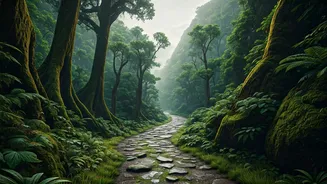
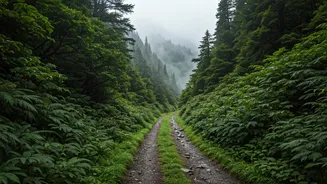
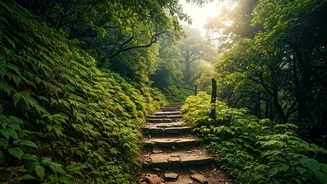
The main attraction of a Chopta trek is the journey to Tungnath Temple and Chandrashila Peak. The trek to Tungnath is a well-paved, 3.5-kilometre path that is manageable for most fitness levels, even for beginners. It winds through a beautiful rhododendron forest that, while not in bloom, offers a dense, green canopy. At 12,073 feet, Tungnath is revered as the highest Shiva temple in the world. Its ancient stone architecture stands in stark, beautiful contrast to the green slopes. From Tungnath, a steeper 1.5-kilometre climb takes you to Chandrashila ('Moon Rock') summit at around 13,000 feet. The reward is a 360-degree view of the Garhwal Himalayas, though in monsoon, this is often a game of hide-and-seek with the clouds.
Why It Shines in the Monsoon
So, what makes this trek particularly special during the rains? Firstly, the colours. The saturation is turned up to eleven, with countless shades of green painting the scenery. The monsoon mists add a layer of drama and mystery, making the familiar trail feel like an undiscovered path. Secondly, the solitude. While Chopta is popular in other seasons, the monsoon sees significantly fewer trekkers. You often have the vast meadows and ancient temple all to yourself. This peace is the very definition of an ‘offbeat’ experience. The sounds of the forest—the chirping of birds, the rustle of leaves, the patter of rain—are amplified, creating a deeply immersive natural symphony.
The 'Offbeat' Reality and Practicalities
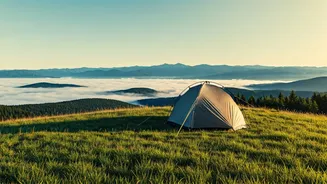
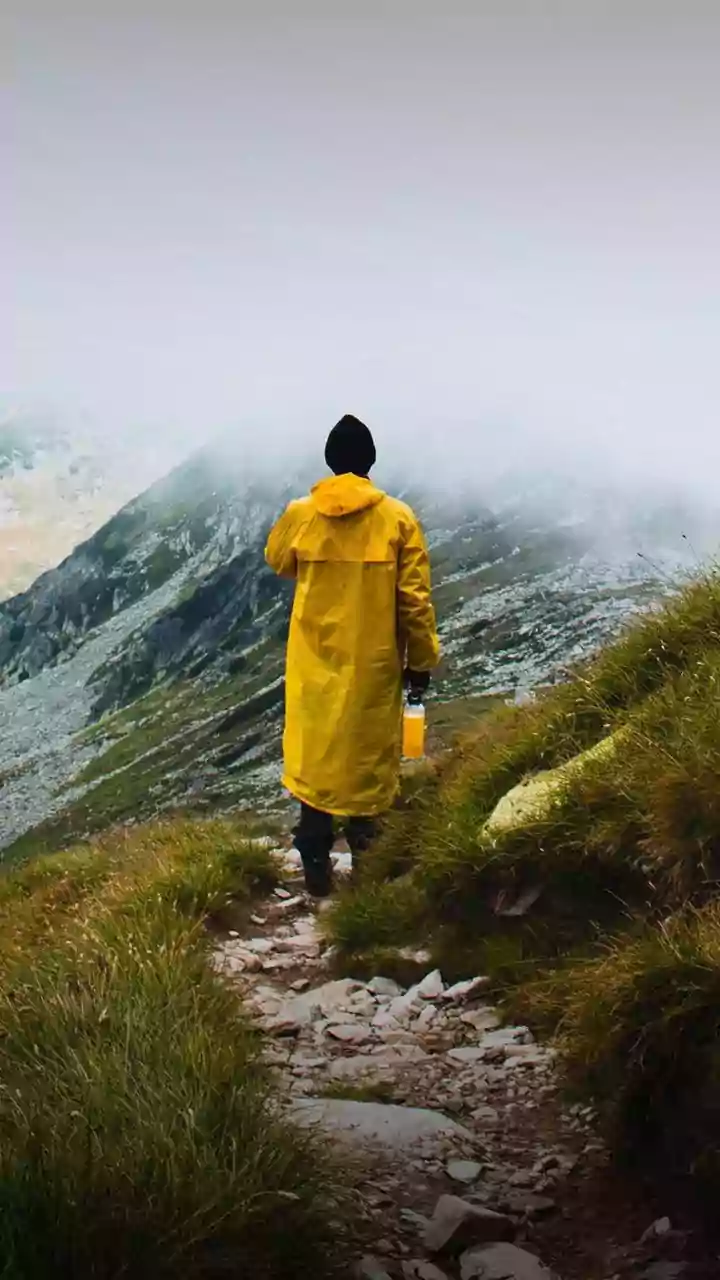
While Chopta is less crowded than many treks, its accessibility means it's not entirely deserted. However, it still retains an off-the-grid feel compared to commercialised hill stations. Trekking in the monsoon requires preparation. A good waterproof jacket, pants, and sturdy trekking shoes with excellent grip are non-negotiable. Leeches can be present on the lower trails, so carrying salt or a sanitiser is advisable. The trail to Tungnath, being paved, drains water well and is less prone to becoming a mud-fest than other natural trails. However, the final ascent to Chandrashila can be slippery and should only be attempted if weather conditions are favourable. Always check with local guides about trail conditions before setting out.