






Embrace 'Exercise Snacking'
Forget the 'all or nothing' mindset that demands a full 60-minute workout. Research shows that short, consistent bursts of activity, often called 'exercise snacking,' are incredibly effective. These brief sessions, spread throughout the day, combat the negative
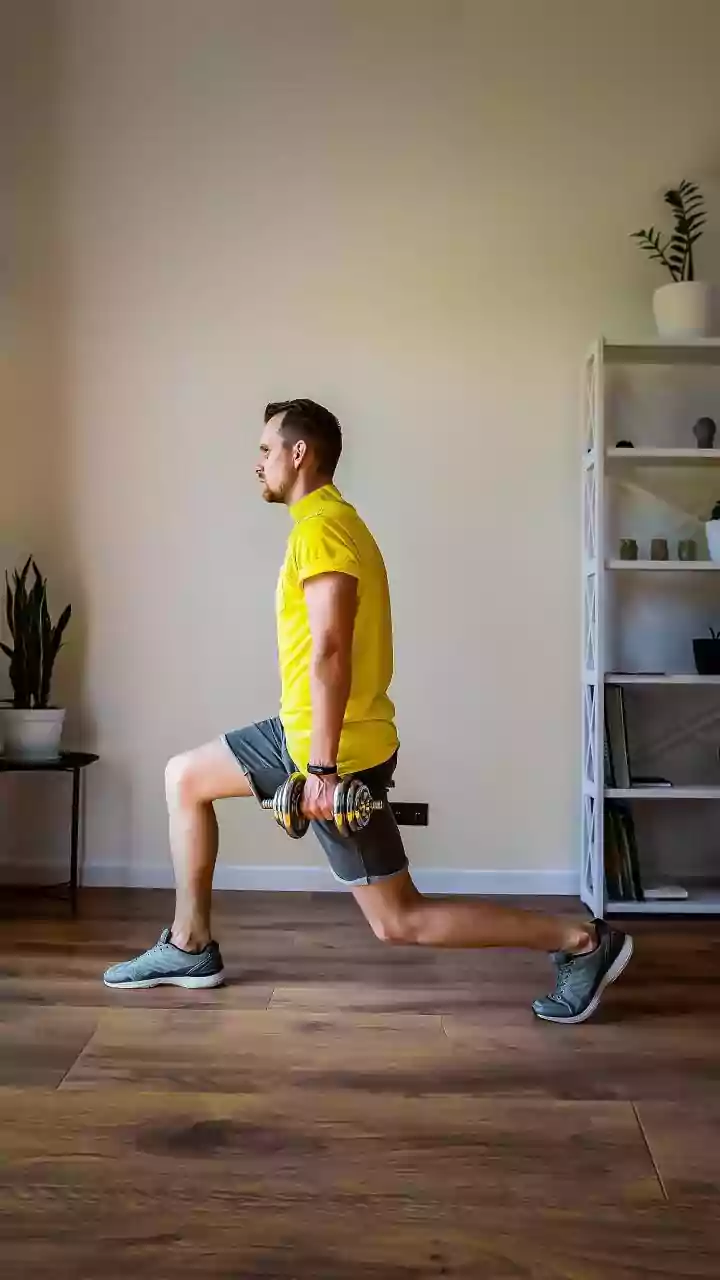
effects of prolonged sitting, boost metabolism, and improve focus. Think of it as breaking up your daily activity goal into bite-sized pieces. Try doing five minutes of stretching after a meeting, a set of squats while your coffee brews, or a quick walk around the block between tasks. Studies show that interrupting sitting every 30-60 minutes can yield significant health benefits, including better blood sugar regulation.
Schedule Movement Like a Meeting
In a busy remote schedule, if it’s not in the calendar, it often doesn't happen. Treat your fitness breaks with the same importance as a client call. Block out 15 or 20-minute slots in your daily schedule for a walk, a quick home workout, or some stretching. Putting it in your calendar creates a psychological commitment and prevents colleagues from booking over your dedicated movement time. You can set a recurring reminder to stand up, stretch, and move for a few minutes every hour. This simple act of scheduling ensures that your well-being remains a non-negotiable part of your workday.
Create a Movement-Friendly Workspace
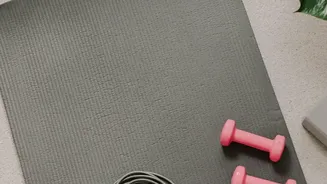
Your environment plays a huge role in your daily habits. Make small adjustments to your home office to encourage more activity. If possible, use a standing desk to alternate between sitting and standing throughout the day. Keep simple equipment like resistance bands or a yoga mat visible and within easy reach of your desk. This visual cue makes it easier to squeeze in a few exercises during a short break. Even ensuring your desk and chair are ergonomically correct can prevent the neck and back pain that might discourage movement. Consider adding plants or improving your lighting to create a more energizing space you want to be active in.
Recreate Your Commute
One of the biggest losses in the shift to remote work is the incidental activity from commuting. You can reclaim this time by creating a 'fake commute'. Before starting your workday, spend 15 to 20 minutes going for a brisk walk, a short bike ride, or doing a quick yoga routine. This not only gets your body moving but also creates a mental boundary between home life and work. Doing the same at the end of the day helps you decompress and switch off from work mode, a crucial part of maintaining work-life balance.
Walk and Talk
Not every meeting requires you to be glued to your screen. For audio-only calls or phone conversations, get up and move. Pace around your home, walk in your garden if you have one, or even take the call while walking around your neighbourhood. Many people find that they think more clearly and creatively while walking. This simple habit allows you to multitask effectively, ticking off both work responsibilities and fitness goals simultaneously without adding extra time to your schedule.
Leverage Technology Wisely
Your digital devices can be a source of distraction or a powerful tool for building habits. Use technology to your advantage. Set timers or use apps that send reminders to take movement breaks throughout the day. There is a vast library of free workout videos online, with sessions ranging from 5-minute HIIT workouts to 15-minute yoga flows that you can easily follow during a lunch break. An activity tracker can also provide motivation by helping you set and celebrate small, achievable goals, like hitting a certain number of steps each day.