





The Protein: Freshness is Key
The heart of any kebab is its main ingredient, be it meat or a vegetarian option. For mutton or chicken, fresh meat should have a clean, mild smell. Any sour or strong odour is a red flag. Fresh meat should be firm and spring back when touched, not slimy
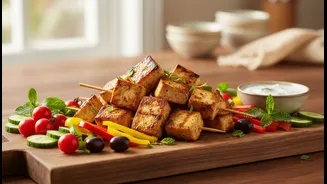
or sticky. Look for a bright, natural colour—vibrant red for beef or mutton, and a healthy pink for chicken. Avoid meat that looks grey or has dry patches. For vegetarians, paneer is a popular choice. Good quality paneer should be soft and slightly crumbly, with a fresh, milky aroma. If it feels rubbery, hard, or has a sour smell, it's best to avoid it.
The Marinade: Colours and Coats
A good marinade is crucial for flavour, but a vibrant, almost neon colour can be a warning sign. Unnaturally bright red or orange kebabs may contain artificial colouring agents like sunset yellow and carmoisine. Recently, states like Karnataka have banned these additives due to health concerns. A quality marinade uses natural ingredients like yogurt, ginger, garlic, and a blend of spices such as turmeric and paprika which impart flavour and a more subtle colour. The marinade should coat the protein evenly but not look like a thick, pasty layer designed to hide the quality of the ingredient beneath.
The Cooking: Watch the Grill
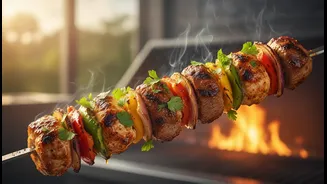
How a kebab is cooked is just as important as its ingredients. The best kebabs are cooked fresh to order over charcoal or in a tandoor. This high-heat cooking method kills bacteria and imparts a delicious smoky flavour. Be wary of pre-cooked kebabs that have been sitting out at room temperature, as this is a prime environment for bacterial growth. If you see a vendor simply reheating pre-cooked skewers, it’s best to move on. A busy stall with high turnover is often a good sign, as it means the food is being cooked and served fresh.
The Venue: Street Stall vs. Restaurant
Both street stalls and restaurants can offer fantastic kebabs, but your verification process should adapt. For street food, general cleanliness is your best guide. Is the stall tidy? Are the surfaces clean? Does the vendor handle money and food separately or use gloves? Look for places where locals are queuing up—it's a reliable indicator of quality and safety. At a restaurant, you can check online reviews and ratings for insights on food quality and hygiene. A restaurant that is proud of its ingredients will often be happy to answer questions about where they source their meat or paneer.
Healthier Choices and Accompaniments
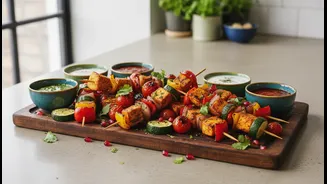
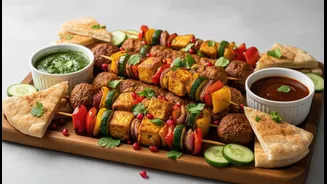
Celebrating doesn't have to mean over-indulging. To make your kebab meal healthier, opt for grilled or tandoori options rather than deep-fried varieties like shami kebab. Seekh kebabs, made from minced meat, and paneer tikka are often great choices. Pair your kebab with a fresh salad. The chutneys and sauces are a key part of the experience, but be mindful. At street stalls, avoid sauces that have been sitting out in the open. A simple mint-yogurt raita is often a safer and healthier bet than cream-based sauces. And remember to stay hydrated with safe, bottled water.