

Why Homemade Beats Store-Bought
The freezer aisle offers convenience, but homemade vegetarian cutlets offer superiority. When you make your own, you control everything. You choose the freshest vegetables, the most aromatic spices, and you decide the texture. This means no hidden preservatives,
less sodium, and the ability to cater to any dietary needs, like making them gluten-free by using powdered poha or chickpea flour as a binder instead of breadcrumbs. Plus, the satisfaction of creating something delicious from scratch is a flavour no packaged product can replicate. It’s about crafting a cutlet that tastes exactly the way you want it to.
The Anatomy of a Great Cutlet
A perfect cutlet is a balancing act of four key components. First is the base, which provides substance. Boiled and mashed potatoes are a classic choice, but you can also use lentils, chickpeas, kidney beans, or sweet potatoes. Second is the collection of vegetables, which add texture and nutrition. Finely chopped carrots, beans, peas, corn, and capsicum are excellent choices. Third is the binder, the crucial element that holds everything together. Breadcrumbs are standard, but alternatives like powdered poha (flattened rice), besan (gram flour), or cornflour work wonderfully. Finally, the flavourings—this is where you get creative. A mix of ginger, garlic, green chillies, and fresh coriander forms a fantastic foundation.
Mastering the Perfect Texture
The most common frustration with homemade cutlets is having them fall apart or turn out mushy. The secret to a firm, well-formed patty lies in moisture management. Always ensure your boiled or steamed vegetables are well-drained and not waterlogged. Steaming is often better than boiling for this reason. After mashing the vegetables, if the mixture feels too wet, don't hesitate to add more binder like breadcrumbs or poha powder until it forms a soft, non-sticky dough. Another professional tip is to let the mixture cool completely before shaping the patties. For an even more robust structure, you can refrigerate the shaped cutlets for about 30 minutes before cooking.
Building Your Flavour Profile
This is your chance to play chef. The vegetable base is a blank canvas for a world of spices. For a classic Indian taste, use a combination of garam masala, turmeric, cumin powder, and aamchur (dry mango powder) for a tangy kick. If you're aiming for a filling for tacos or burritos, try a mix of red chilli powder, cumin, and coriander powder. For a more Mediterranean feel, consider adding finely chopped olives, sun-dried tomatoes, and dried herbs like oregano. Don't be afraid to experiment. Sautéing your onions, ginger, and garlic with the spices before adding them to the mashed vegetables helps to deepen their flavour.
Cooking Methods for Every Need
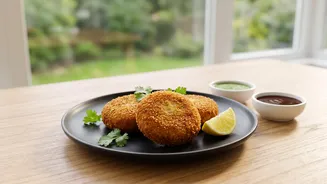
How you cook your cutlet dramatically affects its final character. Shallow frying in a pan with a few tablespoons of oil over medium heat will give you that classic golden-brown, crispy exterior and soft interior. For a healthier alternative with less oil, baking or air frying are excellent options. To bake, place the cutlets on a greased tray in a preheated oven at around 180°C (360°F) for 20-30 minutes, flipping halfway through. They may not get as uniformly brown as when fried, but they will be wonderfully crisp. Air frying at a similar temperature for 15-18 minutes also yields a fantastic, crispy result.
Beyond the Burger and Sandwich
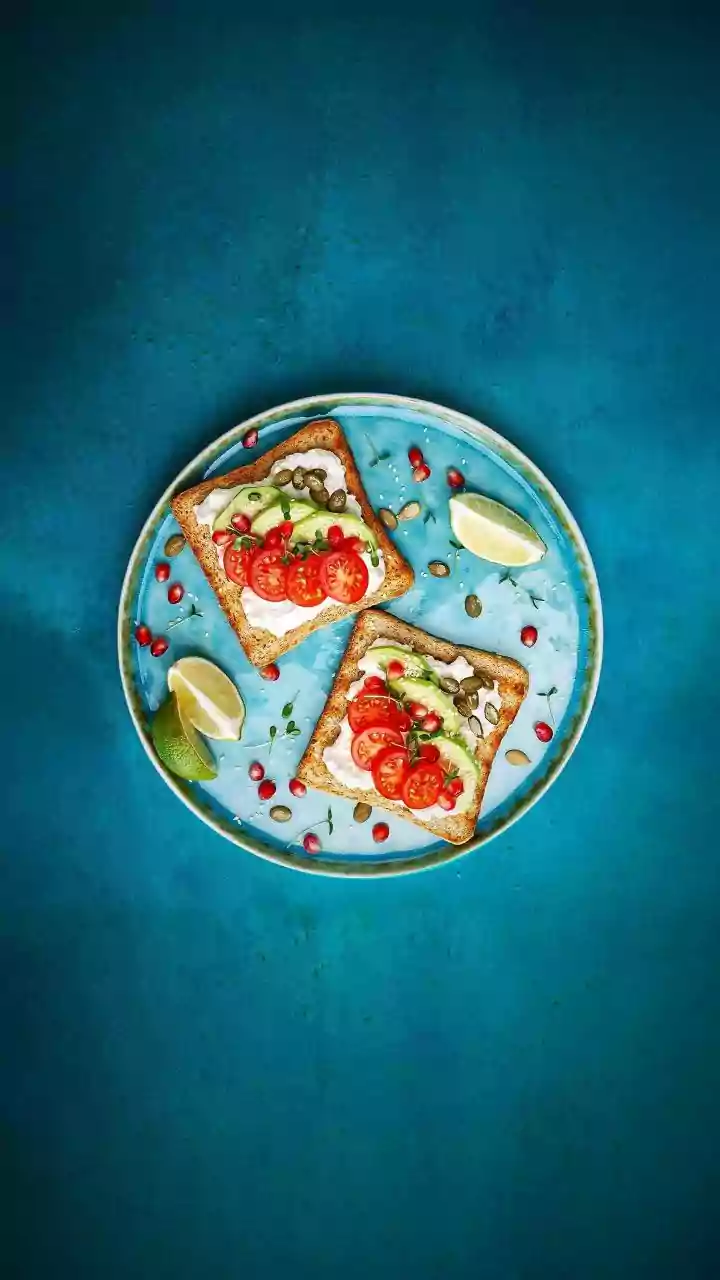
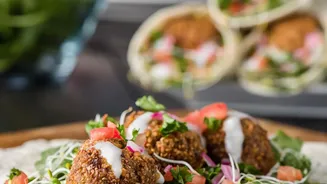
The versatility of these cutlets extends far beyond being placed between two slices of bread. Crumble a cooked patty and use it as a protein-packed topping for a large salad or a grain bowl. Use the crumbled mixture as a filling for tacos, quesadillas, or even homemade samosas. You can also slice a cooked cutlet into strips and tuck it into a wrap with hummus, fresh greens, and sliced tomatoes for a quick and healthy lunch. For a hearty dinner, place a warm cutlet over a bed of quinoa or rice and top it with your favourite chutney or sauce.