





The Pressure to See It All
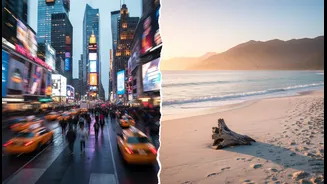
In the age of social media, the pressure to have a picture-perfect, activity-filled holiday is immense. This leads to what some call "checklist tourism," where the goal is to tick off as many sights as possible. But this approach comes at a cost. Constantly
rushing from one attraction to another can lead to decision fatigue, a state of mental exhaustion from making too many choices. This cognitive overload doesn't just make you irritable; it prevents you from being fully present and can turn a much-needed break into a stressful project. Instead of creating joy, an over-scheduled itinerary often leaves you with a blur of superficial memories and a feeling of burnout.
Why Less Is More for Your Memory
Neuroscience offers a compelling reason to slow down: our brains are wired for depth, not speed. New, emotionally charged, and immersive experiences create stronger, more lasting memories. When your brain encounters something novel and engaging, it releases dopamine, a chemical that essentially tells your brain, "This moment matters. Remember it." A single, deeply engaging activity—like a local cooking class, a long hike in nature, or spending an entire afternoon exploring one neighbourhood—engages multiple senses and emotions. This multisensory experience creates a rich, detailed memory that stands out far more than a dozen rushed photo stops. Research shows these kinds of emotionally weighty memories become key reference points in our life stories.
The Joy of Deep Engagement
Choosing one strong experience allows you to replace superficial sightseeing with genuine connection. It's the difference between seeing a city from a tour bus and discovering a hidden courtyard because you decided to wander without a plan. This approach, often called "slow travel," is about quality over quantity. It fosters a deeper understanding of the local culture, whether that means chatting with a shop owner, learning a few words of the local language, or simply observing daily life from a park bench. This unhurried pace not only reduces stress but also opens the door to spontaneity and unexpected discoveries—the very moments that often become the most cherished parts of any trip.
A Practical Guide to Focused Travel
Adopting this mindset doesn't mean you have to do nothing. It's about being intentional. Start by asking yourself what you truly want to get out of the trip—is it relaxation, adventure, or cultural immersion? Identify one or two "anchor" experiences that align with that goal. This could be a challenging mountain trek, a visit to a specific museum you’ve always dreamed of, or a reservation at a special restaurant. Plan your days loosely around these anchors, leaving plenty of unscheduled time. Give yourself permission to be spontaneous. If you find a charming café, sit and stay for a while. If you hear about a local market, go explore it. By setting an intention rather than a rigid schedule, you create a framework for a more meaningful and restorative journey.