




What Exactly is Functional Eating?
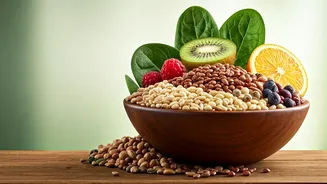
Functional eating is the practice of consuming foods that have a potentially positive effect on health beyond just providing calories or nutrients. Think of foods that do more than just fill you up—they work to reduce inflammation, boost immunity, aid
digestion, or support mental clarity. This category isn't limited to exotic 'superfoods'; it includes everyday items like fruits, vegetables, grains, and spices that contain bioactive compounds and antioxidants. The goal of functional eating is to use your diet as a proactive tool for long-term health, consuming these beneficial foods regularly as part of a balanced diet.
A Pharmacy in the Masala Dabba
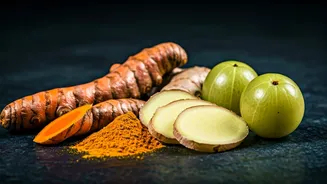
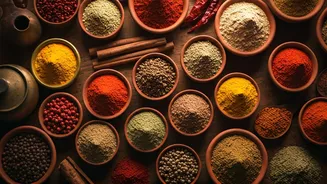
Long before turmeric lattes became a global phenomenon, Indian households were harnessing the power of 'haldi doodh' for everything from colds to wound healing. Turmeric, with its active compound curcumin, is a powerful anti-inflammatory and antioxidant. But it's just one star in a galaxy of functional spices. Ginger is a celebrated digestive aid and immunity booster. Cumin seeds also support digestion, while fenugreek (methi) has been shown to help manage blood sugar and cholesterol. Even black pepper plays a role, as its compound piperine significantly increases the body's ability to absorb the curcumin in turmeric. The Indian spice box, or masala dabba, is essentially a curated collection of functional ingredients used daily.
Beyond Spices: A Holistic Plate
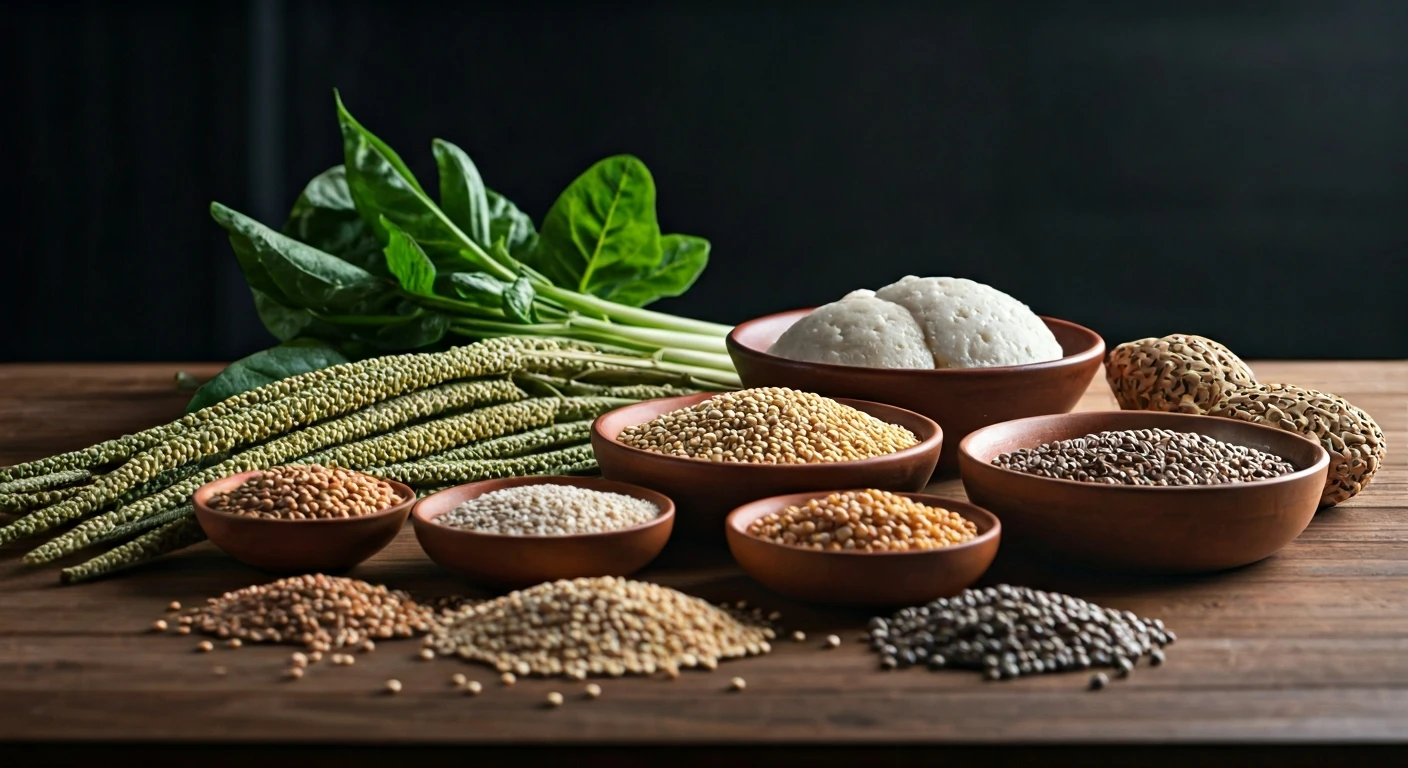
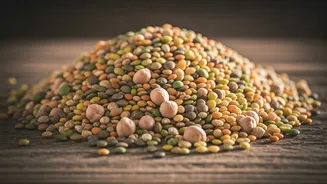
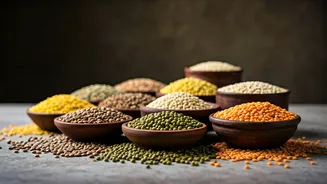
The functional nature of Indian food extends far beyond just spices. Traditional meals are often built on a foundation of whole grains and pulses, like dal and rice or roti. Legumes are a cornerstone, providing an excellent source of protein, vitamins, minerals, and dietary fibre. Fermented foods, a key part of functional eating, have always been staples. The process used to make idli and dosa batter, or homemade dahi (curd), not only makes these foods easier to digest but also populates the gut with beneficial probiotics. These practices demonstrate an innate understanding of how food preparation can enhance nutritional value.
The Wisdom of Ayurveda
This intuitive approach to food as medicine is codified in Ayurveda, India's ancient system of wellness. Ayurveda views food not just as fuel, but as a primary means of maintaining balance within the body. It emphasizes principles that align perfectly with modern functional nutrition, such as eating seasonal and local produce, the importance of good digestion (Agni), and tailoring food choices to an individual's unique constitution (dosha). Concepts like eating your main meal at midday when digestive fire is strongest, or the importance of including all six tastes (sweet, sour, salty, bitter, pungent, and astringent) in a meal for satisfaction, are all part of this holistic framework.