

The Allure of a Green Himachal
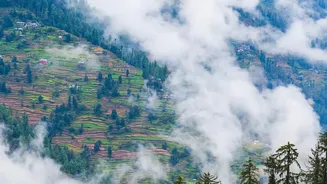
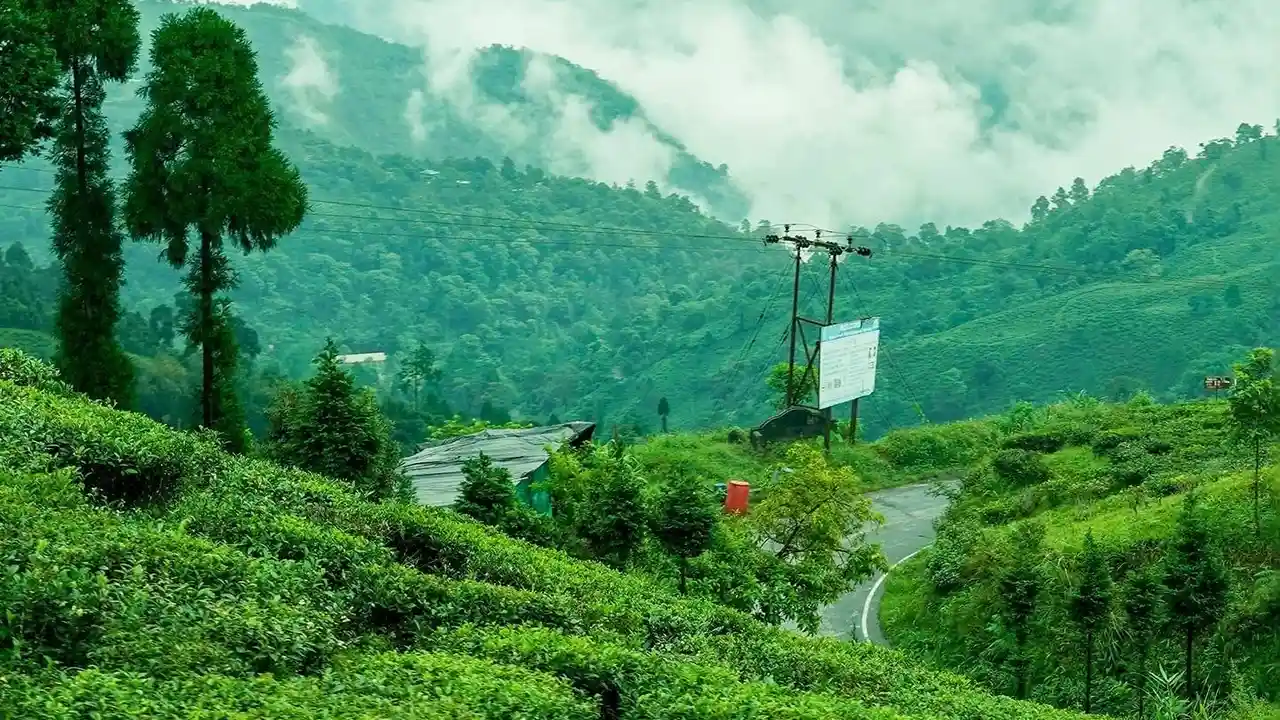
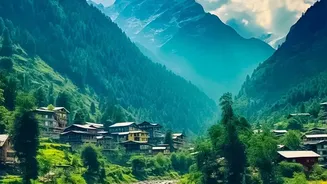
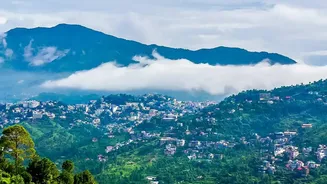
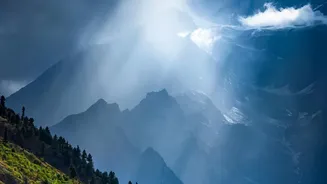
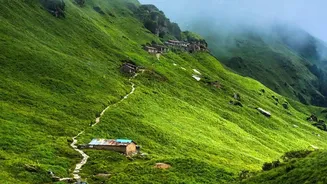
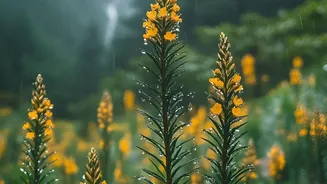
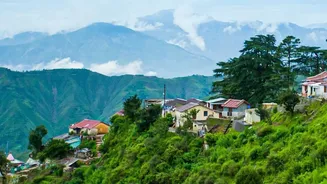
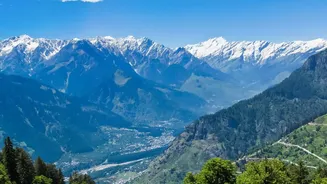
While many travellers shy away from the hills during monsoon, it’s a season that unveils a unique side of Himachal. The landscape transforms into a vibrant canvas of emerald green, waterfalls cascade with renewed vigour, and the air is crisp and clean.
This is the time for fewer crowds, which often means better deals on charming homestays and hotels. It’s an ideal setting for those seeking solitude, inspiration, or simply a cosy corner in a café with a mountain view. Instead of high-altitude treks, the monsoon season is perfect for short hikes, exploring local culture, and witnessing the valleys in their most photogenic state.
Tirthan Valley: A Riverside Haven
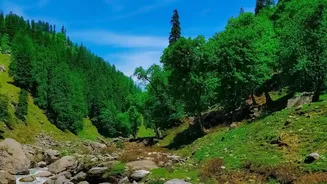
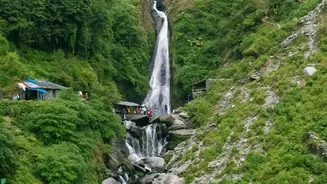
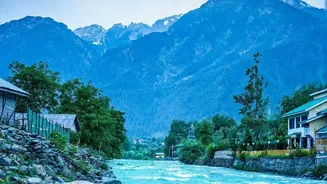
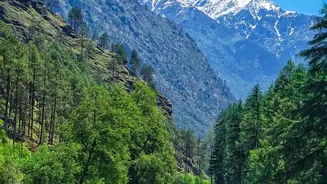
A designated UNESCO World Heritage Site, the Great Himalayan National Park region, Tirthan Valley, is a paradise for nature lovers. During the monsoon, the Tirthan River swells, and the surrounding pine forests are lush and full of life. Unlike commercialised hill stations, Tirthan offers a raw, unfiltered connection with nature. Days here can be spent trout fishing (with a permit), a popular activity in the valley's clear waters. Short, rewarding hikes are a must-do; trails leading to nearby waterfalls like Chhoie Waterfall are particularly beautiful during this season, offering a refreshing experience. The valley is dotted with quaint villages and welcoming homestays that offer a glimpse into the slow-paced Himachali way of life and serve authentic local food.
Shoja: Serenity at a Higher Altitude
Situated about 7 to 10 kilometres above the more frequented Jibhi, Shoja is a tiny, tranquil village that promises peace and stunning vistas. At an altitude of roughly 2,700 metres, it is cooler and quieter, making it an ideal base for those who want to disconnect. The main draw of Shoja is its proximity to the magnificent Jalori Pass. While the pass can be tricky to access during heavy rains due to slippery conditions, a clear day offers breathtaking panoramic views of the Himalayas. From Jalori Pass, a popular and relatively easy trek of about 5 kilometres through dense oak and deodar forests leads to Serolsar Lake, a serene high-altitude lake with a temple dedicated to Budhi Nagin. Even if you don't trek, the simple act of sitting on a wooden balcony in Shoja, watching the clouds drift by, is a meditative experience in itself.
Planning Your Monsoon Escape
Reaching Tirthan Valley and Shoja requires road travel. The most common route is via an overnight bus or car from Delhi or Chandigarh to Aut. From the Aut tunnel, you can hire a local taxi to reach Tirthan Valley (around 1-1.5 hours) or continue towards Banjar to climb up to Shoja. While monsoon travel in the hills requires caution, the highways to this region are generally well-maintained. However, it's crucial to check weather forecasts and road conditions before you travel, as landslides can cause temporary closures. Pack layers of warm clothing, a reliable raincoat, and sturdy waterproof shoes with good grip. Since network connectivity can be patchy and ATMs are scarce, it’s wise to carry sufficient cash and inform your family of your itinerary.