






The Simple Economics of Eating Seasonally
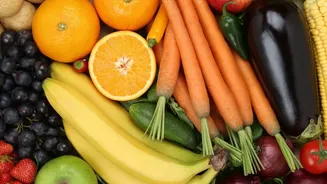
The primary reason seasonal produce is lighter on the wallet is the basic principle of supply and demand. When a fruit or vegetable is in season, it is at its peak of supply. Farmers harvest in abundance, and local markets are flooded with fresh goods.
This surplus naturally drives down prices. Out-of-season produce, on the other hand, is expensive to procure. It either travels long distances, requiring significant transportation and cold storage costs, or is grown in artificial, energy-intensive conditions like greenhouses. These additional expenses—for logistics, storage, and preservation—are ultimately passed on to the consumer, making that unseasonal vegetable a costly addition to your cart. By choosing what is plentiful and local, you bypass these extra costs entirely.
More Than Just Savings
The benefits of seasonal eating extend far beyond your budget. Produce that is picked at its natural point of ripeness is significantly more nutritious and flavourful. Vitamins, minerals, and antioxidants are at their highest levels when produce is fresh from the farm. Out-of-season items are often harvested early and ripened artificially, which can diminish both their taste and nutritional content. For instance, the vitamin C in a locally grown, seasonal tomato can be much higher than in one that has travelled across the country. Furthermore, eating what grows around you supports local farmers and reduces your carbon footprint by minimising 'food miles'.
A Guide to India's Seasonal Bounty
India’s diverse climate offers a rich variety of produce throughout the year. While regional availability varies, here’s a general guide: Winter (December - February): This is the season for leafy greens and root vegetables. Look for spinach (palak), fenugreek (methi), mustard greens (sarson ka saag), carrots, radishes, beetroot, and cauliflower. Citrus fruits like oranges and sweet limes are also at their peak. Summer (March - June): As temperatures rise, hydrating fruits and vegetables become abundant. This is the celebrated season for mangoes, watermelons, and muskmelons. You'll also find plenty of gourds like bottle gourd (lauki), bitter gourd (karela), and ridge gourd (tori), as well as cucumber and pumpkin. Monsoon (July - September): The rains bring a unique harvest. Corn (bhutta) is a monsoon staple. Fruits like jamun, peaches, plums, and pears are plentiful. It's also a good time for vegetables like okra (bhindi) and certain gourds.
Putting It All into Practice
Integrating seasonal produce into your meal planning is straightforward. Start by observing what is abundant and well-priced at your local sabzi mandi or farmer's market—this is your best indicator of what's in season. Plan your weekly meals around these ingredients. For example, a winter week could feature sarson ka saag, gajar ka halwa, and methi thepla. A summer menu might include mango lassi, lauki sabzi, and fresh cucumber salads. Don't be afraid to buy in bulk when prices are low. Many vegetables can be blanched and frozen for later use. This not only saves money but also time, giving you a head start on future meals.