







A Glimmering Gateway in the Desert
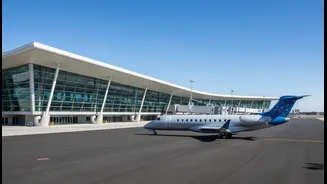
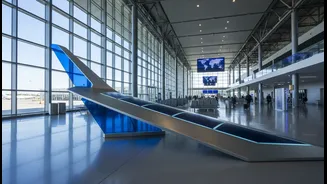
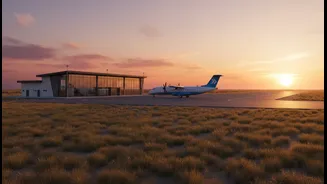
On July 4, 2026, Jodhpur unveiled a state-of-the-art airport terminal, an impressive structure of glass and sandstone reflecting Rajputana architecture. Developed at a cost of Rs 4.8 billion, the terminal is designed to handle two million passengers annually,
a significant upgrade from the previous facility. With 20 check-in counters, six aerobridges, and an apron capable of holding larger aircraft, the airport is clearly built for growth. Officials have positioned the project as a catalyst for tourism and economic development, strengthening Jodhpur’s place in Rajasthan's popular heritage circuit and preparing it for future demand. This new infrastructure is the physical manifestation of India's ambition to expand its aviation network beyond the metros.
UDAN: The Enduring Promise of Flight
The Jodhpur launch coincided with the rollout of the next phase of the government's flagship Regional Connectivity Scheme, UDAN (Ude Desh ka Aam Nagrik). The freshly approved 'Modified UDAN' or 'Viksit UDAN' comes with a massive outlay of nearly Rs 29,000 crore over the next decade. The goal remains the same as when it was launched in 2016: to make air travel affordable and connect underserved and unserved parts of the country. The modified scheme aims to develop 100 new aerodromes from existing airstrips, build 200 modern helipads, and continue providing Viability Gap Funding (VGF) to airlines that operate on commercially challenging regional routes. The promise is clear: if an airline cannot make money flying to a small town, the government will subsidise it to keep the route alive.
The Turbulence Beneath the Surface
This is where ambition collides with reality. Despite the success in building infrastructure and operationalising hundreds of routes since 2016, a critical problem persists: sustainability. According to recent reports, flights have been discontinued on nearly half of the 669 routes launched under UDAN. Many routes become unviable for airlines once the initial three-year subsidy period ends. This reveals the core challenge that a new terminal, however impressive, cannot solve. The problem isn't just a lack of runways; it's a lack of consistent, paying passengers to make these routes profitable for airlines in the long run. Building an airport is one thing; ensuring planes land and take off with enough passengers is another challenge entirely.
The Economics of Empty Seats
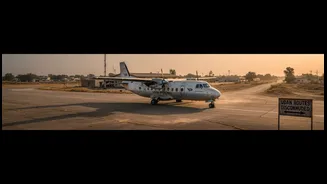
The failure of many UDAN routes points to fundamental economic hurdles. Regional airlines face a mountain of challenges. High operating costs, driven by state taxes on Aviation Turbine Fuel (ATF) and the lack of maintenance and repair facilities in smaller towns, squeeze their margins. More importantly, many designated routes are 'thin routes'—they simply don't have enough year-round demand to fill seats consistently. Airlines have pointed out that without access to major hubs like Delhi and Mumbai as part of their network, it is difficult to build a sustainable business model. This creates a vicious cycle: airlines bleed money, subsidies run out, and flights are cancelled, sometimes leaving behind upgraded but empty 'ghost airports'. Even with the modified UDAN extending support, it treats the symptom—financial loss—rather than the root cause: insufficient demand.
Beyond Runways and Subsidies
True regional connectivity is more than just an airport and a flight number. It is an ecosystem. For a regional airport to thrive, it needs strong last-mile connectivity through road and rail so passengers can get to and from it easily. It requires local economic development that creates reasons for people to travel—for business, tourism, or personal reasons. Unless a town’s economy grows, the demand for air travel will remain limited to a niche segment. The conversation must shift from merely providing supply (airports and subsidised flights) to stimulating demand. This involves integrating aviation policy with broader regional development, tourism promotion, and industrial strategies. Until then, we risk building beautiful, empty terminals.