


Choose Your Monsoon Champions
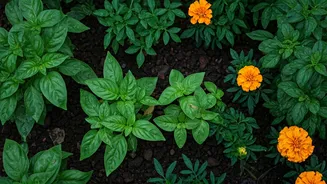
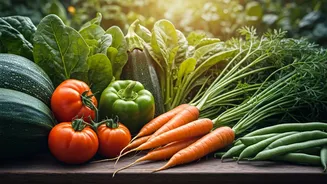
Not all vegetables love the high humidity and heavy rains of the monsoon. The key is to select varieties that thrive in these conditions. Leafy greens are a fantastic choice, as they grow quickly and enjoy the cooler, moist weather. Consider planting
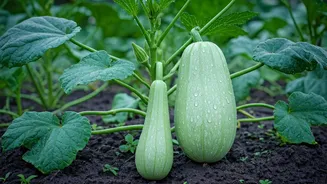
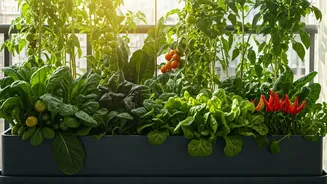
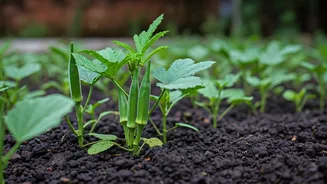
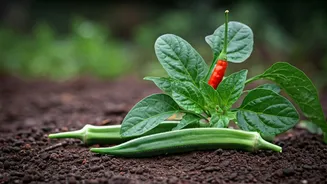
spinach (palak), amaranth (chaulai), fenugreek (methi), and coriander (dhania). Vining plants also do exceptionally well. Creepers like cucumber (kheera), bitter gourd (karela), and bottle gourd (lauki) can be trained up a trellis, maximising your vertical space. Other robust options include okra (bhindi), which loves humidity, and various types of beans, like cluster beans (gawar) and French beans. Starting with these resilient plants will set you up for a successful and rewarding harvest.
Prepare Your Pots and Containers
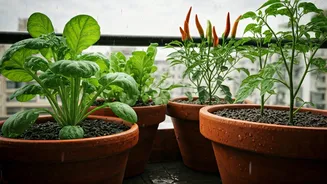
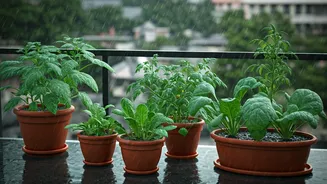
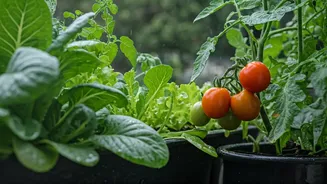
The single biggest challenge during the monsoon is waterlogging, which can lead to root rot. Your choice of container is your first line of defence. Ensure every pot, grow bag, or container has at least two to three drainage holes at the bottom. If the holes seem small, you can carefully widen them. Terracotta or clay pots are excellent as their porous nature allows for better aeration and helps excess moisture evaporate. Whatever you choose, it’s a good practice to elevate your pots slightly off the ground using pot stands or bricks. This prevents them from sitting in puddles on your balcony floor and ensures water can drain away freely after a heavy downpour.
Mix the Perfect Draining Soil
Standard garden soil can become compacted and waterlogged in the monsoon. You need a growing medium that is light, airy, and drains well. A perfect DIY mix for balcony pots combines equal parts of regular soil, cocopeat, and compost. The soil provides a base, the cocopeat retains just enough moisture while keeping the mixture light, and the compost (like vermicompost) adds essential nutrients. Adding a handful of sand or perlite to the mix can further improve drainage. This balanced mixture ensures that your plant's roots get the oxygen they need and aren't suffocated by excess water, a common issue that derails many monsoon gardening efforts.
Sowing and Planting Strategy
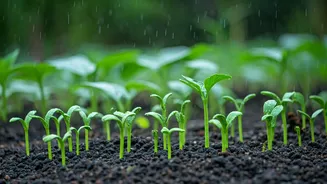
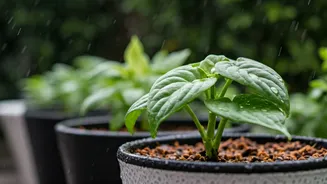
When the rain is relentless, it’s wise to sow seeds in a protected area first, like a covered part of your balcony or even a windowsill indoors. Use seed trays or small cups to germinate your seeds. This gives the delicate seedlings a strong start without being battered by heavy rainfall. Once they have developed a few true leaves and are sturdy enough (usually after 2-3 weeks), you can transplant them into your larger containers. When transplanting, be gentle with the roots. For leafy greens like spinach and coriander, you can sow the seeds directly into the final pots, but try to do so during a break in the rain to prevent them from being washed away.
Monsoon-Specific Garden Care
While the monsoon provides plenty of water, it also presents unique challenges. On days with extremely heavy and continuous rain, consider temporarily moving smaller pots to a more sheltered spot to prevent physical damage to the plants. Sunlight can be limited, so place your pots in the brightest part of your balcony that gets at least 4-5 hours of sunlight. You may not need to water your plants daily, but always check the soil. Stick your finger an inch deep; if it feels dry, it's time to water. Overwatering is a greater risk than underwatering during this season. Also, prune your plants regularly to ensure good air circulation, which helps prevent fungal diseases that thrive in damp conditions.
Managing Pests Naturally
The damp and humid environment is a breeding ground for pests like aphids, mealybugs, and various fungal infections. Inspect your plants every few days, checking under the leaves for any signs of trouble. A simple and effective organic pesticide is a neem oil solution. Mix a few millilitres of neem oil with a drop of liquid soap in a litre of water and spray it on your plants every 10-15 days as a preventative measure. This will help keep most common pests at bay without resorting to harsh chemicals, ensuring your homegrown vegetables are truly healthy and safe to eat.