




Start With a Clear Counter
Before you can organize, you need a clean slate. The first step in any weekly kitchen reset is to completely clear your countertops. This might seem daunting, but it's a critical part of the process. Move everything—appliances, fruit bowls, mail, spice
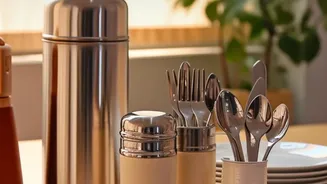
jars—onto your dining table or another temporary surface. This act forces you to consciously decide what deserves to return to this prime real estate. Once bare, give the counters a thorough wipe-down. Working with a clean surface is more motivating and helps you see the space with fresh eyes, making it easier to identify what truly needs to be there and what can be stored elsewhere. This initial clear-out is the foundation for a less cluttered kitchen throughout the week.
Embrace the Power of Vertical Space
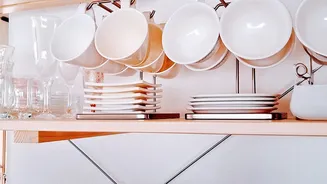
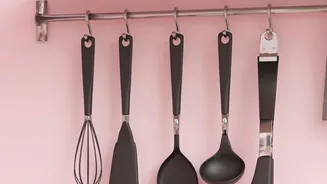
Kitchens are often full of underutilised vertical space. Look up, and you will likely find blank walls or large gaps on shelves that can be put to work. Installing simple wall-mounted shelves, magnetic knife strips, or pegboards can move frequently used items off the counter and into an organized, accessible display. Inside your cabinets, shelf risers can instantly double your storage for plates, bowls, or mugs, preventing precarious stacks. Similarly, under-shelf baskets can hold smaller items like napkins or spice packets. Don't forget the tops of your cabinets; if there's a gap, use decorative boxes or baskets to store seasonal or rarely used items like cookie cutters or special-occasion linens, keeping them dust-free and out of the way.
Decant and Consolidate Your Pantry Items
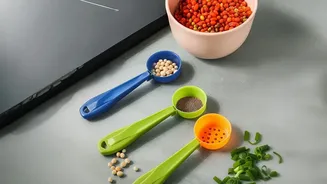
A pantry filled with half-empty bags and boxes of varying sizes is a major space-waster. A key part of your weekly reset should involve decanting items like grains, lentils, pasta, and spices into clear, uniform containers. This not only looks neater but also allows you to see exactly what you have at a glance, which helps with meal planning and grocery shopping. Stacking uniform containers is far more space-efficient than trying to arrange bulky packaging. During your reset, take a moment to consolidate. If you have two half-empty bags of rice, combine them into one container. This simple habit clears up surprising amounts of shelf space and brings a sense of order to your pantry or cabinets.
Designate a 'Clutter Hotspot' Basket
Kitchens are magnets for items that don’t belong: mail, keys, stray pens, and sunglasses. Instead of letting them spread across your counters, designate a single, attractive basket or bowl as the official 'clutter hotspot'. This becomes the temporary home for all the miscellaneous items that accumulate during the day. As part of your weekly (or even daily) reset, make it a habit to empty this basket and return everything to its proper place. This strategy doesn't eliminate clutter entirely, but it contains it. By giving clutter a defined home, you keep your valuable counter space free for its intended purpose: preparing and enjoying food.
Audit and Edit One Zone
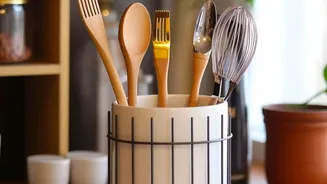
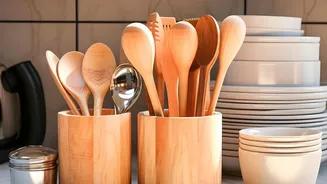
Trying to reorganize the entire kitchen at once is overwhelming and often leads to burnout. Instead, incorporate a 'one zone audit' into your weekly reset. Each week, choose one small, specific area to tackle: a single drawer, one cabinet shelf, or the condiment section of your fridge door. Pull everything out, wipe the space down, and get rid of anything that’s expired, unused, or doesn't belong. Ask yourself if you really need five spatulas or a collection of mugs you never use. This micro-organizing approach makes the task manageable. Over time, you'll work your way through the entire kitchen, making it progressively easier to maintain.
Optimize Under-Sink and Awkward Corners
The cabinet under the sink is often a dark, chaotic jumble of cleaning supplies and spare sponges. Tame it by using stackable bins, a lazy Susan, or a tension rod. A tension rod installed near the top of the cabinet is perfect for hanging spray bottles by their triggers, freeing up the floor of the cabinet for other items. For other awkward spaces, like deep corner cabinets, lazy Susans or pull-out organizers can bring items from the back into easy reach, ensuring nothing gets lost and forgotten. Maximizing these tricky spots is a game-changer for finding extra storage you never knew you had.