
The Foundation: Bodyweight Squats
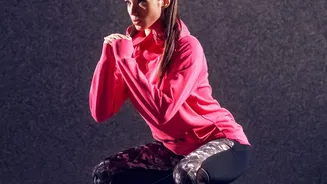
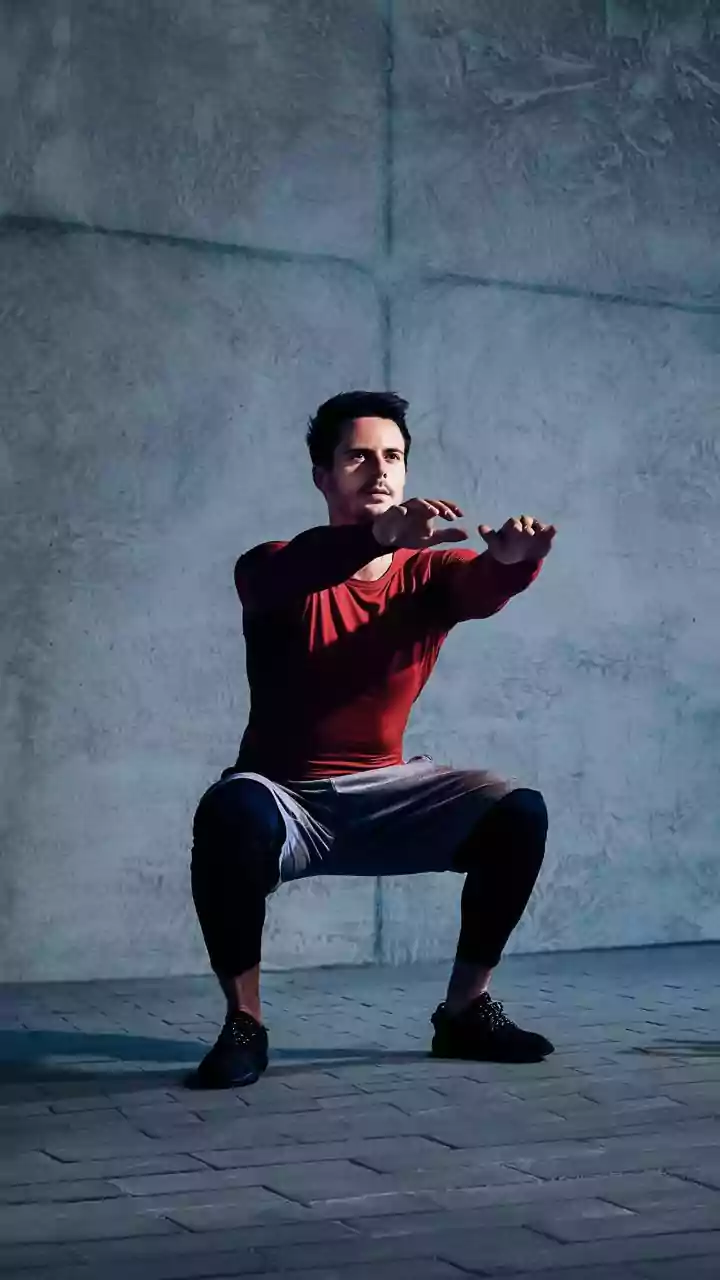
The squat is a powerhouse movement and the foundation of lower-body strength. It requires no more floor space than the width of your shoulders, making it perfect for tight quarters. Standing with your feet shoulder-width apart, lower your hips as if sitting
in a chair, keeping your chest up and back straight. Aim for your thighs to be parallel to the floor. This exercise targets your quadriceps, hamstrings, and glutes, building functional strength that you use every day. For an added challenge, slow down the movement or add a pause at the bottom of the squat to increase time under tension.
Upper Body Power: The Classic Push-Up
The push-up is the gold standard of equipment-free upper body exercises, strengthening your chest, shoulders, triceps, and core all at once. If a standard push-up is too difficult, start with your hands on an elevated surface like a sturdy table or perform them on your knees. To increase the difficulty, you can elevate your feet. The key is maintaining a straight line from your head to your heels, engaging your core to prevent your hips from sagging. This single move delivers a comprehensive upper-body workout without needing to move from your spot.
Core Stability Central: The Plank
A strong core is essential for good posture and injury prevention, and the plank is one of the most effective exercises to build it. It can be done anywhere you have enough space to lie down. Rest on your forearms with your body forming a straight, rigid line from your head to your heels. Avoid letting your hips drop or rise too high. Besides the standard forearm plank, you can try a high plank (on your hands) or introduce variations like plank shoulder taps to challenge your stability further.
Cardio Blast: Mountain Climbers
If you think you can't get your heart rate up in a small space, think again. Mountain climbers are a fantastic full-body exercise that doubles as cardio. From a high plank position, alternate bringing one knee towards your chest at a time, as if running in place horizontally. This move fires up your core, shoulders, and legs while providing a significant cardiovascular challenge. You can control the intensity by changing your speed, making it suitable for both beginners and advanced fitness levels within the same small footprint.
Lower Body Unilateral Strength: Lunges
Lunges are excellent for training each leg independently, which helps to improve balance and address strength imbalances. Reverse lunges, where you step backward, are often recommended for beginners as they offer more stability. You only need enough space to take a single step back or forward. This exercise intensely works the quads, glutes, and hamstrings. Because they can be performed in place, lunges are perfectly suited for limited areas and deliver impressive results for leg strength and toning.
The Ultimate Full-Body Move: Burpees
The burpee is famously challenging for a reason: it's a full-body strength and cardio exercise in one. It combines a squat, a plank, a push-up, and a jump into a seamless, high-intensity sequence. While it requires a little more energy, it doesn't require much more space than a push-up. If you live in an apartment and are concerned about noise, you can perform a 'quiet' version by stepping back into the plank instead of jumping and finishing with a calf raise instead of a full jump. It remains one of the most efficient exercises you can do.