





The Magic of Kathal
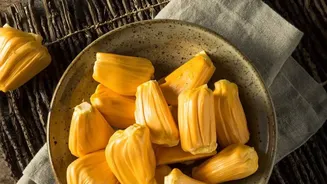
Raw jackfruit holds a special place in Indian vegetarian cooking. Often called the 'vegetable meat' for its satisfying, stringy texture when cooked, it absorbs flavours beautifully, making it a perfect candidate for robust curries. While many regional
cuisines have their own take on kathal, from dry stir-fries to rich gravies, the Parsi rendition stands apart. It moves beyond a simple sabzi, treating the kathal with the reverence usually reserved for meat, creating a complex and memorable main course.
What Makes It Parsi?
Parsi cuisine is a delicious tapestry woven from Persian roots and Indian influences. The hallmark of many Parsi dishes is the 'khattu mithu ane teekhu' (sweet, sour, and spicy) balance. This trinity of taste is achieved through a careful combination of ingredients. Jaggery or sugar provides the sweetness, while sugarcane vinegar or tamarind lends a tangy kick. The spice comes from a blend of aromatic masalas, which are often family secrets. A key player is often Parsi sambhar masala—a complex, fragrant powder quite different from its South Indian namesake—which includes spices like mustard seeds, fenugreek, and star anise, giving dishes a unique depth. This careful layering of flavours is what makes a seemingly simple vegetable curry a distinctly Parsi experience.
The 'Parsi Club' Tradition
The mention of 'Parsi Club' evokes a sense of heritage and time-tested culinary traditions. Gymkhanas and community clubs in cities like Mumbai have long been custodians of authentic Parsi food, serving dishes that taste just like they would at a home celebration or a wedding feast. These establishments pride themselves on consistency and adherence to classic recipes passed down through generations. A 'Club-style' kathal curry, therefore, promises authenticity—a dish slow-cooked with care, rich in flavour, and deeply connected to the community's culinary identity.
Ingredients for Parsi-Style Kathal
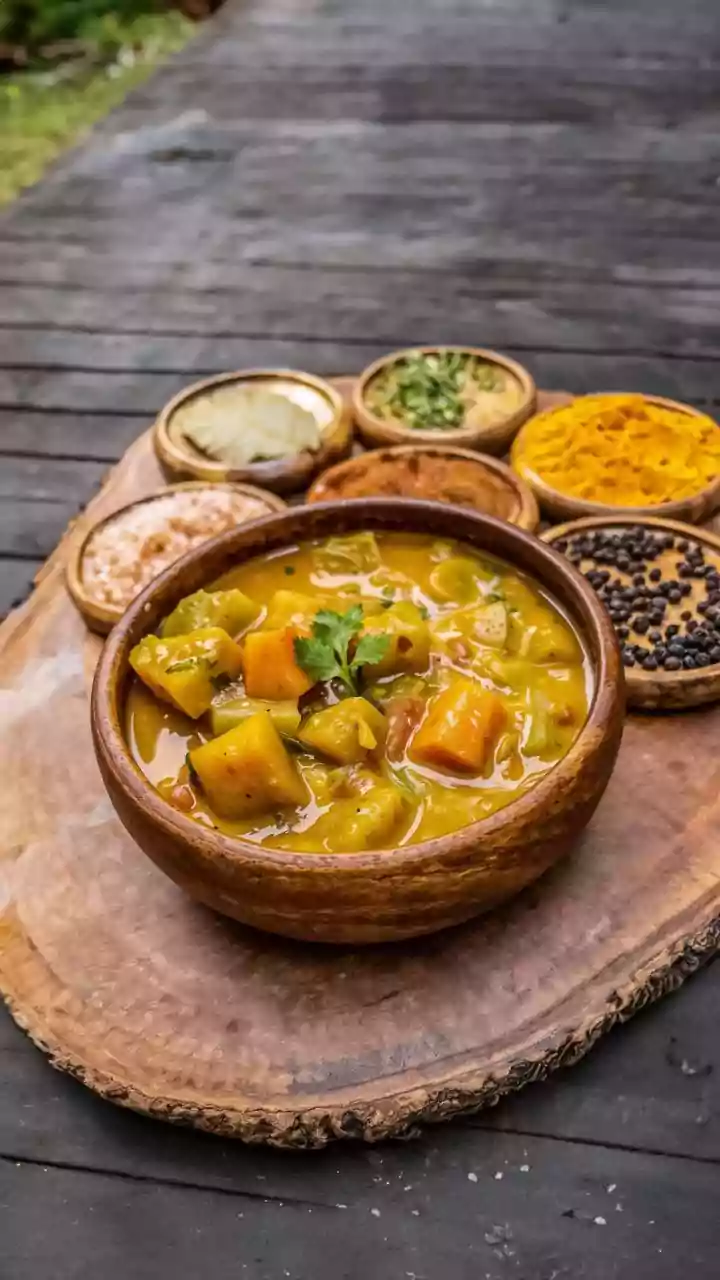
This recipe captures the essence of the traditional Parsi approach. For the Kathal: - 500g raw jackfruit (kathal), peeled and cut into bite-sized pieces - 2 large onions, finely sliced - 2 medium tomatoes, pureed - 1 tablespoon ginger-garlic paste - 2-3 tablespoons ghee or oil - Salt to taste For the Masala Paste: - 1 tablespoon Parsi sambhar masala (or a mix of garam masala and cumin powder) - 1 teaspoon red chilli powder - ½ teaspoon turmeric powder - 1 tablespoon jaggery, grated - 2 tablespoons sugarcane vinegar or tamarind paste - A handful of fresh coriander, chopped, for garnish
Step-by-Step Cooking Guide
1. Prepare the Jackfruit: Raw jackfruit secretes a sticky sap, so it's wise to oil your hands and knife before cutting. If you haven't bought it pre-cut, do this carefully. Boil the jackfruit pieces in salted water for 10-15 minutes until just tender, then drain and set aside. This pre-cooking step ensures it becomes perfectly soft in the curry. 2. Build the Flavour Base: In a heavy-bottomed pan, heat the ghee or oil. Add the sliced onions and sauté on medium heat until they are soft and golden brown. This is a crucial step for developing the curry's sweetness, so don't rush it. Add the ginger-garlic paste and cook for another minute until fragrant. 3. Cook the Masala: Add the tomato puree and cook until the oil begins to separate from the mixture. Now, add the Parsi sambhar masala, red chilli powder, and turmeric powder. Stir for a minute to toast the spices. 4. Bring It All Together: Add the boiled jackfruit pieces to the pan, stirring gently to coat them with the masala. Pour in about 1.5 cups of water, add the jaggery and vinegar, and season with salt. Bring the curry to a simmer. 5. Slow Cook to Perfection: Reduce the heat to low, cover the pan, and let the curry cook for at least 20-25 minutes. This allows the jackfruit to absorb all the wonderful flavours of the gravy. The final dish should have a thick, luscious consistency. Garnish generously with fresh coriander before serving.