






A Forest Floor That Breathes Light
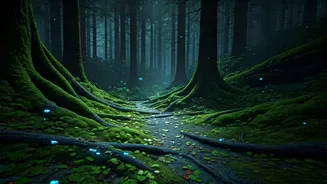
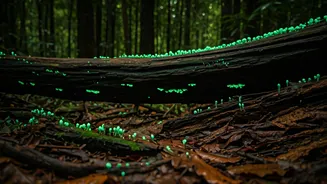
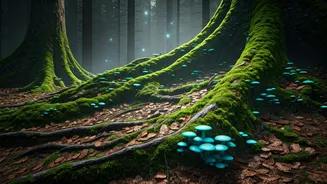
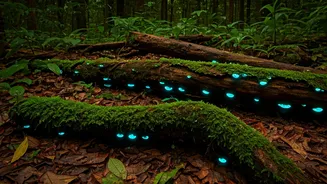
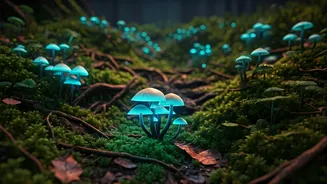
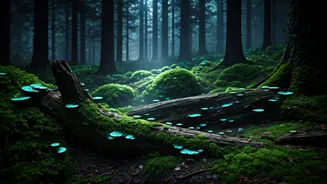
Deep within the damp, shaded forests of India’s Western Ghats and parts of the Northeast, a magical phenomenon unfolds with the arrival of the monsoon. As darkness falls, decaying logs, twigs, and leaf litter begin to emit a soft, ethereal glow. This
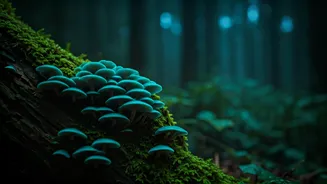
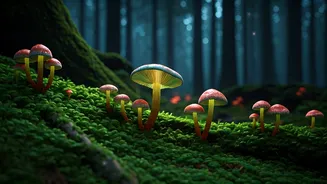
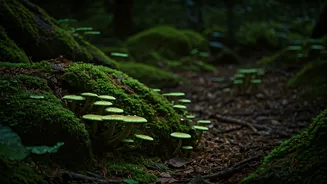
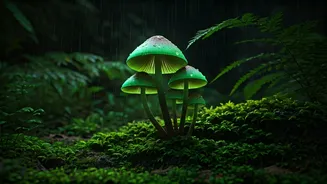
natural spectacle is caused by bioluminescent fungi, primarily species from the genus *Mycena*. These tiny mushrooms, often unassuming by day, transform the forest floor into a scene straight out of a fantasy film at night. For years, this was a secret known mostly to local communities and hardcore naturalists. Now, thanks to dedicated nature guides and word-of-mouth, it’s becoming one of the most sought-after eco-tourism experiences in the country.
The Science Behind the Glow
The ghostly light is not magic, but biology at its most brilliant. The phenomenon is known as bioluminescence, the same process that allows fireflies to light up. The fungi produce chemicals called luciferin and an enzyme, luciferase. When luciferin combines with oxygen in the presence of luciferase, it creates a chemical reaction that releases energy in the form of cold light. Scientists believe this glow serves several purposes. It might be a way to attract nocturnal insects that help in spore dispersal, spreading the fungi to new locations. Another theory suggests the light acts as a warning to deter foraging animals from eating them. Whatever the reason, the result is a silent, steady light that turns a simple walk in the woods into an enchanting adventure.
Why The Sudden Surge in Popularity?
Nature guides across Goa, Maharashtra, and Karnataka have reported a significant spike in enquiries and bookings for ‘glowing mushroom’ trails. This surge isn't accidental. It's a confluence of factors. Post-pandemic, there’s a heightened desire for unique, open-air experiences away from crowded cities. Social media has also played a huge role; a few stunning photographs or viral videos of the glowing forests are enough to pique the curiosity of thousands. Furthermore, local eco-tourism operators and knowledgeable guides have become better at marketing these trails. They’ve curated safe, informative walks that not only showcase the phenomenon but also educate visitors about the delicate forest ecosystem. This has transformed a niche interest into an accessible and wildly popular monsoon activity.
A Monsoon-Specific Marvel
Timing is everything when it comes to chasing this glow. The fungi thrive in high humidity and moisture, making the monsoon season—roughly from June to early October—the prime time for viewing. The consistent rain provides the perfect conditions for the mycelium (the vegetative part of the fungus) to fruit and glow. The best sightings usually occur in dense, undisturbed forests with plenty of decaying organic matter. Popular hotspots include the Mhadei Wildlife Sanctuary in Goa, the Bhimashankar Wildlife Sanctuary in Maharashtra, and various forest patches in Agumbe in Karnataka. Because the glow is faint, the experience is best on moonless nights, far from any artificial light pollution.
How to Experience It Responsibly
Witnessing this spectacle comes with a responsibility to protect it. The first rule is to always go with a registered and experienced local guide. They know the safe trails, understand animal behaviour at night, and can spot the fungi without disturbing the habitat. Wear sturdy, waterproof shoes with good grip and carry a raincoat. Use a red-filtered torchlight, as harsh white light can disturb nocturnal creatures and ruin your eyes’ night vision, making it harder to see the faint glow. Avoid touching or plucking the fungi, as they are a fragile part of the ecosystem. And perhaps most importantly, manage your photography expectations. The glow is very difficult to capture on a phone camera; it’s an experience best captured with your eyes and memory, not your screen.