






The Problem with Polished Rice
For many households in India, a meal is incomplete without rice. However, the polished white rice we commonly consume is stripped of its most nutritious layers—the bran and germ. This polishing process removes a significant amount of dietary fiber, vitamins,
and minerals. What's left is mostly simple carbohydrates that can cause rapid spikes in blood sugar. While comforting and familiar, a diet heavily reliant on polished rice can be low in essential nutrients and fiber, which are crucial for good digestion, sustained energy, and overall health.
Meet the Millet Powerhouses: Foxtail and Sorghum
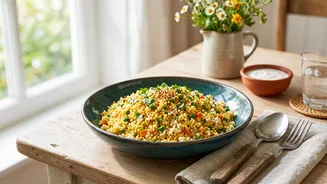
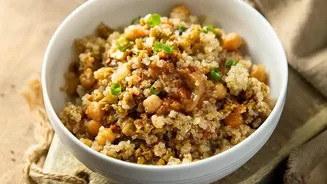
Enter millets, a group of ancient grains that are making a well-deserved comeback. Among the many varieties, foxtail millet (known as kangni or thinai) and sorghum (jowar) are excellent, nutrient-dense alternatives to rice. Foxtail millet is a small, yellowish grain with a mild, nutty flavour. Sorghum, a larger, rounder grain, has a hearty, chewy texture. Both are naturally gluten-free and have been staples in various parts of India for centuries, celebrated for their resilience and nutritional value.
The High-Fiber Advantage
The single biggest advantage of switching to these millets is their high fiber content. Unpolished millets can contain significantly more dietary fiber than polished white rice. This fiber is essential for digestive health, helping to prevent constipation and support a healthy gut. It also plays a crucial role in making you feel full and satisfied after a meal, which can aid in weight management. Furthermore, the fiber in millets slows down the absorption of sugar into the bloodstream, leading to more stable energy levels without the post-meal slump often associated with high-GI foods like white rice.
A Nutritional Upgrade Beyond Fiber
The benefits don't stop at fiber. Compared to polished rice, both foxtail millet and sorghum offer a superior nutritional profile. They are richer in protein, which is vital for muscle maintenance and overall bodily functions. They are also packed with essential minerals that are often lacking in polished rice, such as iron, magnesium, and calcium. For instance, foxtail millet has a higher protein and iron content than rice, while sorghum is also a good source of protein and essential minerals. This makes them particularly valuable in vegetarian diets, helping to bridge potential nutritional gaps.
How to Cook Millets Like a Pro
Adopting millets can be intimidating, but cooking them is simple. For foxtail millet, a general rule is a 1:2 or 1:2.5 ratio of millet to water. It's best to rinse and soak the grains for at least an hour, which helps them cook evenly and become fluffy. You can then cook it on the stovetop, covered on low heat, for about 15-20 minutes until the water is absorbed. Sorghum takes longer to cook, around 45-55 minutes, and typically requires a 1:3 ratio of grain to water. Soaking it overnight can reduce cooking time. After cooking, let the millets sit covered for 5-10 minutes before fluffing with a fork, just as you would with rice.
Easy Ways to Make the Swap
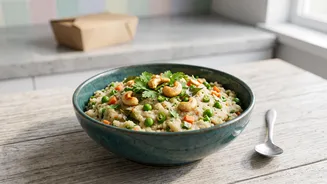
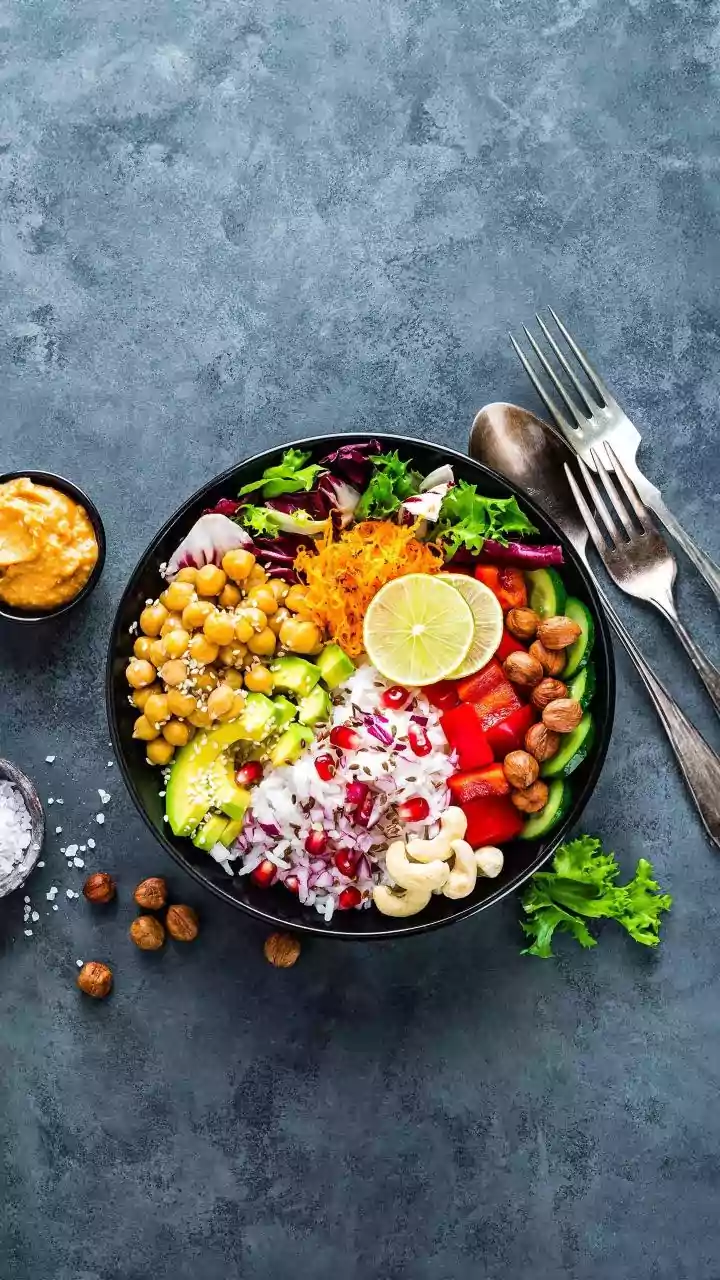
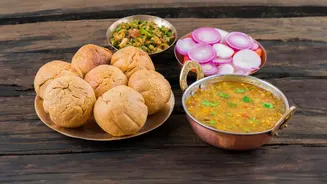
You don't have to give up rice entirely overnight. Start by swapping it out for one meal, a few times a week. Both foxtail millet and sorghum are incredibly versatile. You can use cooked foxtail millet exactly as you would use steamed rice—pair it with dal, sambar, or your favourite curry. Its texture also works wonderfully in dishes like lemon rice, pulao, and even curd rice. Sorghum's chewy bite makes it an excellent addition to salads, and it can be used as a base for grain bowls or mixed with vegetables. You can even use millet flour to make healthier versions of dosa, idli, and rotis.