

Not Your Average Headwear
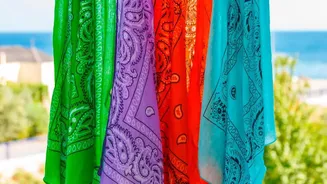
The bandana is back, but not as you know it. Once the uniform of cowboys, rock stars, and '90s pop idols, this simple square of cotton is experiencing a refined revival. The 2026 version isn't about loud, chaotic patterns; it’s a quieter, more considered
accessory that prioritises artistry. Recent street style at events like Copenhagen Fashion Week saw bandanas styled with a modern sensibility, paired with everything from minimalist tailoring to relaxed summer dresses. This resurgence is less about nostalgia and more about a shift towards unique, handcrafted pieces that tell a story. It marks a move away from mass-produced accessories toward items with individuality and texture.
The Art of the Dye
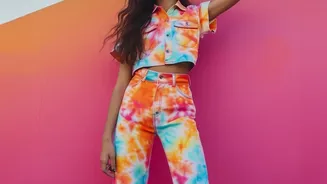
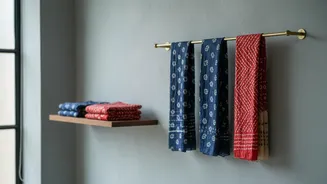
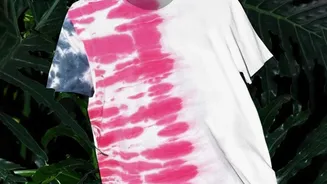
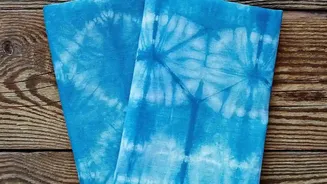
At the heart of this trend is a renewed appreciation for tie-dye as a craft. The psychedelic rainbow swirls of the past are being replaced by more intricate and artistic dyeing techniques. Methods like Japanese Shibori, which involves precise folding and binding to create geometric patterns, are gaining popularity. Other modern takes include ice dyeing for soft, watercolor-like effects and single-color gradients that produce a more subtle, ombre look. These techniques transform a simple piece of fabric into wearable art, celebrating the imperfections and unique outcomes of the hand-dyeing process. This focus on craftsmanship aligns with a broader consumer desire for sustainable and thoughtfully made products.
A Tie to Indian Heritage
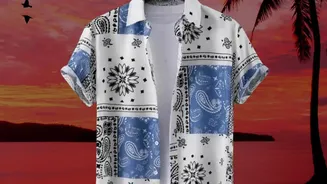
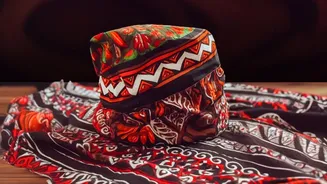
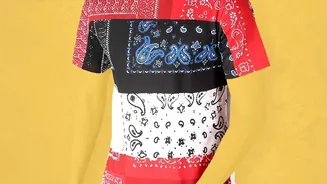
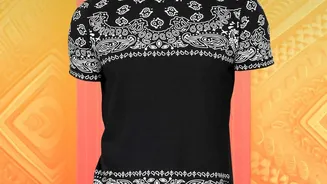
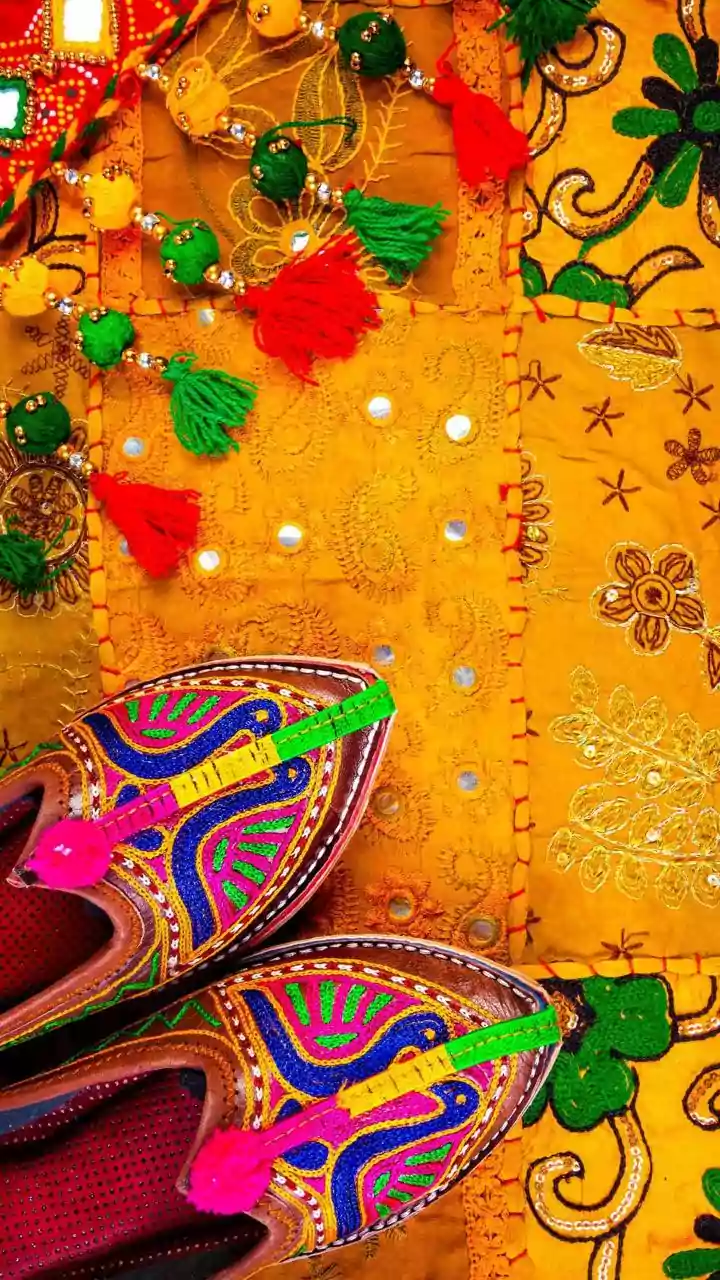
The very origins of the bandana are rooted in India. The name itself comes from the Sanskrit word 'bandh' and the Hindi term 'bandhani', a traditional tie-dye technique that has been practiced for millennia to create vibrant patterns on silk and cotton. These textiles were originally imported to Europe, bringing intricate Indian designs to a new audience. The classic paisley pattern, synonymous with bandanas worldwide, also originated in Kashmir. Today's revival, with its emphasis on artisanal dyeing methods like Bandhani, brings the accessory full circle, reconnecting it with its rich South Asian heritage and celebrating ancient craftsmanship in a contemporary context.
How to Style It Now
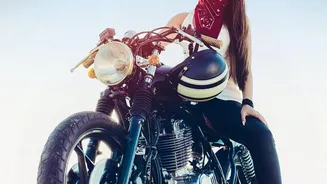
The versatility of the bandana is key to its 2026 comeback. While wearing it as a headband is a timeless choice, the modern approach is more creative. Try tying one loosely around your neck as a chic neckerchief to add a pop of colour to a neutral outfit. Another popular look is to knot it around the handle of a handbag, instantly updating a familiar accessory. For a subtle nod to the trend, loop a folded bandana through a belt loop on your trousers or wrap it around your wrist. The new styling rules are fluid, encouraging a more personal and less prescriptive way to wear the accessory. It’s about adding a point of interest and texture, often with a contrasting color, rather than perfect matching.
A Symbol of Personal Expression
More than just a fleeting trend, the bandana's return speaks to a larger cultural shift. In an era of fast fashion, there is a growing appetite for items that feel personal and unique. The artisanal tie-dye bandana, with each piece having a slightly different pattern, is a direct counterpoint to mass-produced uniformity. Celebrities like Dua Lipa, Zendaya, and Priyanka Chopra Jonas have all been spotted championing the look, each in their own way, demonstrating its adaptability. This revival isn't about conforming to a single style; it's about using a simple, timeless accessory to express individuality and an appreciation for craftsmanship.