



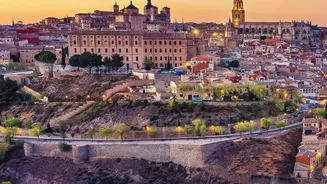
Spain's sun-drenched plazas and architectural marvels have long been a dream destination. But a growing wave of local discontent over mass tourism is changing the landscape, putting famous sites under scrutiny and reshaping the visitor experience.
The Heart of the Matter: Overtourism and Its Consequences
Across
Spain, from the Canary Islands to Barcelona, a movement is gaining momentum. Under banners like 'Canarias tiene un límite' (The Canaries have a limit), residents are staging large, peaceful protests. Their grievances are not against tourists themselves, but against a model of 'overtourism' they say is unsustainable. The core issues include a severe housing crisis driven by short-term rentals, which prices locals out of their own neighbourhoods. There is also immense strain on public services, infrastructure, and natural resources like water. In cities like Barcelona and on islands like Mallorca and Ibiza, locals feel their cultural identity is eroding as historic districts become dominated by tourist-centric businesses. These protests, which have seen tens of thousands participate, are a call for a more sustainable model that balances economic benefits with the quality of life for residents.
Barcelona: A City at a Crossroads
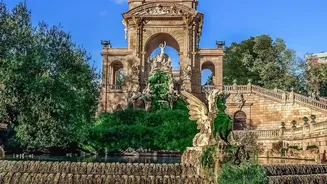
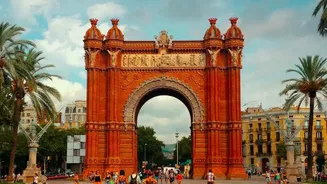
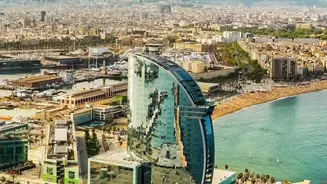
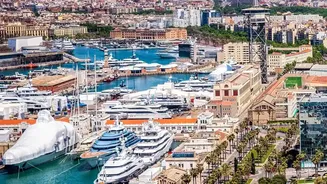
Barcelona has long been the epicentre of the anti-tourism debate. With millions of visitors a year, the city is taking firm steps to manage the influx. A significant move is the decision to phase out all 10,000 licensed tourist apartments by November 2028, aiming to return them to the residential market. For visitors, this means a shift towards hotels and other forms of registered accommodation. Cruise passengers, particularly those on short day trips, are also a focus, with authorities increasing taxes for them. Recent protests by port workers over pay have also caused disruptions for cruise passengers, highlighting how local labour issues can directly impact travel plans. Furthermore, the city has implemented stricter rules, banning smoking on all beaches and enforcing fines for wearing swimwear away from the immediate beach area. These measures signal a clear message from the city: the era of unchecked tourism growth is over.
The Islands: Paradise Under Pressure
The Canary and Balearic Islands are facing intense pressure. In places like Tenerife, Gran Canaria, and Mallorca, massive protests have called for a moratorium on new hotel construction and a halt to projects seen as environmentally damaging. The housing crisis is particularly acute, with some residents reportedly living in cars despite being employed. In response, authorities are considering new measures. An 'eco-tax' for visitors is being discussed, and some natural parks like Tenerife's Teide National Park may introduce entry fees by 2026 to manage visitor numbers and fund conservation. For travellers, this means that while the islands remain welcoming, the cost of a visit may increase, and access to certain areas could become more regulated. The protests themselves are well-publicized, allowing tourists to steer clear of demonstration areas on specific days.
What This Means for Your Visit
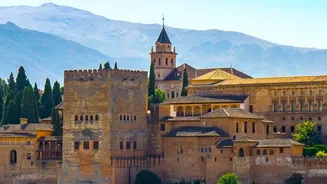
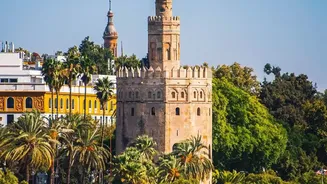
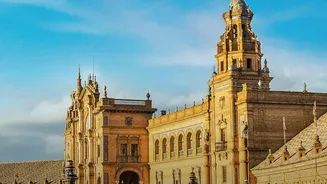
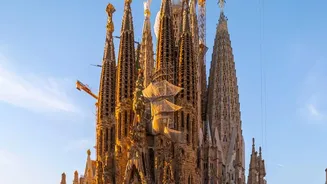
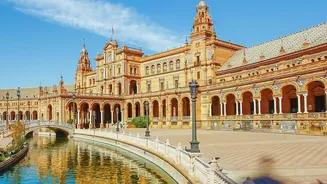
Despite the headlines, Spain remains a safe and overwhelmingly welcoming country for tourists. The protests are largely peaceful and directed at policy, not people. However, the visitor experience is evolving. You may encounter new rules you weren't expecting. For instance, 'tourism of excesses' laws in parts of the Balearics ban public drinking and happy hours. In Seville, homeowner associations now have more power to prohibit tourist rentals in their buildings. Across the country, you might find fines for seemingly minor infractions like reserving a spot on the beach with a towel or driving in flip-flops. Navigating this new landscape requires a more conscious approach. Booking major attractions like the Alhambra in Granada or the Sagrada Família in Barcelona well in advance is more crucial than ever. Paying attention to local news for protest announcements can help you avoid disruptions.