



Identify Your Intruders
Before you can treat the problem, you need to know what you're up against. Common pests in Indian balcony gardens include aphids, mealybugs, spider mites, and whiteflies. Aphids are tiny green or black insects that cluster on new growth. Mealybugs look
like small, white cottony spots, often hiding in the joints of leaves and stems. Spider mites are minuscule and create fine webbing on the undersides of leaves, causing them to look dusty and discoloured. Regularly inspecting your plants, especially under the leaves, is the first step to early detection and effective control.
The Power of Neem Oil
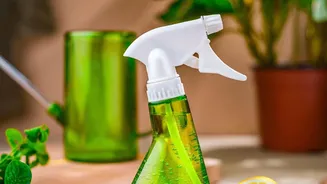
Neem oil is a cornerstone of organic gardening in India for a good reason. Derived from the neem tree, this natural oil doesn't just kill pests on contact; it also disrupts their lifecycle, preventing them from feeding and reproducing. It's effective against more than 200 species of insects, including aphids, mealybugs, and whiteflies, while being safe for beneficial insects like bees and ladybugs. To create a spray, mix about 5 ml of cold-pressed neem oil and 2 ml of a mild liquid soap (which acts as an emulsifier) with one litre of warm water. Shake well and spray thoroughly over the entire plant in the early morning or late evening to avoid leaf burn.
A Simple Soap Solution
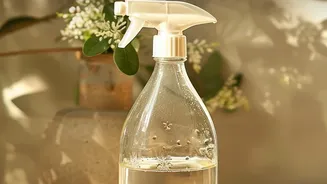
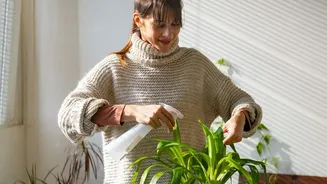
For a quick and easy remedy against soft-bodied insects like aphids and mites, a simple soap spray is incredibly effective. The fatty acids in the soap dissolve the pests' protective outer layer, causing them to dehydrate. It's crucial to use a true soap, like castile soap, and not a detergent, which can harm your plants. A safe dilution is about one to two teaspoons of liquid soap per litre of water. Pour it into a spray bottle and apply directly to the affected areas, making sure to coat the undersides of the leaves. A second application may be needed a week later to handle any newly hatched pests.
Spicy and Pungent Repellents
Many common kitchen ingredients can be used to create potent pest repellents. The strong smells of garlic, onion, and chillies are excellent for deterring a wide variety of garden intruders. A popular combination is a garlic and chilli spray. You can blend a few cloves of garlic and a couple of chillies into a paste with a little water. Strain the liquid, dilute it further in a litre of water, and it's ready to be sprayed on your plants. This mixture works well against aphids, caterpillars, and even some larger pests. The strong odour confuses and repels them without the use of toxic chemicals.
Companion Planting for Natural Defence
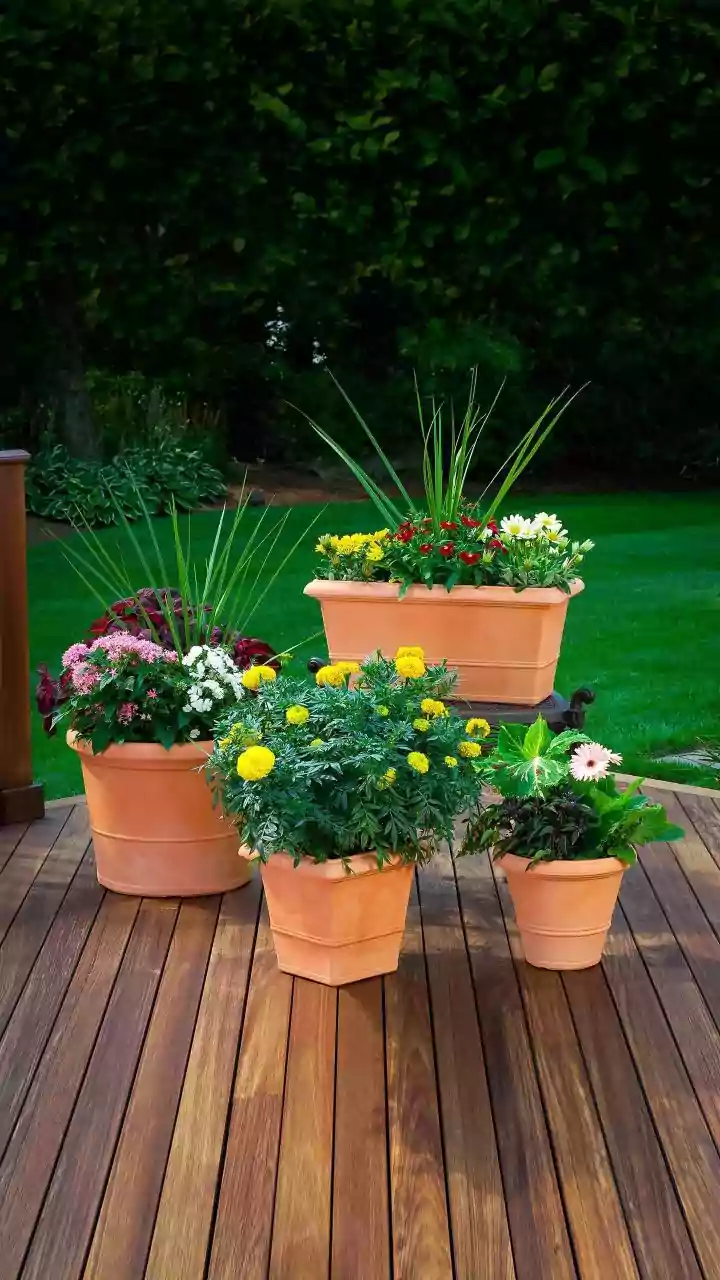
Companion planting is a smart, proactive strategy where you use certain plants to protect others. It's a technique that works wonderfully even in the limited space of containers on a balcony. Planting strong-scented herbs like basil, mint, or dill alongside your vegetables can help mask their scent and confuse pests. For instance, planting basil near your tomato plants can help repel aphids and the tomato hornworm. Marigolds are another classic companion plant, known for releasing a substance that deters nematodes in the soil and repels other pests above ground. This natural synergy creates a healthier, more resilient garden ecosystem.
Manual Removal and Plant Health
Sometimes the most straightforward method is the best. For small infestations, you can simply knock pests off with a jet of water from a spray bottle or wipe them away with a cloth. Pruning away heavily infested leaves or stems can also quickly reduce pest numbers and prevent them from spreading. Beyond direct intervention, remember that healthy plants are less susceptible to pests. Ensure your plants have good drainage, receive the right amount of sunlight, and are fed with organic compost or fertilizer. Strong, well-nourished plants have a much better natural defence against would-be attackers.