




Embracing the Low-Water Garden
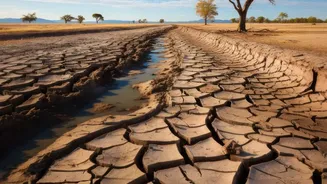
Low-water gardening, sometimes known as xeriscaping, is a landscaping philosophy designed to minimise water use without sacrificing beauty. It is not about creating a barren desert of rocks and cacti. Instead, it is a thoughtful approach that prioritises
plants naturally suited to a region's climate. The goal is to create a resilient, self-sustaining garden that thrives with minimal irrigation. By grouping plants with similar water needs, improving soil health to retain moisture, and using mulch, this method significantly reduces a household's water consumption. In a country like India, with its diverse climates and seasonal water scarcity, this approach is both practical and environmentally responsible.
More Than Just Saving Water
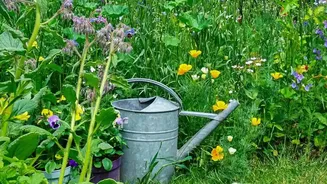
The most obvious benefit of a low-water garden is a lower water bill, but the advantages go much further. These gardens are remarkably low-maintenance. Once established, drought-tolerant plants are hardy and require less pruning, fertilising, and general care than their thirsty counterparts. This saves you time and money on upkeep. Environmentally, the benefits are significant. By choosing native plants, you provide a habitat and food for local pollinators like bees and birds, which boosts biodiversity. Reduced water runoff helps prevent soil erosion, and the minimal need for chemical pesticides and fertilisers protects our water quality. It is a gardening style that gives back to the local ecosystem.
Choosing Your Drought-Tolerant Champions
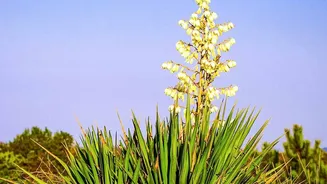
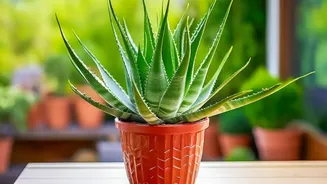
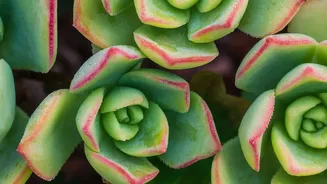
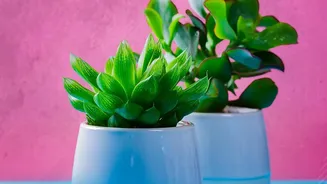
The heart of any low-water garden is its plants. The key is to select species that are adapted to thrive in dry conditions. For Indian homes, there is a wealth of options. Succulents like various species of Aloe and Agave offer dramatic shapes and textures. Hardy flowering perennials such as Lantana, Verbena, and Gaillardia provide vibrant, long-lasting colour without demanding constant watering. Ornamental grasses add movement and a soft, modern aesthetic. For fragrant options, consider planting Lavender or Rosemary. Bougainvillea is another classic, hardy choice that delivers a spectacular burst of colour with very little water once it's established. The trick is to research plants that are native or well-suited to your specific local climate.
Smart Design for a Thriving Garden
A successful low-water garden relies on intelligent design just as much as plant choice. Start by analysing your space to identify sunny, hot spots and cooler, shadier areas. Group plants with similar water and light requirements together—a practice called 'hydrozoning'. This ensures you are not overwatering one plant to satisfy another. Before planting, improve your soil by adding organic matter like compost. This helps the soil act like a sponge, retaining moisture for longer. Finally, apply a generous layer of mulch (such as wood chips or bark) around your plants. Mulch is a gardener's best friend; it suppresses weeds, keeps the soil cool, and dramatically reduces water evaporation from the surface.
Getting Started Without the Overwhelm
Transforming your entire garden can feel like a huge task, but you can start small. Begin with one section, perhaps a sun-baked strip along a driveway or a collection of pots on your balcony. Replace a small patch of high-maintenance lawn with a bed of attractive, drought-tolerant groundcover. Or, simply choose one or two new low-water plants to add to your existing setup. Even harvesting rainwater in a simple barrel can make a difference in your water usage. The journey to a low-water landscape is a marathon, not a sprint. Each small change contributes to a more sustainable and effortlessly beautiful outdoor space that aligns with modern environmental needs.