





First, What Exactly Is Podi?
Before we get to the pizza, let's talk about its game-changing topping: podi. A staple in South Indian homes, podi is a coarse, dry spice powder that is both a condiment and a flavour bomb. Its history is rich, with mentions dating back thousands of years
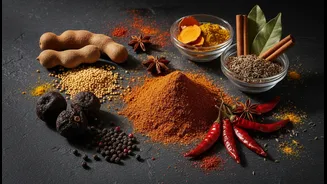
in ancient Tamil texts, highlighting its practicality as a long-lasting flavour enhancer. Though recipes vary from region to region and even family to family, most podis are made from a base of roasted lentils (like chana dal and urad dal), seeds, and an assortment of spices, with dried red chillies providing its signature kick. Often called 'gunpowder' for its explosive flavour, podi is traditionally mixed with ghee or sesame oil and served with idlis and dosas, adding a nutty, spicy, and textural element to the meal.
Pizza: The Global Canvas
Pizza, on the other hand, needs little introduction. Originating in Italy, it has become one of the most beloved and adaptable foods worldwide. From New York's foldable slices to Chicago's deep-dish pies, pizza has proven to be an incredibly versatile canvas for culinary creativity. Across India, it has been embraced and adapted with popular toppings like paneer tikka and tandoori chicken, showing that its cheesy, savoury base is open to exciting new flavour combinations. This willingness to evolve makes it the perfect partner for a bold ingredient like podi.
A Symphony of Crunch and Spice
So, why does this particular combination work so beautifully? It comes down to a perfect marriage of texture and flavour. The genius of podi lies in its composition. The roasted lentils, when ground, create a coarse, sandy texture that provides an addictive crunch. When sprinkled over a pizza, this crunch offers a delightful contrast to the soft, melted cheese and the chewy crust. Then comes the flavour. The roasting process of the lentils and seeds brings out deep, nutty, and umami notes. This earthiness is layered with the smoky heat of dried red chillies and the subtle complexity of other spices like cumin or curry leaves. This spice profile doesn't just sit on top of the pizza; it cuts through the richness of the cheese and the tang of the tomato sauce, creating a balanced and multi-layered bite. Every mouthful is a dynamic experience—first the cheesy pull, then the spicy warmth, followed by a satisfying nutty crunch.
More Than a Trend
While fusion food can sometimes feel gimmicky, the podi pizza feels like a thoughtful evolution. It represents a deeper trend in modern Indian cuisine: respecting traditional flavours while presenting them in new and exciting contexts. This isn't about simply mixing two cuisines randomly; it's about understanding what makes each element great and finding common ground. The use of a dry, powerful condiment to elevate a simple base is a concept shared by both Indian and Italian cooking. Just as Italians might use a sprinkle of Parmesan or chilli flakes to finish a dish, podi serves a similar purpose, but with a uniquely South Indian personality. It’s a pairing that makes sense on a fundamental culinary level, proving that this fusion is built to last beyond a fleeting trend.
How to Enjoy Podi Pizza
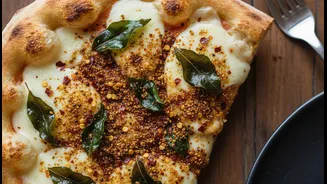
Curious to try it? Many modern pizzerias and cafes in India are now featuring podi pizza on their menus. Often, it's presented simply, with a generous dusting of podi over a classic mozzarella cheese pizza, perhaps with some onions or a drizzle of ghee. This allows the flavour of the podi to shine. For those feeling adventurous at home, it's an easy experiment. You can use a store-bought podi or make your own. A simple margherita pizza, either homemade or from a store, becomes an entirely new dish with a liberal sprinkle of podi before or after baking. Pair it with simple toppings that won't compete with the podi's complexity—think roasted vegetables, paneer, or even just extra cheese. Don't be afraid to experiment with different types of podi, like a fragrant curry leaf podi or a nutty peanut podi, to find your perfect match.