

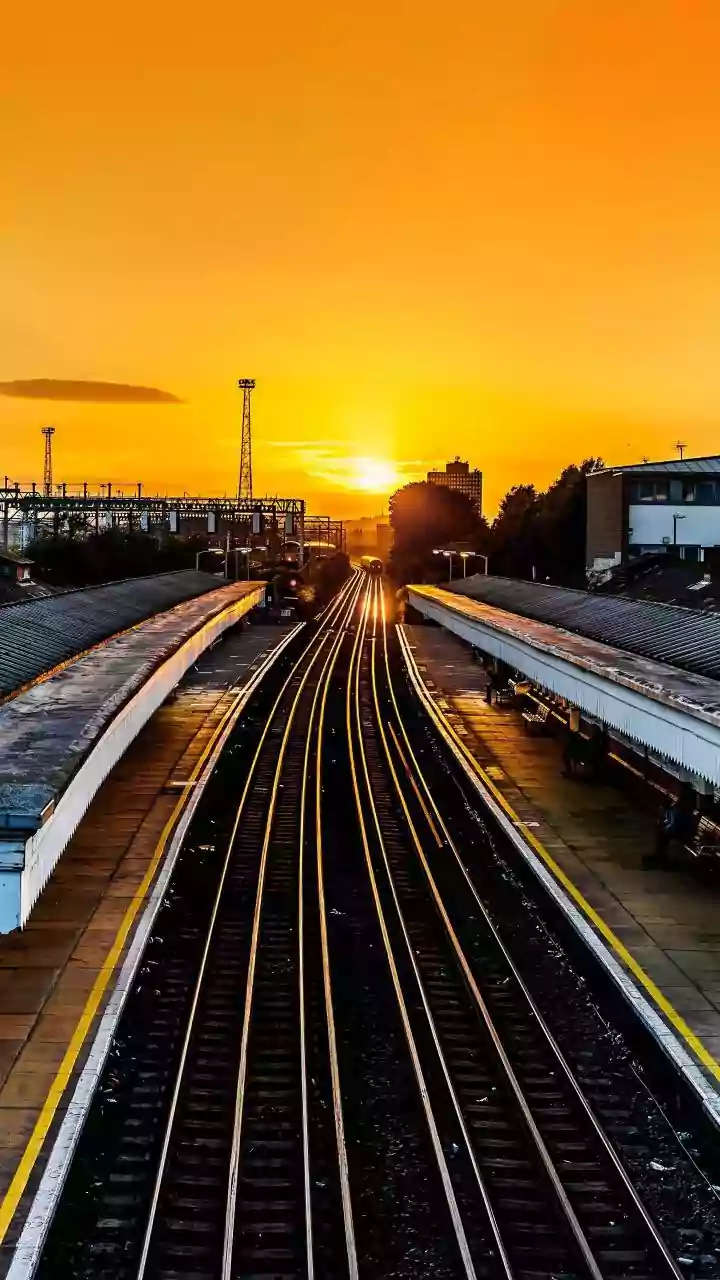




The Big Picture: A Network in Overdrive
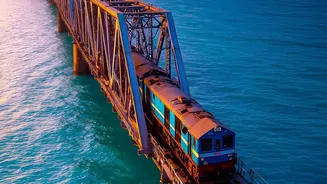
Gujarat is undergoing a significant railway transformation with dozens of projects worth tens of thousands of crores. This massive investment is not just about laying more tracks; it's a strategic move to enhance the state's logistical backbone. The projects include
building new lines, converting existing ones to broader gauges, and, most critically, doubling or even quadrupling tracks on busy routes. The goal is to create a high-capacity, efficient network that can handle the growing demands of both passengers and freight. This expansion aligns with national initiatives like the PM Gati Shakti National Master Plan, which aims to create integrated and seamless multi-modal connectivity across the country. With the entire broad gauge network in Gujarat already electrified, these new projects are planned to be electrified from the start, ensuring a sustainable and modern transportation system.
Powering Industry and Ports
A primary driver for this expansion is to supercharge Gujarat's industrial and trade capabilities. Many new projects are focused on improving connectivity to the state's major ports, such as Kandla and Mundra, as well as industrial zones. The doubling and quadrupling of lines, like the recently completed Samakhiali-Bhachau section, are designed to facilitate faster movement of goods like containers, petroleum products, and salt. This directly supports the Western Dedicated Freight Corridor (WDFC), a high-capacity freight-only railway line, significant portions of which run through Gujarat. The recent commissioning of WDFC sections provides direct connectivity to major ports, drastically reducing logistics costs and transit times for export-import cargo. This enhanced freight movement is a game-changer for Gujarat’s manufacturing and export-oriented businesses, making the supply chain more efficient and reliable.
Key Projects on the Map
Several high-impact projects are at the heart of this transformation. In the Kutch region, the doubling of the Adipur-Bhuj section was approved to handle rising traffic from new and ongoing projects in the area. Near Vadodara, work is set to begin on third and fourth lines to Ratlam, a major project to ease congestion on a vital corridor connecting Gujarat with Northern India. Another significant development is the proposed new broad-gauge line connecting Sarkhej to Dholera, aimed at serving the Dholera Smart City and its international airport. These projects, whether they involve adding new lines to connect remote tribal areas like the Jobat-Tanda line or doubling busy urban sections like Vishwamitri-Dabhoi, collectively aim to remove bottlenecks and expand the network's reach and capacity.
A Smoother Ride for Passengers
While freight is a major focus, passengers will also see significant benefits. The expansion directly translates to reduced congestion, which means fewer unscheduled halts and more punctual train services. Doubling projects, like the one on the Adipur-Bhuj section, are expected to enable the introduction of additional passenger train services, offering more travel options and convenience. The upgrades also pave the way for faster train travel between major cities. The completed Surendranagar-Rajkot doubling, for instance, has been a boon for connectivity in the Saurashtra region. Ultimately, this network-wide decongestion effort allows for more reliable and comfortable journeys, whether for daily commuters or long-distance travellers. The redevelopment of stations under the Amrit Bharat Station Scheme further complements these track upgrades by providing modern, world-class amenities for passengers.