




The Body's Chain Reaction
It’s easy to think of knee pain as a local problem, but your body works as a connected system. Poor posture, especially when sitting for hours, creates a domino effect. When you slouch, your spine curves into a 'C' shape, causing your pelvis to tilt backward.
This seemingly small shift changes the alignment of your entire lower body, from your hips down to your ankles. Your knees, caught in the middle, are forced to compensate for this imbalance, leading to unnatural strain and pressure distribution that they were never designed to handle.
Understanding Cartilage and Kneecap Stress
Inside your knee, the back of your kneecap (patella) is lined with smooth cartilage. This cartilage allows it to glide effortlessly within a groove on your thigh bone (femur) when you bend and straighten your leg. Prolonged sitting with bent knees, especially in a slouched position, compresses the kneecap against the femur. This sustained pressure can irritate the cartilage, a condition known as patellofemoral pain syndrome (PFPS), sometimes called 'runner's knee' or 'moviegoer's knee'. Over time, this constant, uneven stress can lead to wear and tear, inflammation, and that dull, aching pain you feel.
Muscle Imbalances: The Hidden Driver
Sitting for extended periods doesn't just affect your bones and joints; it rewires your muscles. When you sit, your hip flexors (at the front of your hips) and hamstrings (at the back of your thighs) become shortened and tight. Meanwhile, the muscles that are supposed to support your posture and knee alignment, like your glutes and quadriceps, can become weak and underactive. This imbalance pulls your kneecap out of its optimal track, increasing friction and stress on the cartilage every time you move. The result is pain that often appears not during sitting, but when you stand up, climb stairs, or squat.
Recognising the Warning Signs
The symptoms of posture-related knee stress are often subtle at first. You might notice a dull ache deep in the front of your knee after a long car ride or a day at your desk. It can also manifest as stiffness when you first stand up after being seated for a while. You may hear or feel a rubbing, grinding, or clicking sound when you bend and straighten your knee. This discomfort is a clear signal that the mechanics of your knee joint are being compromised. Ignoring these early warnings allows the underlying stress to continue, potentially leading to more significant joint issues down the road.
Small Changes for Big Relief
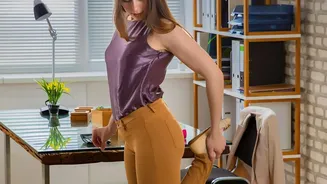
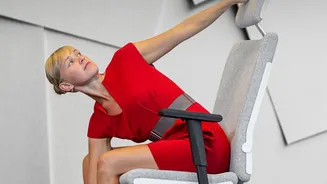
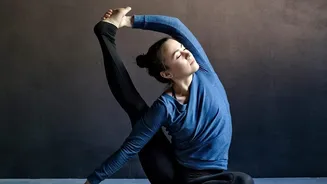
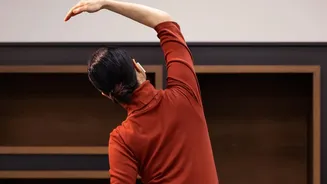
The good news is that you can combat this by being mindful of your habits. Start by adjusting your workspace for better ergonomics. Sit with your back supported, feet flat on the floor, and knees bent at a comfortable 90-degree angle. Your chair should be at a height where your hips are level with or slightly higher than your knees. Most importantly, break the cycle of prolonged sitting. Set a reminder to get up, stretch, and walk around for a few minutes every 30 to 60 minutes. Simple stretches for your hamstrings and hip flexors can also help counteract the tightening effects of sitting.