





The Shift to Conscious Consumption
The move towards sustainable rain accessories is part of a larger trend. Consumers, increasingly aware of environmental issues like plastic pollution, are demanding more from their products. The global sustainable fashion market is projected to grow significantly,
with some forecasts predicting it will expand from around USD 11 billion in 2026 to over USD 46 billion by 2040. This growth is fueled by a desire for items that are not only functional and stylish but also ethically made and environmentally friendly. Asia is emerging as the fastest-growing market for sustainable fashion, with consumers in countries like India becoming more conscious of their purchasing power. This isn't just about high fashion; it's about everyday choices and the understanding that even a simple umbrella or raincoat has an environmental footprint.
Decoding 'Sustainable' Rain Gear
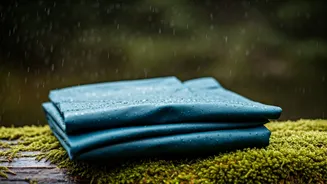
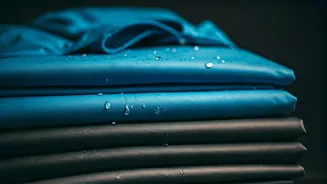
So, what makes a raincoat or umbrella sustainable? It primarily comes down to materials and manufacturing. Many brands are now using recycled polyester, known as rPET, which is made from post-consumer plastic bottles. This process gives waste a new life, diverts plastic from landfills and oceans, and reduces the need for virgin petroleum resources. Another key factor is the water-repellent coating. For decades, many waterproof garments have used per- and polyfluoroalkyl substances (PFCs), often called "forever chemicals" because they don't break down in the environment and have been linked to health concerns. The industry is now shifting towards PFC-free alternatives, which use silicon- or wax-based compounds to make water bead up and roll off the fabric. While these alternatives may require more care to maintain their performance, they represent a significant step forward for environmental safety.
The Reinvented Raincoat
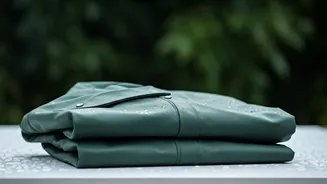
Today’s eco-conscious raincoat is a marvel of innovation. Brands are crafting stylish, durable jackets from materials like recycled polyester, with some coats using as many as 99 plastic bottles. These jackets often feature PFC-free waterproof finishes to keep you dry without harming the planet. Beyond the materials, the focus is on longevity. A truly sustainable item is one that lasts. Companies are encouraging this by offering repair programs or designing products for durability, directly countering the 'fast fashion' model of buying cheap, disposable items. By choosing a well-made raincoat from a brand committed to ethical production, consumers invest in a piece that will see them through many rainy seasons.
Umbrellas with a Purpose
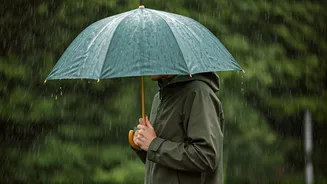
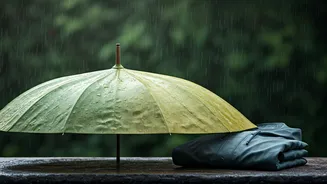
The humble umbrella is also getting a green makeover. Traditionally made from a mix of difficult-to-recycle metal and plastic, new designs focus on better materials. Canopies are increasingly made from rPET fabric, the same recycled material used in raincoats. Frames are being constructed from more sustainable options like recycled aluminum or renewable resources like bamboo. Bamboo is a particularly popular choice for handles; it's a fast-growing, renewable resource that is both strong and has a natural, premium feel. These small changes add up, transforming a typically disposable item into a durable accessory you can feel good about using.
Waterproof Boots That Tread Lightly
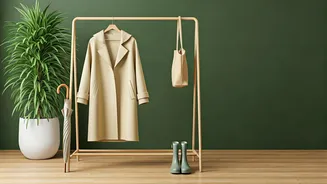
The completing the sustainable rain ensemble are eco-friendly boots. The focus here is on moving away from virgin plastics and towards natural or recycled rubber. Natural rubber, sourced from trees, is a renewable resource that provides the flexibility and waterproof qualities essential for rain boots. Many brands are also exploring recycled rubber options, further reducing waste. The goal is to create footwear that is not only effective at keeping your feet dry but also has a lower environmental impact throughout its lifecycle, from production to eventual disposal. By prioritizing materials and durability, brands are offering a new standard for what we put on our feet when the weather turns.