






What is Sattu?
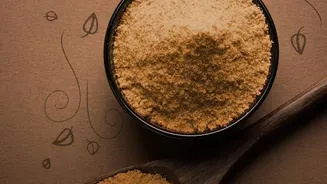
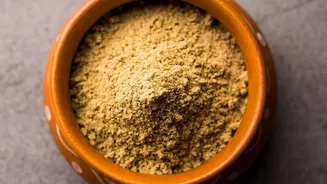
Long before protein powders became a global phenomenon, sattu was the original Indian powerhouse. It's a flour made from dry-roasted grains or pulses, most commonly Bengal gram (kala chana). This roasting process is key; it not only imparts a unique nutty
flavour but also locks in nutrients and makes it ready to consume without cooking. A staple in states like Bihar, Jharkhand, and Uttar Pradesh, sattu has been the go-to source of sustained energy for farmers and labourers for centuries. Traditionally mixed with water and spices to create a cooling sharbat or used as a filling in parathas and litti, its versatility is now being rediscovered.
The Nutritional Powerhouse
Sattu's reputation as a superfood is well-earned. It is incredibly nutrient-dense, boasting an impressive amount of high-quality plant-based protein—typically around 20-26 grams per 100g. This makes it a fantastic and affordable alternative to commercial protein supplements. Beyond protein, it is loaded with dietary fibre, which aids digestion, promotes a feeling of fullness, and helps maintain a healthy gut. Sattu also has a low glycemic index, meaning it releases energy slowly and prevents the sudden sugar spikes and crashes associated with many breakfast foods. It's also rich in essential minerals like iron, magnesium, and potassium, which support everything from muscle function to hydration.
From Traditional Drink to Modern Bowl
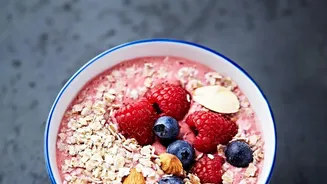
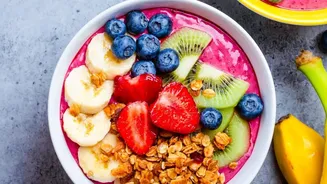
The classic sattu sharbat, whether sweet or salty, is a revered summer cooler known for its hydrating properties. However, the modern wellness movement has reimagined this versatile flour. Fitness enthusiasts and health-conscious foodies are now blending it into thick, creamy smoothie bowls. This format transforms sattu from a simple drink into a complete, satisfying meal. A smoothie bowl allows for the addition of other nutrient-dense ingredients like fruits, nuts, seeds, and yogurt, further boosting its nutritional profile and making it a more substantial breakfast to kickstart the day.
Crafting the Perfect Sattu Smoothie Bowl
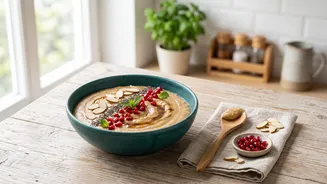
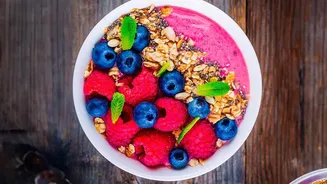
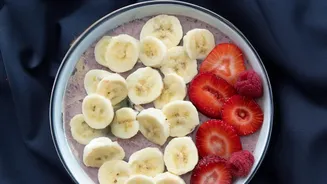
Creating a sattu smoothie bowl is simple and highly customizable. The goal is a thick, spoonable consistency. Start with a base of 2-3 tablespoons of sattu flour. Blend it with a liquid like milk, almond milk, or yogurt until smooth. For natural sweetness and creaminess, add a banana, some dates, or a touch of raw honey. A spoonful of peanut butter or a handful of soaked almonds can add healthy fats and more protein. Once you have your thick smoothie base, pour it into a bowl. The final step is the toppings, which add texture and nutrients. Fresh fruits like pomegranate seeds, berries, and sliced banana work well. For crunch, sprinkle on chia seeds, pumpkin seeds, or chopped nuts.
Why It's the Ideal Fitness Breakfast
For those focused on fitness, a sattu smoothie bowl checks all the right boxes for a post-workout or morning meal. The high protein content is crucial for muscle repair and growth. The complex carbohydrates provide sustained energy for the day ahead, while the high fibre content keeps you feeling full and satisfied, helping to prevent unhealthy mid-morning snacking. Unlike many processed breakfast cereals and sweetened yogurts, a homemade sattu bowl contains no artificial additives or refined sugars. It's a clean, whole-food meal that aligns perfectly with a healthy and active lifestyle, blending ancient Indian wisdom with modern nutritional science.