






Why Mumbai Is At Risk
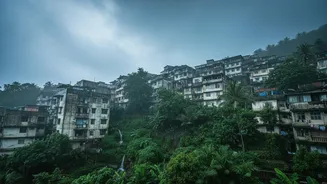
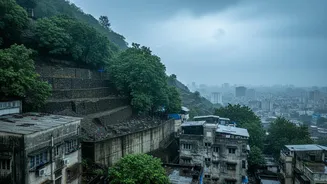
Mumbai's unique geography, a combination of coastal plains and hilly terrain, creates a natural vulnerability to landslides. During the monsoon, intense and prolonged rainfall saturates the soil and rock on these slopes. This added weight reduces the internal
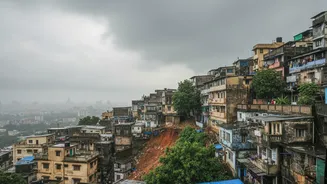
strength of the ground, leading to sudden and often catastrophic collapses. The risk is significantly amplified by human factors. Unchecked construction, encroachment on hilly areas for housing, deforestation, and the cutting of slopes to create space disrupt the natural stability of the land. Poorly managed drainage and blocked 'weep holes' in retaining walls can cause water pressure to build up, turning a stable slope into a potential disaster zone. Experts note that this combination of intense rain, altered landscapes, and dense population makes landslides a recurring and dangerous urban problem.
Know The Vulnerable Zones
The Brihanmumbai Municipal Corporation (BMC) and the Geological Survey of India (GSI) have identified numerous landslide-prone areas across the city. Reports indicate over 249 such locations exist, with many classified as vulnerable or highly vulnerable. The eastern suburbs, which are densely populated with informal settlements on steep terrain, contain the highest number of these zones. Areas repeatedly flagged as high-risk include Kurla, Ghatkopar, Bhandup, Vikhroli, Chembur, and Mulund. Specifically, the Vikhroli-Bhandup belt has been noted for having a large number of danger sites. Even though authorities issue notices advising relocation, many residents feel they have no choice but to stay due to proximity to jobs and schools. It's crucial for residents in these and surrounding areas to remain on high alert throughout the monsoon.
Warning Signs You Can See and Hear
Landslides often provide warning signs before they occur. Being vigilant can provide the crucial time needed to evacuate. Look for physical changes on the ground and around your property. New cracks appearing in soil, retaining walls, foundations, or paved areas are a major red flag. Other visual cues include bulging ground at the base of a slope, tilting trees, fences, or utility poles, and doors or windows that suddenly begin to stick or jam for the first time. Pay attention to water-related signs, such as new springs or seepages on a slope where water didn't flow before, or a sudden change in stream clarity from clear to muddy. Unusual sounds are another critical indicator. Listen for faint rumbling noises that increase in volume, or the sound of trees cracking or boulders knocking together, which might signal moving debris.
Create Your Monsoon Safety Plan
If you live in a designated risk zone, preparation is your best defence. Before the monsoon intensifies, create a family emergency plan. This should include identifying safe evacuation routes and designating a meeting point. Prepare an emergency kit with essentials like a torch, first-aid supplies, non-perishable food, drinking water, and important documents in a waterproof bag. The BMC often issues warnings and appeals for residents in the most vulnerable spots to relocate to temporary shelters. Heed these warnings seriously. During a period of intense rainfall, stay alert. Listen to local news for weather updates and official advisories. If you believe there is an immediate risk, do not wait for official orders. Evacuate to a safer location, moving away from the path of a potential slide. Remember to run to the side (laterally), as landslides move downhill much faster than a person can run.
What To Do and Who To Call
In the event of a landslide, your immediate actions can save lives. If you are inside a building, move to the side of the house that is furthest from the approaching slide and get under a strong piece of furniture like a kitchen counter or sturdy table. If the building has a second storey, go upstairs. Do not stay on the ground floor on the side of the home facing the hill. If caught outdoors, run to the nearest high ground or stable area, staying away from the direct path of the debris flow. The BMC's disaster management cell can be reached at the emergency number 1916. Keep this and other local emergency numbers readily available. The BMC, police, fire brigade, and National Disaster Response Force (NDRF) teams are the primary responders. Following their instructions during an emergency is crucial for your safety.