





The Psychology of Frictionless Spending
Before diving into new habits, it's crucial to understand why UPI makes overspending so easy. Behavioral economics calls it the 'pain of paying'—the psychological discomfort we feel when parting with physical cash. [4] Digital payments, by being nearly
invisible and instant, remove this friction. [2, 4, 7] A quick scan and a PIN entry don't feel the same as handing over crisp banknotes, which makes the financial consequence feel less real. [2, 13] Studies have shown this can lead to people spending significantly more than they would with cash. [4] This phenomenon, sometimes called 'Spendception', explains how the lack of physical exchange and immediate tactile feedback can lead to impulse buys and a weakened sense of spending control. [2, 6]
Track Every Rupee, Religiously
The single biggest mistake with UPI is not tracking where the money goes. [3] Those seemingly small payments for chai, auto rides, or a quick snack add up silently and can derail a monthly budget. [3, 13] Make it a non-negotiable habit to review your UPI transaction history at least once a week. Many UPI apps have built-in expense trackers that categorize your spending, helping you visualize your financial patterns. [10] For more detailed analysis, you can use dedicated budgeting apps that read your transaction SMS alerts or allow you to import statements. [5, 15, 16] The simple act of awareness is often the first and most powerful step toward changing behavior. [14]
Create a Separate 'UPI-Only' Bank Account
One of the most effective strategies is to create a structural barrier to overspending. [17] Instead of linking your primary salary account to UPI, open a separate, possibly zero-balance, digital savings account. [9, 19] At the start of each month, transfer a fixed discretionary budget—the money you've allocated for food, entertainment, and other variable spends—into this account. [9] Link your UPI apps exclusively to this account. Once the balance runs out, your UPI payments will simply stop working, effectively enforcing your budget for you without relying on willpower alone. [9, 14] This keeps your main savings and salary untouched and safe from impulsive daily spending. [17]
Use 'Pay Later' and UPI on Credit with Extreme Caution
Many UPI apps now offer the ability to link credit cards, providing another layer of seamless spending. [3] While convenient, this can be a dangerous trap, encouraging mindless spending with money you don't currently have. [3] Falling behind on credit card payments linked to UPI can lead to staggering interest rates, quickly accumulating into significant debt. [3] The rule of thumb should be to stick to your debit account for everyday UPI transactions. [3] Use the credit option only for planned purchases where you are certain you can pay off the full balance before the due date. [3, 12]
Set Daily and Per-Transaction Limits
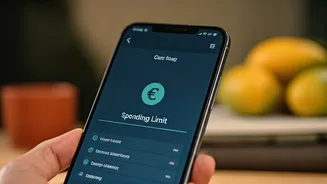
Your bank and UPI apps are equipped with safety features that you can use to your advantage. Most banking apps allow you to set your own daily and per-transaction limits for UPI payments. [19, 22] If you find yourself consistently overspending, log in to your banking app and lower your daily UPI limit to a more reasonable amount. [19] This creates a hard stop that forces you to be more intentional with your purchases. Some apps also offer UPI Lite, a wallet with a pre-set limit for small-value transactions, which is another excellent way to cap your micro-spending on daily essentials. [17, 19]
Always Pause and Verify Before Paying
Rushing through payments can lead to costly mistakes, like sending money to the wrong UPI ID. [3, 18] Unlike some other payment methods, UPI transactions are often irreversible once successful. [3, 18] Cultivate the habit of taking two extra seconds to double-check the recipient's name and details before entering your PIN. [3] This brief pause does more than just prevent errors; it provides a moment for your brain to catch up and question an impulse purchase, re-introducing a tiny bit of the friction that digital payments remove. [7] Similarly, never enter your PIN to *receive* money, as this is a common tactic used in scams. [13]