



From Restriction to Reframing
For years, the advice around festive eating has been about restriction and avoidance. This often creates a cycle of guilt: you either deprive yourself and feel you are missing out, or you indulge and feel bad afterwards. Portion awareness offers a refreshing
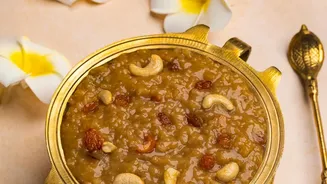
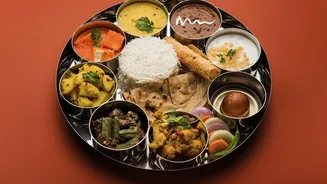
alternative. It’s not about banning your favourite gulab jamun or samosa. Instead, it’s a mindset shift towards moderation and mindful enjoyment. The goal is to savour the foods you truly love, but in quantities that respect your body’s needs. By focusing on smaller servings, you can taste a variety of dishes without feeling uncomfortably full. This approach allows you to participate fully in the cultural and social joy of food, transforming it from a source of anxiety into one of genuine pleasure.
Your Plate, Your Strategy
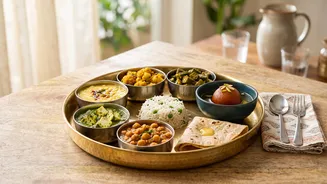
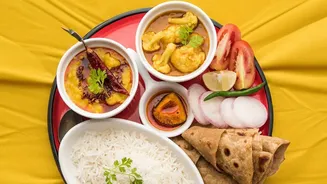
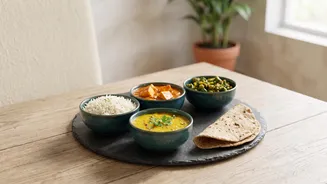
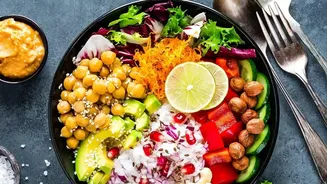
One of the most effective tools for portion awareness is the plate itself. Nutrition experts suggest a simple but powerful strategy: use smaller plates. A smaller plate creates the visual illusion of a full meal, which can trick your brain into feeling satisfied with less food. Another popular technique is the 'plate method'. Fill half of your plate with vegetables or a fresh salad. These high-fibre options help you feel full and provide essential nutrients. Dedicate one-quarter of the plate to protein—like dal, paneer, or lean meats—and the final quarter to carbohydrates like rice or roti. When it comes to sweets and fried snacks, the rule is to choose quality over quantity. Pick one or two of your absolute favourites and enjoy them slowly, rather than mindlessly sampling everything on offer.
Tune Into Your Body’s Wisdom
Our bodies have an innate intelligence for knowing when we are hungry and when we are full. The hustle and bustle of festivities can make it easy to ignore these signals. Mindful eating is the practice of paying full attention to the experience of eating. It takes approximately 20 minutes for your stomach to signal to your brain that it's full. By eating slowly, putting your fork down between bites, and truly savouring the flavours and textures, you give your body a chance to catch up. Staying hydrated is another key component. Often, our bodies mistake thirst for hunger. Drinking a glass of water before a meal or between snacks can help manage cravings and prevent overeating. This practice isn't about control in a restrictive sense; it's about being in conversation with your body.
Navigating the Social Feast
In Indian culture, offering food is a primary love language, and refusing it can feel complicated. The pressure from a well-meaning aunt or host to have ‘just one more’ is a familiar scenario. However, there are polite ways to decline without causing offence. One simple and effective phrase is, “It was delicious, but my stomach is full.” This communicates appreciation for the food while setting a clear boundary. Another strategy is to serve yourself smaller portions to begin with, which signals that you are participating in the meal but managing your intake. Eating slowly and keeping your plate looking active can also discourage repeat offers. Remember, the host's primary intention is care, and a warm compliment about the dish can often redirect the conversation and ease the pressure.