






The Policy Shift Powering the Boom
The catalyst for this transformation is a major policy overhaul. The Indian Space Policy 2023 officially opened the doors for private companies to participate in end-to-end space activities. This policy, along with the establishment of the Indian National
Space Promotion and Authorisation Centre (IN-SPACe), created a clear framework for non-governmental entities to build and launch rockets, own and operate satellites, and sell their services. IN-SPACe acts as a single-window agency, streamlining approvals and giving private players access to ISRO's world-class facilities. This has unleashed a wave of innovation, with the number of space startups growing from a handful in 2020 to over 400 today. The government has also established a venture capital fund to further boost this growing ecosystem, aiming to increase India's share of the global space economy from 2-3% to 8% by 2033.
Beyond Rockets: The Downstream Data Gold Rush
While rockets and satellites grab headlines, one of the fastest-growing areas for new careers is in the downstream sector: using the data collected from space. Companies are building businesses around analysing satellite imagery to provide insights for agriculture, disaster management, urban planning, and climate change monitoring. This has created a surge in demand for satellite data scientists, geospatial analysts, and remote sensing experts who can turn raw data into actionable intelligence. For example, satellite data can help farmers monitor crop health, insurance companies assess flood damage, or governments plan infrastructure development. This burgeoning data market requires skills in AI, machine learning, and big data technologies, opening doors for tech professionals outside of traditional aerospace engineering.
Building the Fleet: Manufacturing and Launch
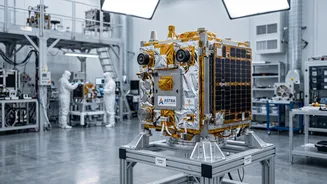
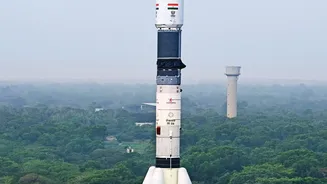
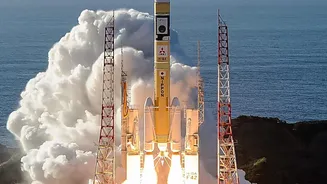
The rise of private space ventures has ignited a new wave of opportunities in hardware and manufacturing. Companies like Skyroot Aerospace, which successfully launched its Vikram-1 rocket, and Agnikul Cosmos are pioneering privately developed launch vehicles. This creates jobs for aerospace, mechanical, and avionics engineers who design and build these complex machines. But the ecosystem extends far beyond just the rocket builders. A whole network of ancillary businesses is emerging to supply critical components, from propulsion systems and electronics to specialised alloys and software. This stimulates the broader manufacturing sector, aligning with the 'Make in India' initiative and creating roles in everything from precision engineering to quality control and supply chain management.
The New Professionals of the Space Age
The modern space industry isn't just for rocket scientists. As the sector becomes more commercial and crowded, new and diverse professional roles are becoming critical. Space lawyers and policy advisors are needed to navigate the complex web of international treaties and national regulations. With satellites and ground stations becoming vital infrastructure, space cybersecurity analysts are in demand to protect these assets from digital threats. The growth of private companies also creates a need for business-focused roles like bid managers, systems analysts, and even visual designers to communicate their vision. This diversification means that individuals with backgrounds in law, finance, security, and communications now have a clear pathway into one of the nation's most exciting industries.