




A Shift Towards Mindful Celebrations
In recent years, the events industry has faced a reckoning. With reports highlighting its significant carbon footprint, a powerful movement towards sustainability has emerged. Organisers and attendees alike are now seeking experiences that are not only
memorable but also mindful of their environmental impact. This shift is reshaping everything from waste management and transport to the very look and feel of festival grounds. The focus has turned to reducing single-use plastics and favouring materials that are reusable, biodegradable, and locally sourced. This conscious choice is not about compromising on beauty; instead, it’s about finding it in authenticity, tradition, and a deeper connection to the planet.
Terracotta: The Soul of the Earth
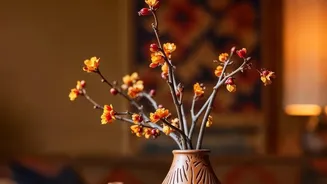
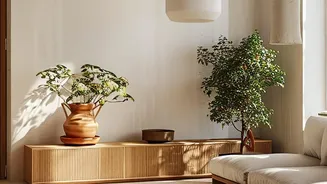
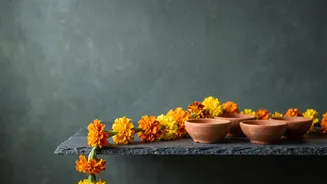
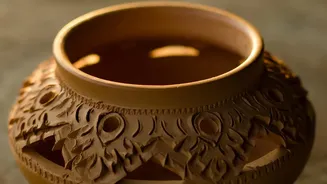
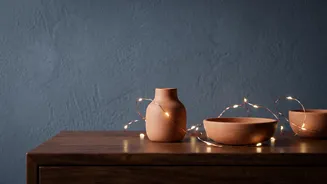
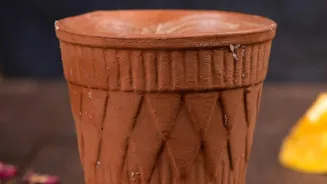
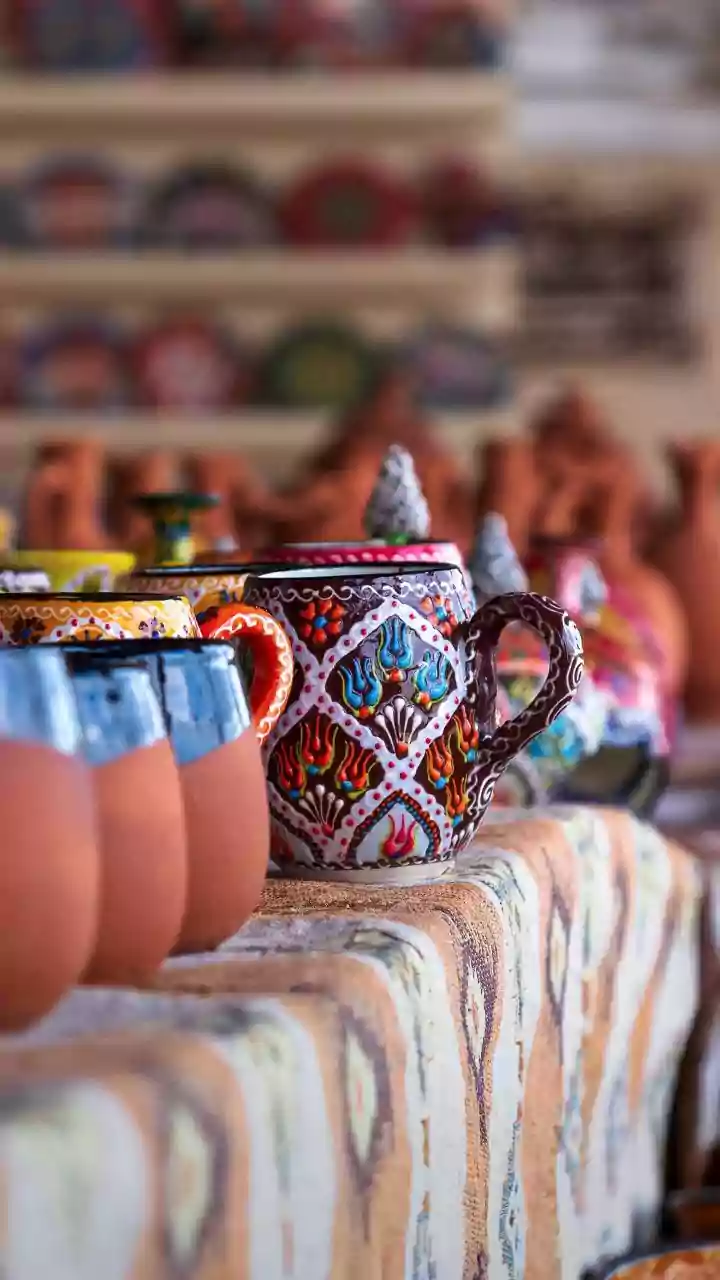
At the heart of this eco-decor trend is terracotta, which translates from Italian as "baked earth". This humble material is finding a powerful resurgence in modern design for good reason. Made from natural clay, terracotta is biodegradable, meaning it returns to the earth without causing pollution. Unlike plastic, its production process is low-energy and free of harmful chemicals. Beyond its green credentials, terracotta brings a raw, rustic warmth that resonates deeply. Its use in everything from water pots and diyas to decorative sculptures connects modern events to a timeless, earthy aesthetic. This also supports a circular economy, as purchasing these crafts often sustains local artisans and keeps ancient skills alive.
A Revival of Indian Craftsmanship
The embrace of terracotta is part of a larger revival of traditional Indian handicrafts in event decor. Designers are increasingly turning to materials like bamboo, jute, and upcycled fabrics to create stunning, sustainable installations. This movement is a direct response to the era of mass-produced, machine-made goods, showing a renewed appreciation for items with a human touch. By incorporating hand-woven baskets, block-printed textiles, and hand-painted elements, festivals become showcases for India's rich craft heritage. This not only provides crucial employment for artisan communities but also infuses spaces with a sense of authenticity and cultural identity that synthetic materials simply cannot replicate.
The Magic of a Warm Ambient Glow
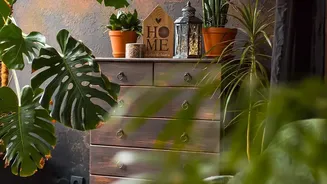
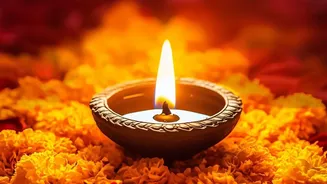
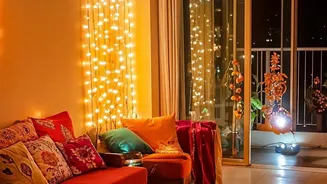
The second key element is the shift away from harsh, cool lighting towards a warm, ambient glow. Psychologically, warm-toned light with a yellow or orange hue fosters a sense of comfort, intimacy, and relaxation. It makes spaces feel cosy and welcoming, encouraging guests to connect and linger. From a sustainability standpoint, this aesthetic is often achieved using energy-efficient LED lights, which consume significantly less power. Lanterns made from paper or repurposed glass jars, combined with the gentle flicker of traditional diyas, create a magical atmosphere that is both visually soft and environmentally light. This approach reduces energy consumption and light pollution, allowing the natural beauty of the evening to become part of the experience.
Creating a Complete Sensory Experience
Ultimately, the combination of natural terracotta and warm lighting is about more than just individual elements; it’s about creating a holistic and immersive atmosphere. The earthy texture and reddish tones of the clay complement the soft, golden light, creating a cohesive and inviting environment. This pairing engages multiple senses, grounding guests in a space that feels both natural and thoughtfully curated. It moves beyond mere decoration to become a form of storytelling, speaking of tradition, sustainability, and a return to simpler, more meaningful ways of gathering. The result is a festival that not only looks beautiful but feels fundamentally different—calmer, more connected, and in harmony with its surroundings.