



Hampi: Days 1 and 2 - Immersed in History
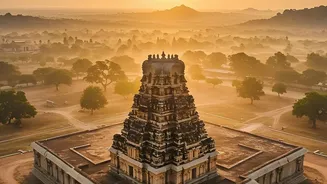
Begin your journey in Hampi, a UNESCO World Heritage site. The best way to navigate the sprawling ruins is to hire a scooter or an auto-rickshaw for the day. Spend your first day exploring the main cluster of monuments. Start at the Virupaksha Temple,
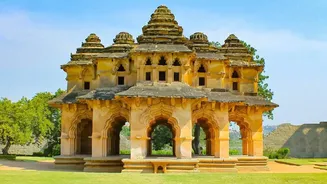
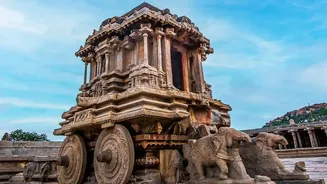
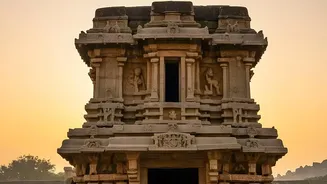
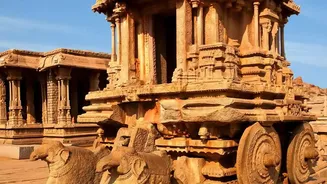
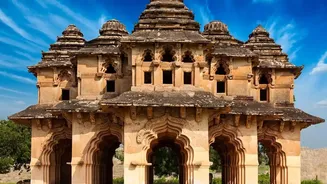
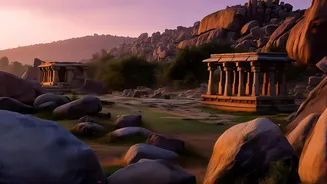
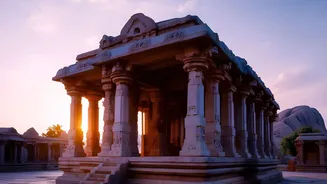
an active place of worship, and then wander through the Hampi Bazaar. Cover the nearby Sasivekalu Ganesha and Kadalekalu Ganesha monolithic statues. In the afternoon, head to the magnificent Vijaya Vittala Temple, famous for its stone chariot and musical pillars. On your second day, delve into the Royal Centre. Key sites include the Lotus Mahal, the Elephant Stables, the Queen's Bath, and the Hazara Rama Temple. End your day with a sunset view from Hemakuta Hill, which offers a panoramic vista of the ruins.
Hampi: Day 3 - The Other Side of the River
Cross the Tungabhadra River for a different Hampi experience. The area often called 'Hippie Island' (though the main bazaar has shifted) has a more relaxed vibe. Here you can visit the Anjanadri Hill, believed to be the birthplace of Lord Hanuman; the climb offers breathtaking views of the boulder-strewn landscape. Enjoy a coracle ride, a small, round traditional boat, on the river for a unique perspective. You can also explore places like the Durga temple and Sanapur Lake, known for its serene waters and cliff jumping spots. This side of Hampi provides a wonderful contrast to the monumental core, with its paddy fields and laid-back cafes.
The Journey from Hampi to Gokarna
Transitioning from history to the coast is an integral part of the plan. The most common and convenient way to travel from Hampi to Gokarna is by an overnight bus. Several private operators run direct sleeper buses, which typically take about 7 to 8 hours. This allows you to save on a night's accommodation and wake up fresh in the coastal town. You can book these buses from Hospet, the nearest major town to Hampi. Driving is also an option, taking around 5 to 6 hours, offering more flexibility but at a higher cost. It's advisable to book your bus tickets in advance, especially during peak season, to ensure a smooth journey.
Gokarna: Day 4 - Beach Hopping and Coastal Treks
Arrive in Gokarna and check into your accommodation. The town is famous for its beautiful beaches, each with a distinct character. A popular activity is the beach trek that connects several of them. Start at the crescent-shaped Kudle Beach, a great spot to relax and have breakfast at one of its many shacks. From there, you can trek over a hill to Om Beach, named for its natural shape resembling the 'Om' symbol. It's a hub for water sports and cafes. For a more secluded experience, continue your trek to Half Moon Beach and Paradise Beach, which are smaller and offer a sense of tranquility.
Gokarna: Day 5 - Spiritual Heart and Departure
On your final day, explore the spiritual side of Gokarna. The town is a significant pilgrimage site, often called the 'Kashi of the South'. Visit the ancient Mahabaleshwar Temple, dedicated to Lord Shiva and featuring classic Dravidian architecture. It houses the revered Atma Linga. Tradition suggests visiting the nearby Maha Ganapati Temple first. Afterward, spend some time at the main Gokarna Beach before planning your departure. Gokarna is well-connected by bus to major cities, and the Gokarna Road railway station is about 8 km from the town, providing further travel options.
Essential Tips for Your Trip
The best time to visit both Hampi and Gokarna is from October to March, when the weather is pleasant and ideal for sightseeing. Summers can be extremely hot in Hampi. Accommodation options are plentiful in both locations, ranging from budget guesthouses and hostels to upscale resorts. In Hampi, you can choose to stay near the Hampi Bazaar for easy access to monuments or across the river for a more tranquil experience. In Gokarna, options include stays near the main town or shacks right on the beaches like Kudle or Om. Pack light cotton clothes, comfortable walking shoes, sunscreen, and a hat. Remember to be respectful when visiting temples.