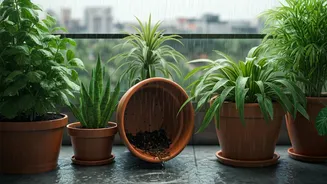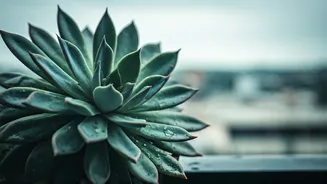



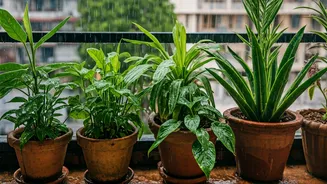


Why Monsoon Humidity is the New Water
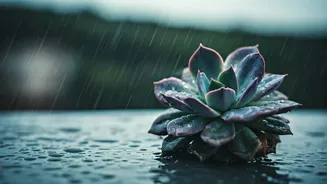
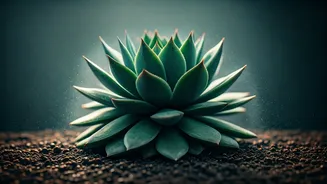
Succulents are desert natives, brilliantly adapted to store water in their fleshy leaves and stems to survive drought. [3, 23, 24] This incredible resilience, however, becomes a vulnerability in the high humidity of the Indian monsoon. [3, 9] When the air
is saturated with moisture, the soil evaporates moisture much more slowly. [4, 5] More importantly, some succulents can absorb a small amount of moisture from the air itself. [6, 20] In a humid environment, it’s as if the plant is being watered constantly, even if you haven't picked up a watering can in weeks. This double-whammy of wet soil and damp air creates the perfect storm for the number one killer of succulents: root rot. [2, 9]
Signs of Distress: How to Spot Overwatering
Your succulents will give you clear signals if they are getting too much moisture. The most common sign of overwatering is not wilted, dry leaves, but the opposite. Leaves may become soft, mushy, and translucent as their water-storing cells swell and burst. [13, 16, 17] They might turn yellow or black, starting from the bottom of the plant and moving up. [13, 22] An overwatered succulent may also drop its leaves at the slightest touch. [17, 18] If you notice these symptoms, or a foul odour from the soil, it's a critical sign that the roots are decaying. [13] At this point, immediate action is required to save the plant.
The 'Don't Water' Rule and How to Apply It
During peak monsoon, you might only need to water your succulents once every 14 to 28 days, or potentially not at all, depending on your balcony's exposure to rain and humidity. [2, 4] The golden rule is the “soak and dry” method, but adapted for the season. [5] Before even thinking about watering, check the soil. The most reliable test is to insert a finger or a dry toothpick about two inches deep. [2, 8] If it comes out with any hint of moisture or damp soil clinging to it, do not water. Wait until the soil is completely and utterly dry from top to bottom. [8, 12] For many balcony gardens in humid cities, this means you will not water for weeks on end, and that's perfectly okay. Neglect is better than over-attentiveness in the rainy season. [4]
Essential Monsoon Care Beyond Watering
Halting watering is the main step, but other adjustments will help your succulents thrive. Firstly, ensure impeccable drainage. Use pots with drainage holes, preferably terracotta, which is breathable. [9, 14] If your pots are in saucers, empty any collected water immediately. [8, 11] Secondly, improve air circulation. Good airflow helps evaporate excess moisture from the soil and around the leaves. [7, 9, 12] If your balcony is enclosed, you might even consider using a small fan for a few hours a day. [9] Also, move your plants under a covered part of the balcony to protect them from direct, heavy rainfall which can damage their delicate leaves. [8, 12] Finally, keep the area clean by removing any dead or fallen leaves from the pot, as they can trap moisture and encourage fungal growth. [7, 8]
Are There Any Exceptions?
While the 'no-watering' rule is a strong guideline, there are a few exceptions. Very young plants or newly propagated cuttings with underdeveloped root systems may need a very slight amount of water to get established. Certain succulent varieties are more tolerant of moisture than others; for example, some Aloes and Haworthias may handle humidity better than delicate Echeverias. [19] If your balcony is unusually well-ventilated and shielded from humidity, your soil may dry out faster. The key is not to follow a rigid schedule but to observe your specific plants and their environment. Always let the soil be your guide. When in doubt, always err on the side of underwatering. A thirsty succulent will look a bit shrivelled but will bounce back quickly once watered, whereas a rotted succulent is often beyond saving. [16, 18]