





Your Body's Internal Clock
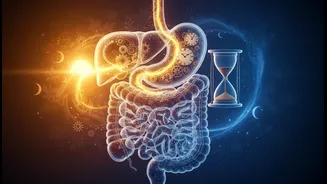
Deep inside our bodies, a master clock is ticking. Known as the circadian rhythm, this 24-hour cycle governs everything from our sleep-wake patterns to hormone release and, crucially, our digestion. This internal schedule is primarily influenced by light
and darkness, but food is another powerful cue. Our digestive system, including the production of enzymes and gut motility, is programmed to be most active and efficient during the daytime. As evening approaches, these processes naturally begin to slow down as the body prepares for a period of rest and repair during sleep. When we eat late at night, we are essentially asking our digestive system to perform a demanding task when it is winding down, which can lead to a cascade of issues.
What the Science Says About Late Meals
The field of chrononutrition—the study of how meal timing affects health—is providing fascinating insights. Several studies show that eating late can disrupt our metabolism. For instance, the same meal consumed in the evening can cause a greater spike in blood sugar than if it were eaten earlier in the day. This is because our insulin sensitivity, the body's ability to efficiently use glucose from our bloodstream, is higher in the morning and decreases throughout the day. Research also links late eating patterns with higher levels of triglycerides (a type of fat in the blood) and potential long-term risks for metabolic conditions like obesity and type 2 diabetes. One study found that people who ate later in the day reported feeling hungrier and had higher levels of hormones that stimulate appetite, potentially creating a cycle of overeating. A high-fat meal has been shown to raise triglycerides more at night than the same meal consumed earlier.
The Link to Digestive Discomfort
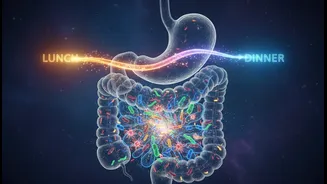
Anyone who has woken up with heartburn after a late, heavy dinner understands this connection intuitively. Lying down soon after eating can increase the risk of acid reflux, as gravity is no longer helping to keep stomach acid down. But the issues go deeper. At night, the digestive system is supposed to enter a 'housekeeping' mode, with waves of contractions cleaning out the intestines. A late meal interrupts this essential cleaning process because the system is forced back into 'food processing' mode. This can disrupt the delicate balance of our gut microbiome, the community of trillions of microbes living in our digestive tract. An imbalanced gut has been linked to a wide range of health issues, well beyond simple indigestion.
The Benefits of an Earlier Dinner
Shifting your largest meal to earlier in the day, a practice sometimes called early time-restricted feeding (eTRF), appears to offer several benefits. Studies on eTRF suggest it can improve blood sugar control, reduce blood pressure, and help with weight management. Participants in some studies not only lost more weight but also reported feeling less hungry. By eating in sync with the body's natural rhythms, you allow your digestive system to work at peak efficiency. This means nutrients are likely to be absorbed and metabolised more effectively, rather than being stored as fat. It also gives your body a proper fasting window overnight, allowing it to focus on cellular repair and recovery processes that are crucial for long-term health.
Making the Shift: Practical Tips
In the context of Indian family life and work schedules, eating dinner by 6 p.m. can feel unrealistic. The goal isn't to adopt an impossibly rigid schedule, but to make gradual, sustainable changes. Start by aiming to finish your last meal at least two to three hours before you go to bed. If your family eats at 9:30 p.m., try shifting it to 9 p.m. for a week, then 8:30 p.m. The key is consistency. Try to make your dinner lighter than your lunch, following the old adage: 'Breakfast like a king, lunch like a prince, and dinner like a pauper.' If you feel hungry later in the evening, opt for a small, easily digestible snack like a banana or a small handful of nuts rather than a full, heavy meal. The most important step is simply to become more mindful of not just what you're eating, but when you're eating it.