





The Green Prescription for a Stressed Mind
The feeling of being overwhelmed by urban life is a shared experience for many. The constant noise, traffic, and concrete can take a toll on our mental health. However, a growing body of scientific evidence confirms what we intuitively feel: spending
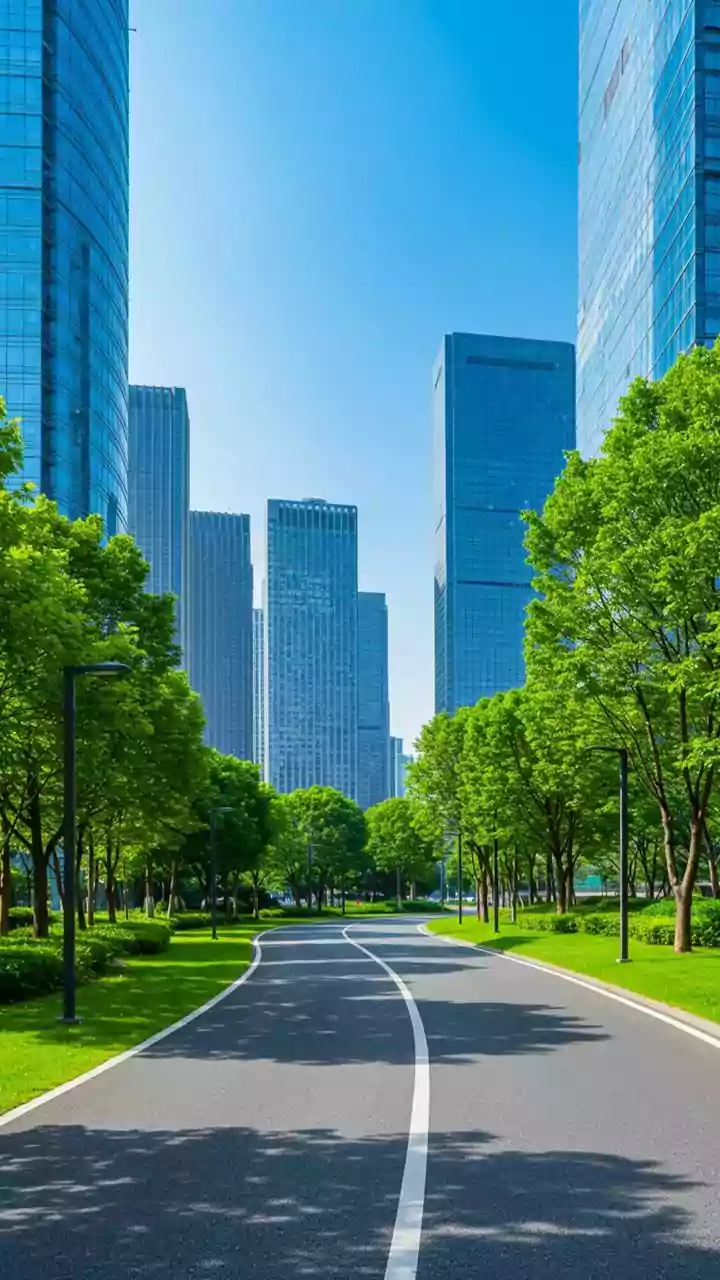
time in nature is profoundly good for us. Studies have shown that even a 20-minute visit to a park can significantly lower levels of cortisol, the body's primary stress hormone. This phenomenon, sometimes called 'nature therapy', is rooted in our innate connection to the natural world. Exposure to green environments allows our minds to take a break from the intense focus demanded by city living, reducing mental fatigue and helping to alleviate symptoms of anxiety and depression. Parks act as a 'green prescription', offering psychological restoration and a quiet space for reflection amidst the chaos.
More Than Just a Morning Walk
While the simple presence of greenery is beneficial, the opportunities for physical activity in parks amplify their stress-busting power. Exercise is a well-known mood booster, releasing endorphins that create feelings of happiness and well-being. Parks make this accessible to everyone. Whether it’s a brisk walk on a designated path, a jog under a canopy of trees, a session of outdoor yoga, or joining a group fitness class, green spaces encourage movement. Research indicates that physical activity performed in a natural setting has a stronger positive effect on mental health than exercising indoors. Cities are increasingly recognizing this, with revived parks often featuring new amenities like synthetic jogging tracks, outdoor gyms, and dedicated play areas that motivate residents of all ages to get active.
Finding Your Tribe Among the Trees
Urban loneliness is a growing public health concern, but parks provide a natural remedy by serving as vital 'third places'—locations outside of home and work where community is built. They are inclusive, neutral grounds where people from all walks of life can connect. From senior citizens gathering for their morning laugh-a-thon to parents connecting at the playground, these informal social interactions foster a sense of belonging and reduce isolation. In many Indian cities, parks are hubs for cultural events, hobby groups like the Gariahat Chess Club in Kolkata, and community-led activities that strengthen social bonds. By providing a shared space for recreation and relaxation, parks nurture a collective identity and sense of ownership, making neighborhoods feel safer and more connected.
A Blueprint for Urban Oases in India
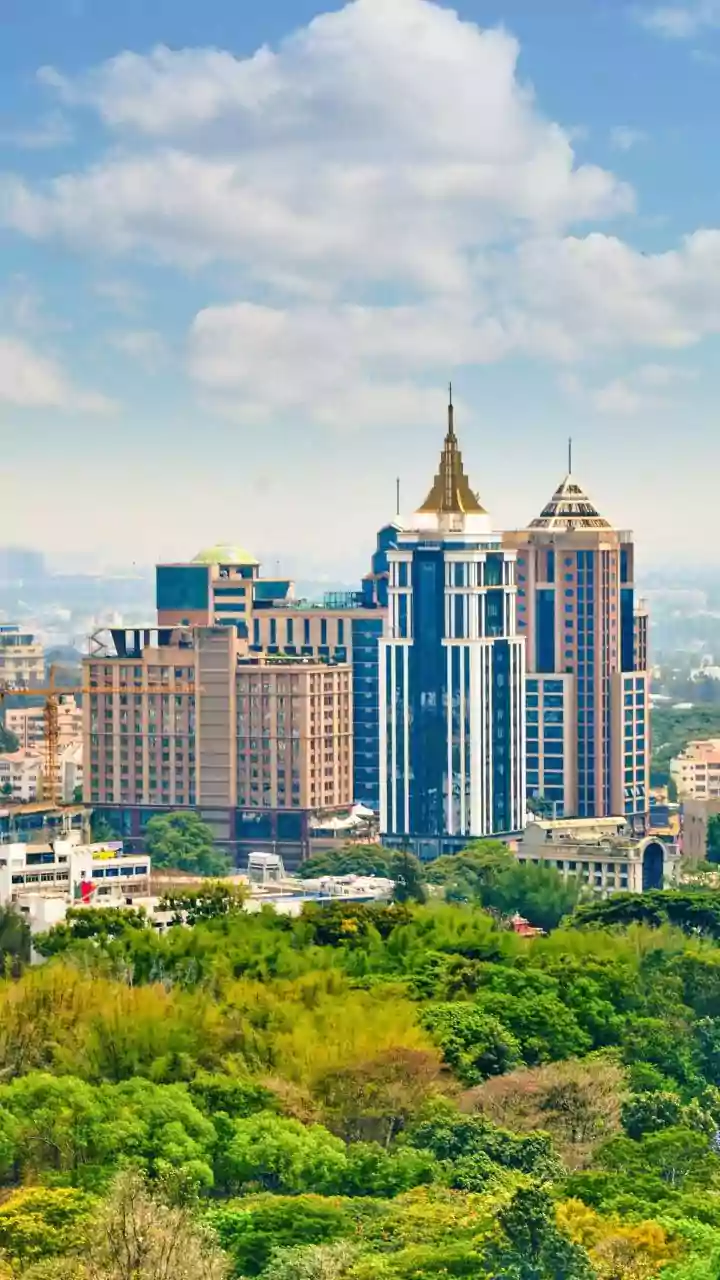
Across India, a quiet green revolution is taking place as cities reclaim and revive neglected spaces. In Delhi, a network of seven biodiversity parks has transformed thousands of acres of once-barren or degraded land—including former mining pits and dumping grounds—into thriving ecosystems. The Aravalli and Yamuna Biodiversity Parks, for example, are now lush forests that serve as green lungs for the city, popular spots for walkers, and educational hubs. Similarly, cities like Lucknow are restoring historic parks such as Globe Park and Begum Hazrat Mahal Park, upgrading them with modern facilities while preserving their cultural significance. In Kerala and Uttar Pradesh, former landfills have been converted into sports complexes and dense urban forests, demonstrating a clear commitment to turning wasteland into wellness spaces for the community.