







The Annual Pothole Pandemic
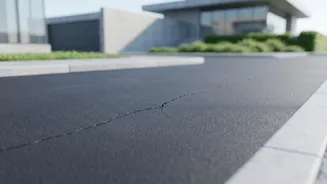
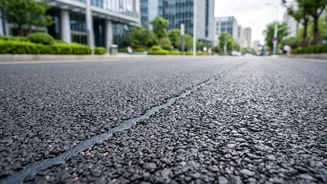
Every year, as the rains lash down, Indian roads begin to crumble. What starts as a small crack, weakened by water seepage and stressed by traffic, quickly deteriorates into a bone-jarring pothole. This annual cycle is more than an inconvenience; it leads
to vehicle damage, traffic congestion, and tragic accidents. In 2022 alone, potholes were responsible for nearly 4,500 accidents and over 1,800 fatalities on national highways. The traditional solution involves constant, costly, and disruptive patchwork repairs that often provide only a temporary fix before the next downpour. This reactive approach puts a massive strain on municipal and national budgets, making a proactive solution highly desirable.
What is Self-Repairing Asphalt?
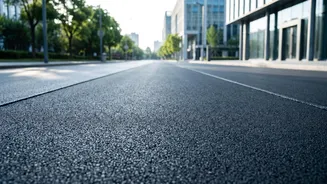
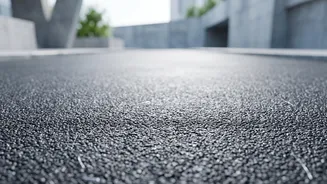
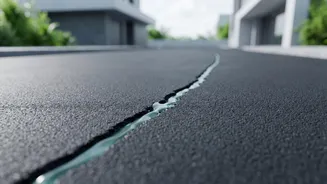
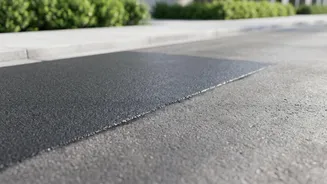
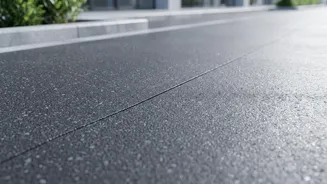
Imagine a road that can automatically mend its own cracks before they become problems. This is the core idea behind self-repairing or self-healing asphalt. It's not magic, but advanced material science. Standard asphalt is a mix of gravel and sand held together by bitumen, a sticky petroleum product. Over time, bitumen ages and becomes brittle, leading to cracks. Self-healing asphalt enhances this traditional mix with special additives that allow it to repair these micro-cracks autonomously, significantly extending the road's lifespan and structural integrity. The National Highways Authority of India (NHAI) has confirmed it is exploring this technology as a potential long-term solution to the country's pothole woes.
The Science of Healing Roads
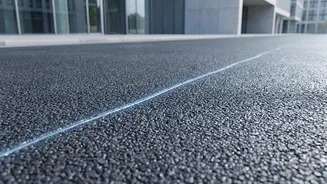
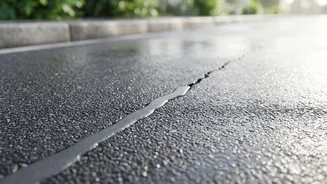
There are two primary methods for making asphalt heal itself. The first involves embedding tiny steel fibres or wool into the asphalt mix. When micro-cracks appear, a special induction heating vehicle passes over the surface. This process generates a magnetic field that heats the steel fibres, which in turn melt the surrounding bitumen. The softened bitumen flows into the cracks, sealing them and effectively resetting the pavement's surface as it cools. The second method uses microcapsules filled with a rejuvenating agent, often an oil. When a crack forms, it breaks open these capsules, releasing the oil. This oil softens the aged, brittle bitumen around the crack, allowing it to fuse back together and restore its flexibility.
Understanding 'Eco-Binders'
The 'eco' in eco-binders refers to the use of sustainable, renewable, or recycled materials to replace some or all of the traditional petroleum-based bitumen. Instead of relying solely on crude oil, these binders can be derived from a variety of sources, including plant-based materials like vegetable oils, agricultural waste such as lignin, algae, or even biopolymers extracted from organic sludge. For example, some self-healing technologies use capsules filled with recycled oils from plants. By incorporating these bio-binders, road construction can reduce its carbon footprint, lessen its dependence on fossil fuels, and contribute to a circular economy by turning waste products into valuable resources.
The Road Ahead for India
While the technology is promising, its widespread adoption in India faces hurdles. The initial construction cost for self-healing asphalt is estimated to be about 25% higher than for conventional roads. However, this is expected to be offset by a much longer lifespan—potentially double that of regular asphalt—and significantly lower maintenance costs over time. The NHAI is currently conducting a cost-benefit analysis before greenlighting pilot projects. Research institutions like the Central Road Research Institute (CRRI) and IIT-Madras are already experimenting with formulas suited for India's tropical climate and heavy traffic loads. If successful, this technology could align perfectly with national missions like Bharatmala and Gati Shakti, which aim to build not just more roads, but smarter and more resilient ones.