





The Persistent Threat to Livelihoods
Across India, agriculture is more than just an industry; it's a way of life for a majority of the population. Yet, this livelihood is perpetually under threat. The United Nations estimates that between 20% and 40% of global crop yields are lost each year
to pests and plant diseases. For an Indian farmer, this is not just a statistic. It can mean the difference between a profitable season and crippling debt. A sudden blight, a fungal outbreak, or an insect infestation can devastate fields of cotton, wheat, or tomatoes, undoing months of hard work in a matter of days. Traditionally, identifying the exact problem required a visit from a government extension officer or a seasoned expert, a resource stretched thin across vast rural landscapes. This information gap often leads to delayed or incorrect treatments, wasting precious money on the wrong pesticides and ultimately failing to save the crop.
An Expert in Every Farmer's Pocket
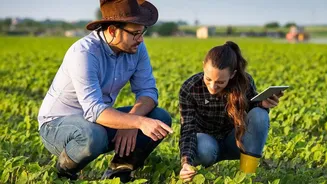
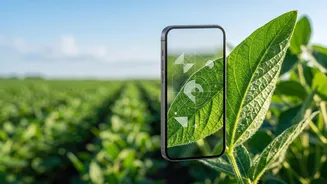
The game-changer is the fusion of artificial intelligence with the ubiquitous smartphone. A new generation of agritech startups and research institutions has developed applications that turn a phone’s camera into a powerful diagnostic tool. Farmers can now simply take a photo of an affected leaf or stem, and an AI-powered app analyzes it within seconds. Using vast image databases of plant diseases, the AI identifies the likely culprit—be it a nutrient deficiency, a fungal infection, or pest damage—and often suggests a course of action. This technology, sometimes called 'small AI', is designed to be affordable, work in areas with limited connectivity, and provide advice in local languages, making it a practical tool for millions.
Success Stories from the Fields of Maharashtra
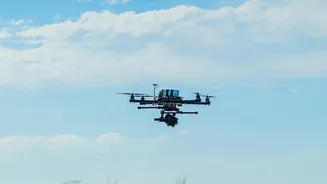
In Maharashtra, these innovations are already making a tangible impact. The state's MahaAgri-AI policy has led to initiatives like MahaVISTAAR, a generative AI chatbot that farmers can interact with via text or voice in Marathi. This tool provides immediate answers on everything from pest management to expected market prices, drawing information from trusted agricultural research bodies. The demand is clear: the app saw over three million downloads in its first few months. Startups headquartered in the state are also key players. Mumbai-based Salam Kisan uses AI and drone technology, while Pune-based AgroStar serves over 5 million farmers with its advisory platform and input marketplace, showing strong adoption across the region. Apps like Krishi AI are specifically tailored for Maharashtra, offering disease diagnosis from photos alongside the latest mandi prices.
Punjab's Tech-Driven Agricultural Push
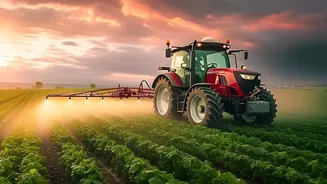
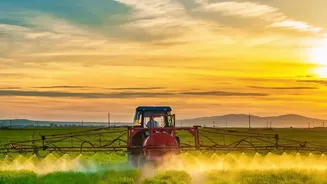
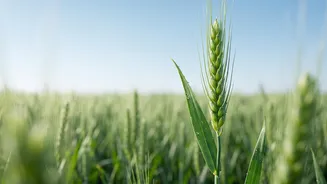
Punjab, the country's granary, is also embracing this technological shift to protect its vital wheat and rice crops. Chandigarh-based AgNext Technologies has developed AI and sensor-based solutions for quality assessment, a critical part of the agricultural supply chain. Research shows that the use of predictive analytics in Punjab has helped reduce losses from wheat rust by as much as 15%. By using AI-powered tools to monitor crop health in real-time, farmers can move from reactive spraying to precise, preventive interventions. This not only saves the crop but also reduces the overuse of fertilisers and pesticides, cutting costs and promoting more sustainable farming practices.
The Road Ahead for AgriTech
While the potential is immense, the path to universal adoption has its challenges. Ensuring the accuracy of AI models requires continuous updates with new data on evolving pests and diseases. Digital literacy and consistent internet access in remote areas also remain significant hurdles. However, the momentum is undeniable. Companies like Plantix, which has a massive user base in India, and platforms like CropIn are digitizing millions of acres of farmland. The World Bank is actively supporting these initiatives, recognizing their power to transform agriculture for smallholders. These tools are more than just apps; they represent a fundamental shift, empowering farmers with the data-driven knowledge once reserved for scientists in a lab. They are bridging a critical information gap and building resilience into the very foundation of India's food security.