



The Allure of Treetop Living
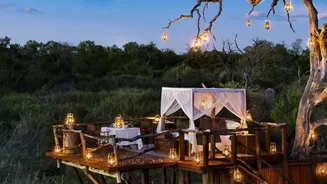
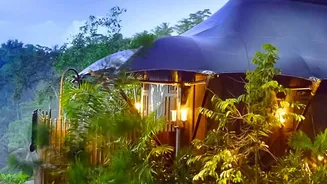
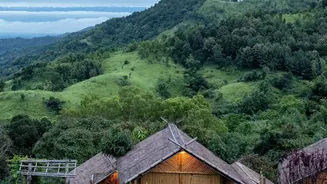
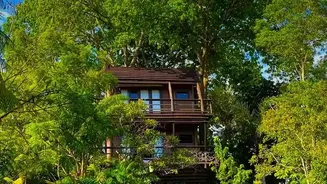
Imagine waking up to the symphony of the rainforest, surrounded by a canopy of green, with morning mist rolling through the valleys below. This is the daily reality at Wayanad's treehouse resorts. Perched high above the ground, these structures offer
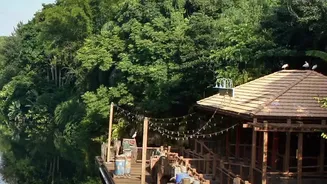
an unparalleled connection to nature. They are intentionally designed to immerse guests in the environment, replacing the noise of city traffic with the sounds of birds and insects. Establishments like Vythiri Resort offer stays up to 90 feet above the forest floor, providing a literal bird's-eye view of the region's rich biodiversity. This unique perspective allows travellers to escape the hustle of daily life and reconnect with the natural world in a profound way, attracting honeymooners, families, and solo adventurers alike who seek tranquility and a touch of adventure.
Bamboo: Nature’s Innovative Building Block
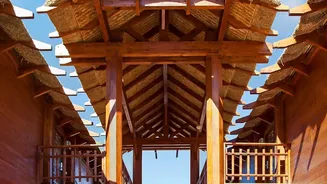
The true innovation of these escapes lies in their primary building material: bamboo. Far from a rustic choice, bamboo is an architectural powerhouse. It boasts a tensile strength comparable to steel and is incredibly flexible, allowing for creative and organic designs. More importantly, it is a champion of sustainability. Bamboo is technically a grass that grows exceptionally fast, with some varieties maturing for harvest in just three to five years, compared to decades for traditional hardwoods. It regenerates from its own root system, preventing soil erosion, and requires minimal water, pesticides, or fertilizers. Furthermore, bamboo sequesters more carbon dioxide and produces up to 35% more oxygen than an equivalent stand of trees, making it a key material in the move toward carbon-negative construction. By using locally sourced bamboo, resorts in Wayanad reduce their carbon footprint from the ground up.
More Than Just a Structure
Leading green resorts in Wayanad prove that sustainability extends far beyond construction materials. Their operational philosophy is a masterclass in eco-conscious hospitality. For instance, at Tranquil Resort, set within a 400-acre plantation, over 95% of hot water is generated using biomass boilers fired by fallen wood from the estate, and kitchen waste is converted into biogas for cooking. Drinking water is often sourced from natural springs and filtered on-site, eliminating the need for plastic bottles. Many resorts prioritize farm-to-table dining, sourcing most of their food from their own organic gardens or from farms within a 10-kilometre radius. These practices are part of a holistic approach that minimizes waste, conserves water and energy, and ensures that luxury and comfort do not come at the planet's expense.
Weaving a Stronger Community
True sustainable tourism also has a crucial social component, a principle deeply embedded in Wayanad's approach. Kerala's Responsible Tourism (RT) Mission, which began its work in Wayanad in 2008, focuses on ensuring that the economic benefits of tourism are shared with local people. Many eco-resorts actively support this mission by employing local staff, engaging local artisans for construction and decor, and offering guests authentic cultural experiences. Projects like the Uravu Mountain Grove, located near Thrikkaipetta Bamboo Village, are designed specifically to create sustainable ventures for the village community. These initiatives allow tourists to participate in activities like craft-making, cooking classes, and guided village walks, fostering a more meaningful connection with the destination and its people. This model ensures that as tourism grows, the host community grows with it, preserving its cultural heritage and improving livelihoods.