


The Reality Behind the Scenery
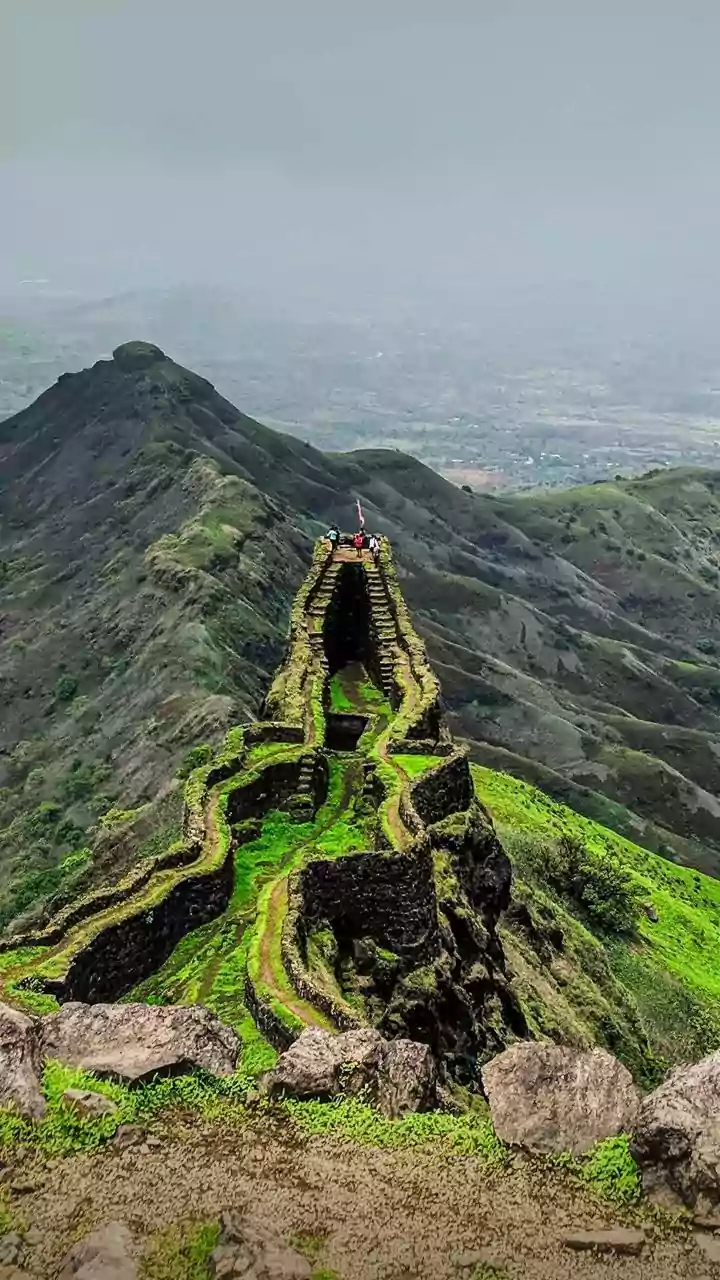
The allure of misty mountains during the monsoon is powerful, but the reality on the ground can be treacherous. Heavy rainfall saturates the soil on steep slopes, dramatically increasing the risk of landslides that can block or even sweep away roads.
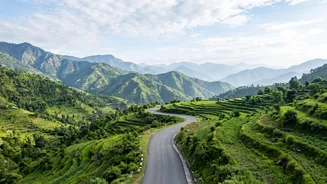
Regions in Himachal Pradesh, Uttarakhand, and the Western Ghats are particularly vulnerable. Flash floods can turn gentle streams into raging torrents, making crossings impossible, while persistent fog can reduce visibility to just a few meters, creating hazardous driving and trekking conditions. What appears as a romantic downpour from a hotel window is a serious logistical challenge on the road.
Decoding the Dangers of Driving
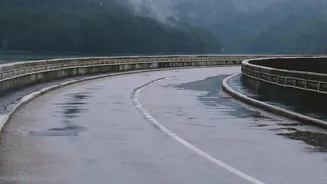
Driving in the hills during rain is fundamentally different from driving in the plains. Wet mountain roads are notoriously slippery, and the risk of hydroplaning is high. Sharp curves and steep gradients demand extra caution. A common mistake is to overuse brakes on descents, which can cause them to overheat and fail. Instead, drivers should use lower gears to let the engine control the vehicle's speed. It's also critical to check weather forecasts and road status before you start your journey. Authorities often close roads prone to landslides during heavy rain alerts. Always hire experienced local drivers if you are unfamiliar with the terrain, as they are skilled at navigating treacherous monsoon conditions.
Trekking: A Different Set of Risks
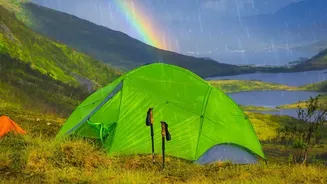
For trekkers, the monsoon presents a unique set of challenges. Trails become muddy and extremely slippery, increasing the chances of falls and serious injuries. What might be an easy path in dry weather can become a hazardous slog. The real dangers, however, are more specific: swollen streams that are unsafe to cross, flash floods funneling through narrow gullies, and slippery rock faces that become treacherous. Furthermore, persistent rain can lead to wet gear, which is not only uncomfortable but can also increase the risk of hypothermia. Leech infestations are also common in forested areas. Some popular high-altitude treks, like Hampta Pass in Himachal and Roopkund in Uttarakhand, become particularly hazardous and are best avoided during peak monsoon months.
Your Monsoon Travel Safety Plan
Preparation is everything. Before you leave, check official weather advisories from sources like the India Meteorological Department (IMD) and local road closure updates. Build flexibility into your itinerary with buffer days in case of unexpected delays. When packing, prioritize function over fashion. Opt for quick-drying synthetic clothing and avoid cotton, which retains moisture. A reliable waterproof jacket, a rain cover for your backpack, and sturdy waterproof shoes with excellent grip are non-negotiable. For your electronics, use waterproof dry bags or zip-lock pouches. Also carry a basic first-aid kit, insect repellent, and a powerful flashlight or headlamp.
When to Say No: The Smartest Move
The most important safety tip is knowing when to cancel or postpone your plans. While the 2026 monsoon is forecast to be below normal, this doesn't eliminate the risk of intense, localized cloudbursts that can trigger disasters. If authorities issue red or orange alerts for your destination, or if you hear reports of significant landslides and road blockages, it is wisest to stay put or change your plans. No scenic view is worth risking your life. Choosing a safer, more accessible destination in a region with better infrastructure can provide a similar monsoon experience with far lower risk. Remember that mountain weather is unpredictable and can change rapidly; respecting its power is the first rule of safe travel.