








A Shift in the Flight Plan
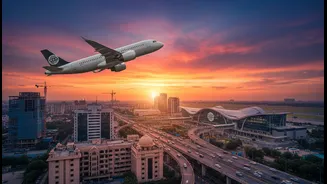
India's aviation landscape is undergoing a significant transformation. The long-established model, where a handful of Tier-1 city airports like Delhi, Mumbai, and Bengaluru served as the primary international hubs, is giving way to a more distributed
network. This decentralisation is not just about adding more airports; it's a strategic shift that is unlocking new economic corridors and making global travel more accessible for millions. The rise of new international airports and the expansion of existing regional ones are creating alternative gateways, reducing congestion at overburdened metro terminals and providing airlines with access to untapped markets. This change is driven by a combination of government policy, burgeoning local economies, and the aspirations of a growing middle class in India's heartland.
Navi Mumbai Finally Takes Off
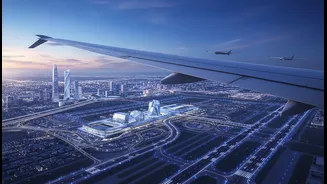
The most anticipated development in this shift is the Navi Mumbai International Airport (NMIA). After years of planning and construction, the airport began domestic operations in late 2025 and is set to launch its first international passenger flight on July 15, 2026. Air India Express will operate the inaugural service to Abu Dhabi, a key route for the large population in the Mumbai Metropolitan Region connected to the Gulf. Developed to supplement the capacity of the city's congested Chhatrapati Shivaji Maharaj International Airport (CSMIA), NMIA is more than just a second airport. It is positioned as a major economic catalyst, expected to transform Navi Mumbai into a crucial business and logistics hub, driving growth in real estate, tourism, and employment across the region. Airlines like IndiGo are also expected to commence international services, signalling strong industry confidence.
The Indore Model of Success
While Navi Mumbai represents a brand-new gateway, Indore's Devi Ahilya Bai Holkar Airport showcases how an existing regional airport can evolve into an international hub. After a brief suspension of overseas flights, international services from Indore are resuming on July 15, 2026, with a new Air India Express flight to Abu Dhabi. This service replaces a previous connection to Sharjah and is seen as a strategic upgrade. Abu Dhabi's Zayed International Airport is a major global transit hub, offering seamless connections to Europe and North America without needing a layover in a crowded Indian metro. This direct link is a significant boon for business professionals, students, and the wider diaspora across Madhya Pradesh, reflecting the surging demand from Tier-2 cities. Air India Express has noted this trend, expanding its footprint across Madhya Pradesh with more connections.
The Airline and Passenger Equation
For airlines, the move to Tier-2 cities is a calculated business decision. Operating from non-metro airports often means lower landing fees and operational costs. More importantly, it provides direct access to a vast and growing market of travellers who previously had to undertake long domestic journeys just to catch an international flight. These new routes cater to a diverse mix of passengers: business travellers from thriving local industries, students heading to international universities, tourists, and a large segment of people visiting friends and relatives abroad. Government initiatives like the UDAN (Ude Desh ka Aam Naagrik) scheme have also played a crucial role in improving regional connectivity, creating a feeder network that supports the viability of these new international routes.
Beyond the Airport Terminal
The impact of a new international airport extends far beyond the runway. These developments act as powerful engines for regional economic growth. The enhanced global connectivity attracts investment, boosts local industries like manufacturing and IT, and provides a massive fillip to the hospitality sector. As these airports become multimodal logistics hubs, integrating air, road, and rail, they create efficient supply chains that allow local businesses to compete on a global scale. For cities like Indore and the areas surrounding Navi Mumbai, the airport is not just a piece of transport infrastructure but a cornerstone of future economic development and urban planning, promising to reshape the region's fortunes for decades to come.