





More Than Just Softening
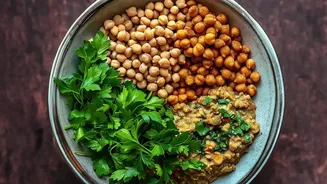
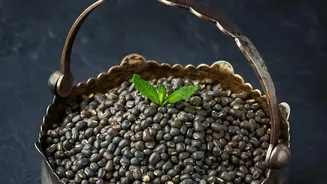
Anyone who has made dal knows that soaking cuts down on cooking time. Soaked lentils cook faster and more evenly, resulting in a desirable soft texture rather than a mix of mushy and hard grains. But the benefits go far deeper than simple convenience
and texture. Soaking is a crucial first step that initiates a fundamental change in the pulse itself. It's an act of preparation that mimics the natural germination process, beginning to awaken the dormant seed and making its nutritional treasures more accessible to our bodies. Think of it as waking up the food before you cook it, priming it to deliver its full potential in terms of both health and taste.
Neutralising Nature's Defences
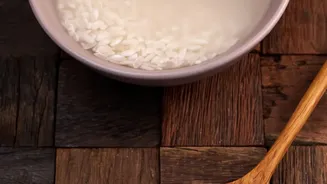
Pulses, like many grains and seeds, contain compounds known as 'anti-nutrients'. These substances, which include phytic acid, lectins, and tannins, are part of the plant's natural defence system. Phytic acid, for instance, can bind to minerals like iron, zinc, and calcium in your digestive tract, preventing your body from absorbing them effectively. Lectins can cause digestive discomfort and irritation for some people. The process of soaking helps to significantly reduce these anti-nutrients. Soaking activates enzymes like phytase within the pulses, which work to break down the phytic acid. As the lentils soak, many of these undesirable compounds leach out into the water, which is why it is almost always recommended to discard the soaking water and cook the pulses in a fresh batch.
Unlocking Maximum Nutrition and Digestibility
By neutralizing anti-nutrients, soaking unlocks the door to greater nutritional benefit. With less phytic acid present, your body can absorb more of the essential minerals that pulses are rich in. Beyond that, soaking starts to break down the complex sugars (oligosaccharides) that are responsible for causing bloating and gas, a common complaint associated with eating legumes. This makes the dal much easier on the digestive system. The process kick-starts enzymes that break down complex starches, essentially pre-digesting the pulse and making it gentler on your gut.
The Final Transformation: Thorough Cooking
If soaking is the preparation, thorough cooking is the final, essential transformation. The application of heat, especially through methods like boiling or pressure cooking, continues the work that soaking started. Heat further degrades anti-nutrients like lectins, which can be harmful if consumed in large amounts from undercooked beans. Pressure cooking is particularly effective because the high temperature and speed preserve many nutrients while ensuring the pulses are completely and safely cooked. Cooking also denatures the proteins, changing their structure in a way that makes them easier for our digestive enzymes to process.
The Pinnacle of Flavour and Texture
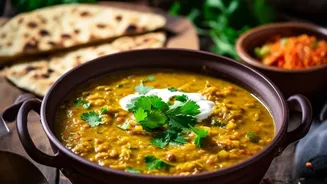
Finally, all these steps culminate in a superior culinary experience. Soaking plumps up the lentils, allowing them to absorb water and, later, the spices and seasonings of the dish more deeply. Thorough cooking breaks down the cell walls, releasing starches that contribute to the creamy, comforting texture that is the hallmark of a good dal. This meticulous process ensures that the final dish is not only safe and highly nutritious but also deeply flavourful. The spices don't just sit on the surface; they become one with the lentil, creating the rich, integrated taste that makes dal a beloved staple across India.