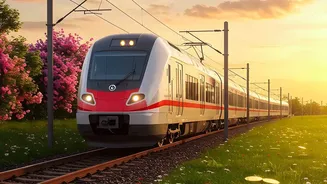




Indian Railways is changing how you dine at 160 km/h. IRCTC has begun a trial to serve a shorter, more focused menu on three Vande Bharat sleeper trains, a move driven by passenger feedback and a push to improve food quality and reduce waste.
The Rationale: Quality Over Quantity
The core
reason behind this significant shift is the long-standing issue of passenger complaints regarding the quality, hygiene, and consistency of meals served on trains. Reports of cold food, stale items, and even insects found in meals have prompted the railway ministry to rethink its catering strategy. By reducing the number of dishes in a single meal from as many as ten down to just four, IRCTC aims to simplify the entire food handling process. Officials believe that a more compact menu will make it easier to monitor food preparation, maintain freshness, and ensure that every passenger receives a high-quality meal, much like the service standard on airlines. This trial is a direct response to customer feedback and a broader effort to tackle food wastage, which has been a persistent problem on services where elaborate meals are not always wanted by passengers on shorter journeys.
Which Trains Are Part of the Trial?
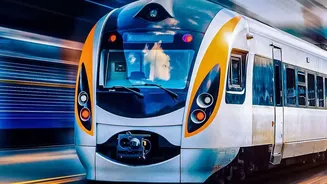
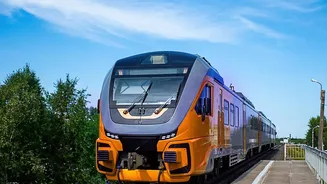
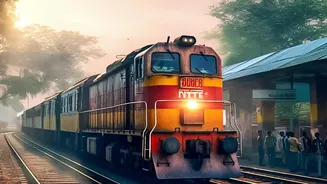
This pilot project, which began on November 1, 2026, is currently active on three specific Vande Bharat sleeper routes. These long-distance services were chosen to test the new 'less is more' approach to onboard catering. The trains included in this initial phase are: New Delhi to Varanasi Junction, Mumbai to Bengaluru, and Howrah to Kamakhya (Guwahati). IRCTC is actively collecting passenger feedback on these routes to assess the success of the initiative. The results from this trial period will determine whether this compact menu model will be expanded to other Vande Bharat services or even other premium trains within the Indian Railways network in the future.
What’s On the New, Shorter Menu?
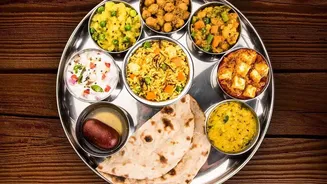
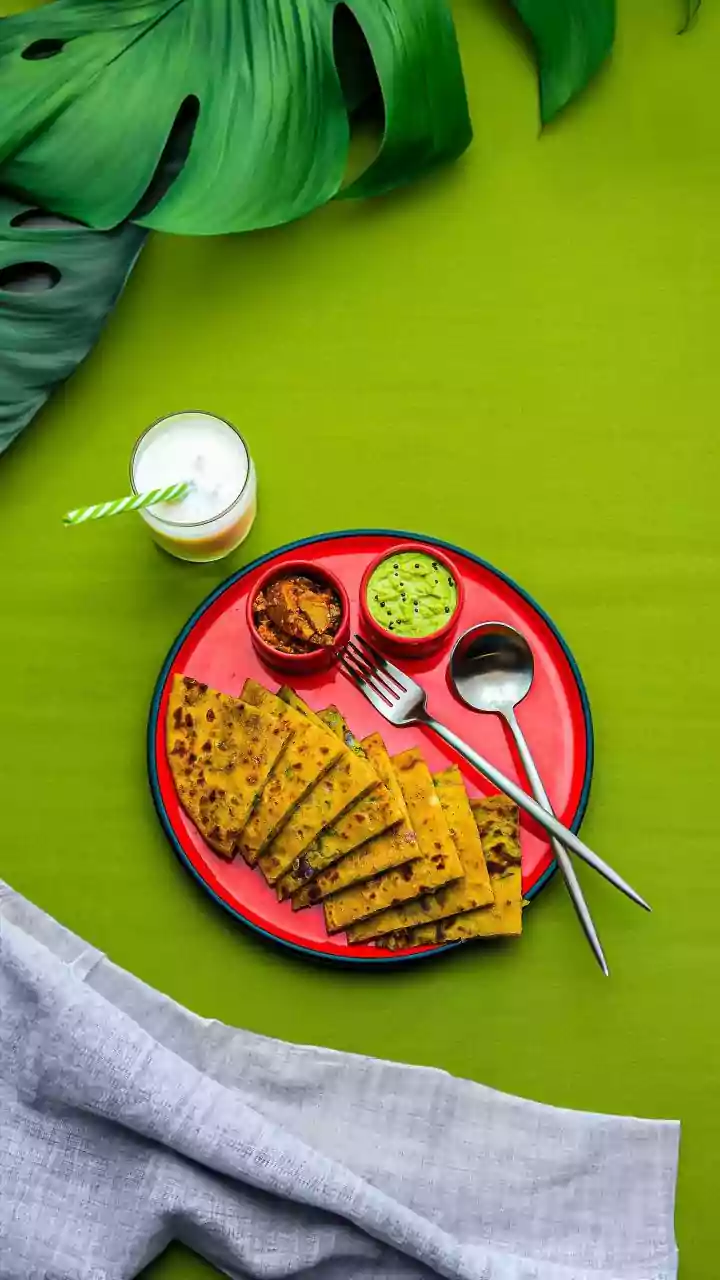
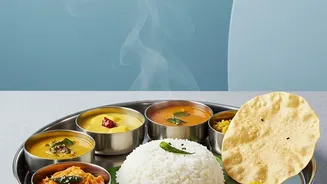
Passengers on these trial routes will notice a significant change in their meal trays. For main meals like lunch and dinner, the focus is on core components: chapati, rice, dal, and a single main vegetable or non-vegetarian (chicken) dish. Items that were previously standard, such as a separate dry vegetable, curd, salad, pickles, and a dessert, have been removed from the tray. Similarly, the breakfast service has been streamlined. Options like soup, omelettes, sandwiches, and buttermilk are no longer part of the standard offering. Instead, passengers will be served a choice of simpler, popular dishes like idli-vada with sambar, poha, or upma. This change also affects the overall weight of the meal, which has been reduced from about 700-750 grams to a more manageable 450-500 grams, though IRCTC states the portion size of the main items remains the same.
Improving the Supply Chain
Beyond just changing the menu, IRCTC is also revamping its supply chain to ensure better quality. For this pilot, the catering authority has partnered with established hospitality groups and large-scale cloud kitchens instead of relying solely on traditional railway vendors. For instance, TajSATS is handling meals for the Mumbai-Bengaluru route, the Mayfair Group for the Howrah-Kamakhya line, and the Sarovar Portico Group for the New Delhi-Varanasi service. This move is intended to bring professional, high-volume food production standards to train catering, separating the meal production from the onboard service to improve hygiene and consistency from kitchen to cabin. This model is seen as a crucial step towards creating a more reliable and satisfying dining experience for passengers.