





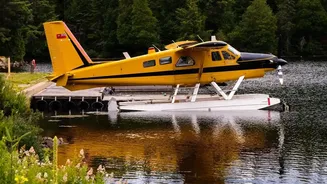
A New Chapter for Indian Travel
A fresh push from the government is finally making seaplane travel a scalable reality in India. Under the regional connectivity scheme UDAN, guidelines have been simplified, making it easier for operators to launch services on the country's vast network
of rivers, lakes, and coastal waters. This has paved the way for a new generation of aviation. A key player in this space, SkyHop Aviation, received its commercial license in April 2026, becoming India's first dedicated seaplane airline and signaling a pivotal moment for regional tourism. This move, along with plans from other carriers, is set to unlock access to dozens of destinations previously hampered by a lack of conventional airport infrastructure. The focus is on using India's natural waterways as virtual runways, connecting remote tourist hubs and cutting down travel times dramatically.
The Himalayan Splashdown
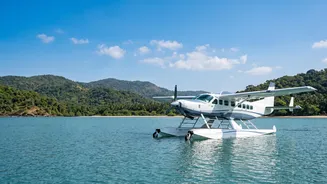
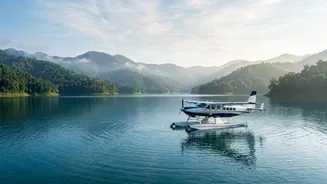
The most dramatic demonstration of this new potential unfolded in Uttarakhand. In April 2026, successful trials saw a 19-seater seaplane land gracefully on the massive Tehri Lake and the Ganga Barrage in Rishikesh. For travellers, this is a game-changer. The drive from Dehradun to the adventure sports hub of Tehri Lake, which typically takes over four exhausting hours, can now be covered in a breathtaking 25-minute flight. Operated by SkyHop, these routes are designed to boost tourism for both leisure and pilgrimage, making destinations more accessible. Following the success at Tehri, an emerald reservoir spanning 42 square kilometres, plans are already in motion to expand the network to other water bodies in the state, including Nanak Sagar and Kalagarh Lake, positioning Uttarakhand as a premier seaplane destination.
Connecting Coasts and Islands
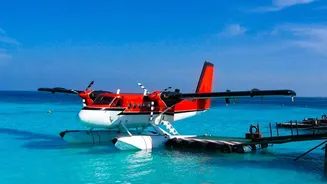
The seaplane initiative extends far beyond the Himalayas. In Kerala, the government has approved an ambitious plan for 48 new routes, set to connect the state's iconic backwaters and inland lakes like Vembanad and Ashtamudi with its international airports. This will create a seamless travel experience for tourists wanting to explore 'God's Own Country'. Similarly, the pristine archipelago of Lakshadweep is a key focus. New services will connect the mainland, likely from Kochi, to several islands, drastically improving accessibility to these remote tropical paradises. This is particularly significant for Lakshadweep, where limited infrastructure has often made travel challenging. The ability to land directly on water opens up new opportunities for sustainable tourism and local economic growth.
More Than Just a Flight
The appeal of seaplane travel lies not just in its efficiency but in the experience itself. Unlike commercial jets that cruise at high altitudes, these smaller aircraft fly lower, offering passengers breathtaking, panoramic views of the landscapes below. Whether it's the snow-capped peaks of the Himalayas, the lush greenery of the Western Ghats, or the turquoise lagoons of India's islands, the journey becomes an unforgettable part of the destination. The unique thrill of taking off and landing on water adds a distinct touch of adventure to the trip, transforming a simple commute into a memorable highlight. This experiential aspect is what sets seaplane travel apart, merging transportation with tourism in a completely novel way.
The Future is Amphibious
The current launches are just the beginning. The Ministry of Civil Aviation has also highlighted potential for new routes in the Andaman & Nicobar Islands, Andhra Pradesh, and over Odisha's vast Chilika Lake, suggesting a nationwide vision for water-based connectivity. The industry is also looking ahead. In a forward-thinking move, SkyHop Aviation signed a deal in August 2026 to explore the acquisition of electric amphibious aircraft, with a goal of adding them to its fleet by 2030. This focus on sustainable technology signals a long-term vision where regional connectivity can be achieved with a smaller environmental footprint, ensuring that India's most beautiful and remote destinations remain pristine for generations to come.