





A Golden Tradition
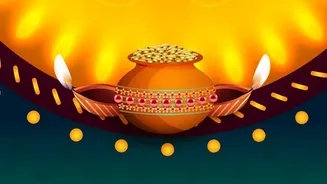
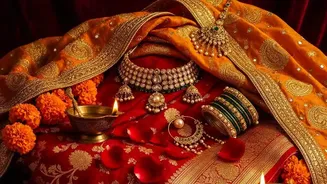
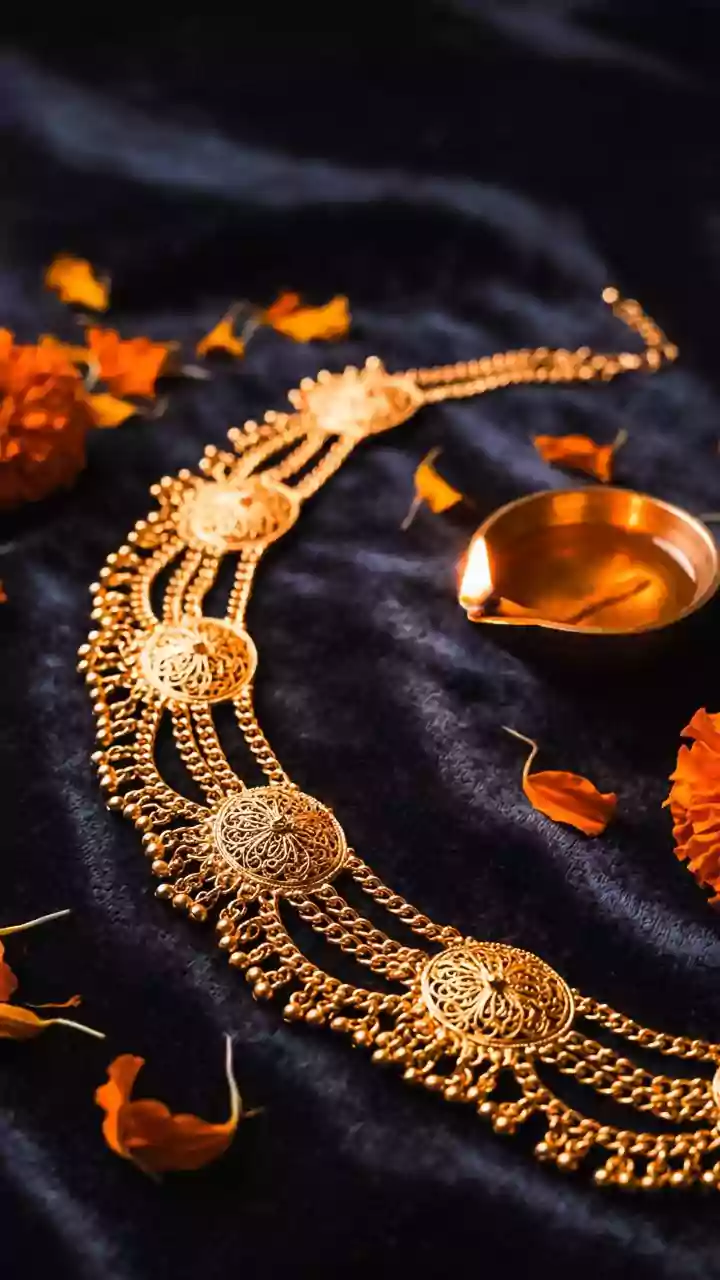
In India, gold is more than just an investment; it's a deeply ingrained part of cultural and religious life. Festivals like Dhanteras, which fell on November 6 this year, are considered highly auspicious for buying precious metals. Families purchase gold to
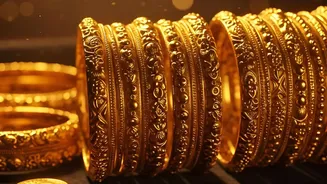
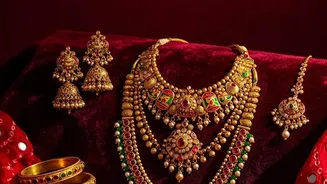
welcome wealth and prosperity, honouring Goddess Lakshmi. This tradition fuels a predictable, yet powerful, surge in demand every year, with jewellers preparing for months in advance. The buying is not just limited to jewellery; gold coins and bars are also popular as a form of savings and investment, often passed down through generations. This cultural significance ensures that gold remains a staple of festive shopping, regardless of market fluctuations.
The Price Was Right
A key driver behind this year's 30% jump in purchase volume was a significant correction in gold prices. After hitting a peak of around ₹1.8 lakh per 10 grams in January 2026, prices fell to approximately ₹1.42 lakh during the festive period. This dip of nearly 21% proved to be the perfect incentive for consumers who had been waiting on the sidelines. Many had postponed purchases earlier in the year due to high prices and a government appeal to curb buying. The lower prices, combined with the onset of the wedding season which traditionally follows Diwali, created a perfect storm of pent-up and seasonal demand.
Shifting Consumer Habits
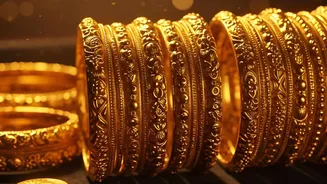
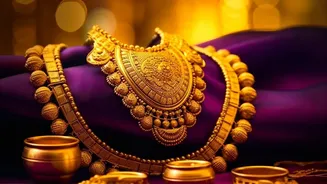
While the overall value of sales was high, jewellers noted a change in buying patterns. Affordability, even with the price dip, remained a concern, with gold prices still considerably higher than the previous year. This led many consumers to adapt. Instead of heavy necklace sets, buyers opted for lightweight jewellery, such as 12-13 gram designs, and smaller items like 1-5 gram coins. There was also strong demand for 18-carat and 14-carat pieces, particularly among younger, urban buyers. Furthermore, old-gold exchange schemes played a major role, with some retailers reporting that these transactions accounted for over half of their sales. This allowed customers to upgrade their jewellery or make new purchases while managing out-of-pocket expenses.
An Economic Bellwether?
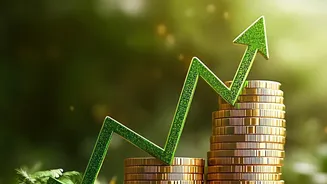
The robust festive sales are being viewed by many as a positive signal for the Indian economy. The willingness of consumers to spend on a high-value item like gold suggests a revival in consumer confidence and healthy cash flow, partly thanks to the timing of the festivals coinciding with the arrival of monthly salaries and bonuses. The sales volume represents a significant turnaround from the first half of the fiscal year, which saw a nearly 50% decline. While some of this is pent-up demand, it also points towards a resilient consumer base. This spending spree, ahead of the long wedding season that extends until March, gives economists and industry experts reason to be optimistic about demand holding firm in the coming months.