


Why Monsoon Is Tough on Digestion
The monsoon season creates a perfect storm for digestive issues. The high humidity and moisture in the air create an ideal environment for harmful bacteria, viruses, and fungi to multiply, both in the environment and on food. This increases the risk of
waterborne and foodborne infections like gastroenteritis, food poisoning, and diarrhoea. Furthermore, according to traditional Ayurvedic principles, the body's digestive fire, or 'Agni', naturally weakens during this season. This can lead to a slower metabolism and feelings of sluggishness, bloating, and indigestion, even after regular meals. The combination of a vulnerable immune system and a sluggish digestive tract makes our gut particularly susceptible to disturbances during the rains.
The Gut-Saving Power of Probiotics
This is where probiotics come in. Probiotics are live, beneficial bacteria and yeasts that are crucial for a healthy digestive system. Think of them as a friendly army residing in your gut, helping to break down food, absorb nutrients, and, most importantly, keep harmful pathogens in check. A healthy gut microbiome—the community of trillions of microorganisms in your digestive tract—is linked to stronger immunity, as a significant portion of the body's immune system is located in the gut. By introducing more of these good bacteria, you can help fortify your body's natural defences, which is especially vital when the risk of infection is higher during the monsoon.
Traditional Pickles: A Probiotic Powerhouse
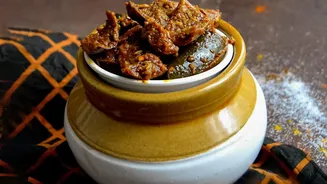
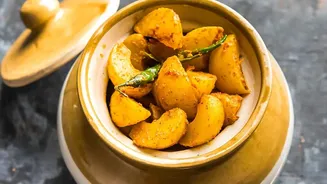
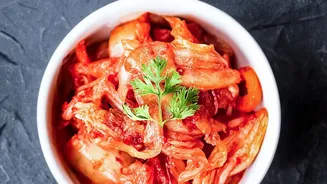
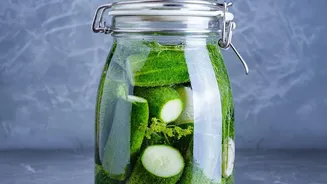
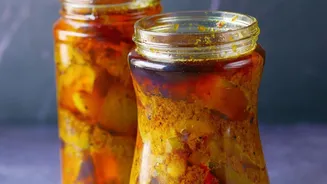
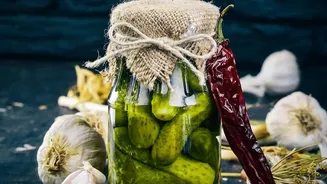
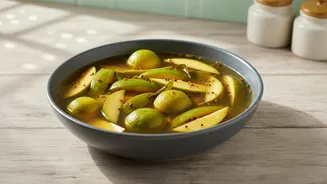
Many of our favourite traditional Indian pickles, or 'achaar', are fantastic natural sources of probiotics. The key lies in their preparation method. Authentic, homemade pickles are often made through natural lacto-fermentation. This process involves preserving vegetables or fruits in salt and sometimes spices, allowing them to ferment over time, often with the help of sunlight. This slow fermentation fosters the growth of beneficial bacteria, such as Lactobacillus, which transform the ingredients into a probiotic-rich food. These pickles not only add a burst of flavour to meals but also deliver a dose of these gut-friendly microbes, aiding digestion and helping to maintain a healthy balance in your gut flora.
Not All Pickles Are Created Equal
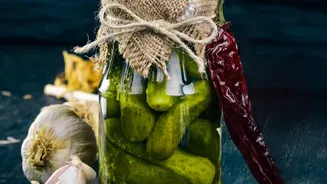
It's important to understand that not every pickle you find offers these probiotic benefits. Most commercially produced pickles available in supermarkets are made using vinegar and are often heat-treated or pasteurised to ensure a long shelf life. While this process preserves the pickle, the vinegar and heat destroy the live, beneficial bacteria. Therefore, these pickles lack the probiotic punch of their traditionally fermented counterparts. To reap the gut-health benefits, look for pickles labelled as "naturally fermented" or, better yet, rely on homemade versions where the fermentation process is controlled, ensuring the live cultures remain intact. Salt-brined pickles are the ones that typically contain probiotics, not the vinegar-based varieties.
A Little Goes a Long Way
While fermented pickles are beneficial, they are also high in salt, so moderation is key. You don't need to eat a large quantity to get the benefits. Simply including a small spoonful of traditional, fermented pickle with your lunch or dinner is enough to introduce beneficial bacteria into your system. Think of it as a flavourful supplement to your meal. The spices commonly used in Indian pickles, such as turmeric, fenugreek, and mustard seeds, also bring their own set of health advantages, including antioxidant and anti-inflammatory properties that further support overall wellness. Pairing a small serving of 'achaar' with simple, easy-to-digest meals like dal-rice or khichdi can be a simple yet effective strategy to support your digestion through the monsoon.