





Why Monsoon Changes The Rules
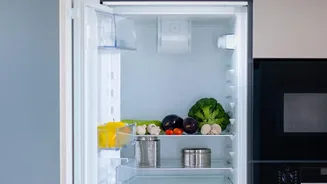
During the rainy season, the air is heavy with moisture. This humidity accelerates the growth of mould and bacteria on food, even in the refrigerator. Every time you open the fridge door, warm, moist air gets in, raising the internal temperature and creating
conditions where microbes can thrive. Food that might last for days in winter can become unsafe within 24 hours. The risk of foodborne illnesses like gastroenteritis increases significantly during this time.
The Golden Rule: Cool and Store Fast
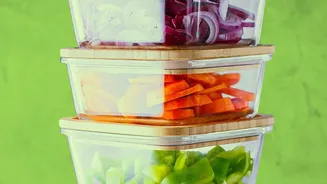
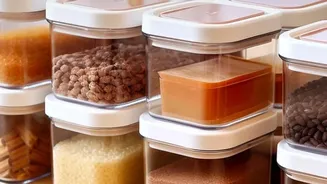
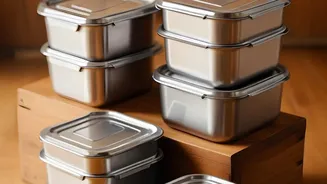
The most critical step is to get your leftovers into the fridge quickly. Cooked food should not be left at room temperature for more than two hours. If it's particularly warm and humid, this window shrinks to just one hour. Leaving food out for longer allows bacteria to multiply to dangerous levels. Before refrigerating, it's best to divide large quantities of food into smaller, shallow containers. This helps the food cool down much faster and more evenly, preventing any part of it from staying in the temperature 'danger zone' (between 4°C and 60°C) where bacteria grow most rapidly. Always use clean, airtight containers to protect food from moisture and cross-contamination.
The Right Way to Reheat
Reheating isn't just about warming your food; it's about killing any bacteria that may have developed during storage. Merely warming the food is not enough. Health authorities like the FSSAI recommend heating food until it is steaming hot throughout, reaching an internal temperature of at least 75°C (165°F). For curries, dals, and soups, bring them to a rolling boil for at least one to two minutes. If using a microwave, stir the food midway through to ensure there are no cold spots where bacteria can survive. Crucially, only reheat the portion you plan to eat. Repeatedly cooling and reheating the same batch of food significantly increases the risk of contamination.
Red Flags: When to Discard Immediately
Your senses are your first line of defence. If a leftover has an off-smell, an unusual taste, or a change in colour or texture, discard it immediately. Look for any signs of mould, which can appear as fuzzy spots. Do not be tempted to just scoop off the mouldy part, as its roots can penetrate deep into the food. Another major red flag is leaving food out overnight. Any perishable food left on the counter for more than a few hours should be thrown away without a second thought. This is especially true for high-risk items like cooked rice, meat, dairy products, and dishes containing coconut. A good rule of thumb for most refrigerated leftovers is to consume them within two to three days. When in doubt, always throw it out. The risk of food poisoning is never worth it.
Special Care for Rice and Dairy
Cooked rice is particularly susceptible to a bacteria called Bacillus cereus, which can produce toxins that are not destroyed by reheating. To store leftover rice safely, cool it as rapidly as possible (within an hour) and refrigerate immediately in an airtight container. It's best to consume it within 24 hours. Dairy products like milk, paneer, and curd, as well as dishes made with them, also spoil very quickly. They should always be stored in the coldest part of the refrigerator and consumed within a day or two. Any sour smell or change in consistency is a clear sign to discard them.